Thanks for your patience during our recent outage at scalar.usc.edu. While Scalar content is loading normally now, saving is still slow, and Scalar's 'additional metadata' features have been disabled, which may interfere with features like timelines and maps that depend on metadata. This also means that saving a page or media item will remove its additional metadata. If this occurs, you can use the 'All versions' link at the bottom of the page to restore the earlier version. We are continuing to troubleshoot, and will provide further updates as needed. Note that this only affects Scalar projects at scalar.usc.edu, and not those hosted elsewhere.
Marquee Survivals: A Multimodal Historiography of Cinema's Recycled Spaces
Main Menu
Introduction
Marquee Survivals: A Multimodal Historiography of Cinema's Recycled Spaces
Introduction, Start
Marquee Survivals: A Multimodal Historiography of Cinema's Recycled Spaces
Histories Concealed
Histories Concealed landing page
Projecting 1943
Sense of Pachuca
Broadway as Background
Splash page for Broadway as Background / Background as Broadway
Photo Essay: Marquee Stories
Intro to photo essay: Marquee Stories
Prototypes
Exploring project prototypes
Portfolio
Ejected Spectators and Inactive Users: Locating Multimodal Historiography In Repurposed Media Spaces
Veronica Paredes
f39d262eb7e9d13906fe972f3e5494dbae1896bc
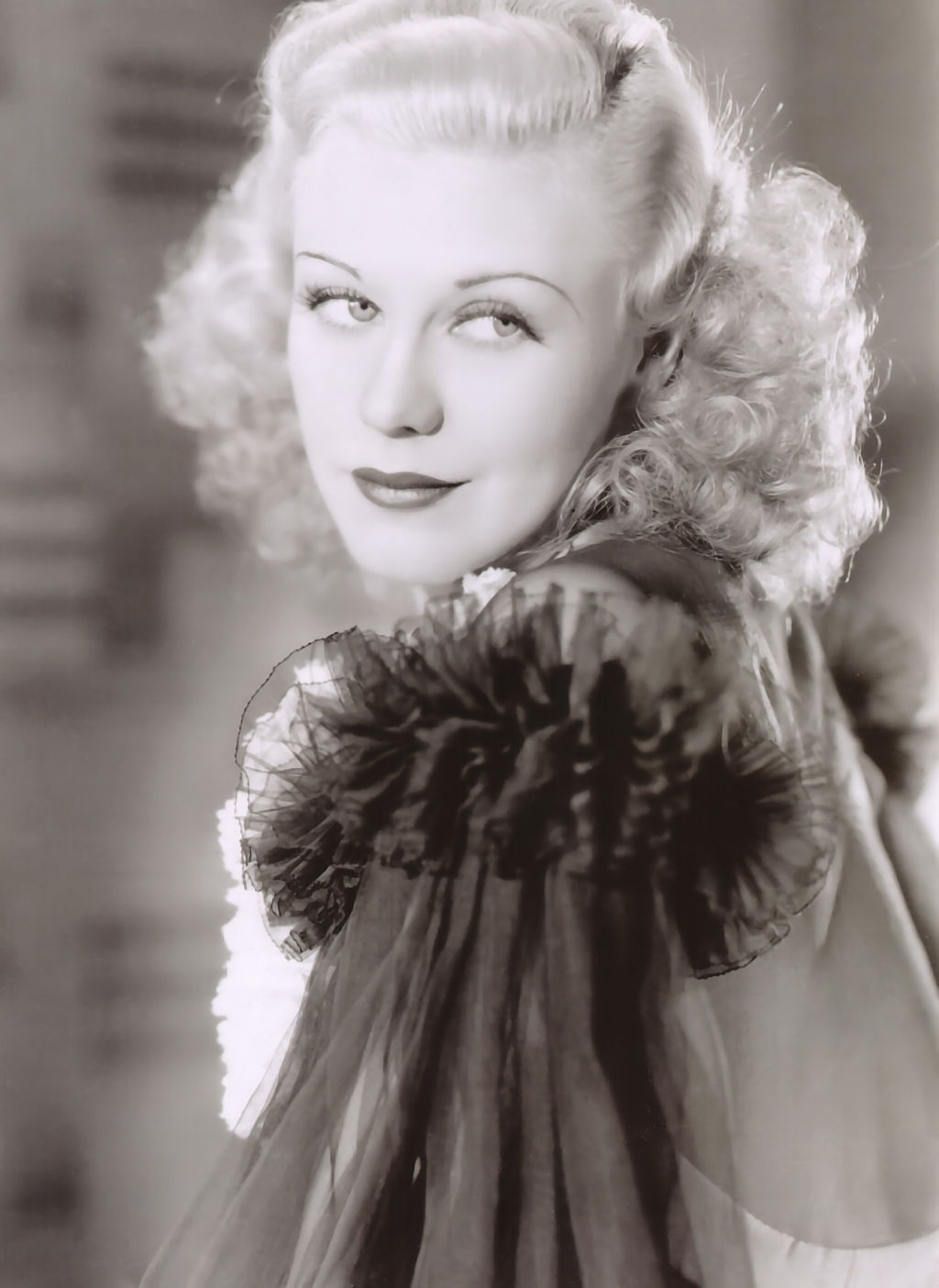
Ginger Rogers publicity photo
1 2015-06-15T08:13:05-07:00 Veronica Paredes f39d262eb7e9d13906fe972f3e5494dbae1896bc 3429 2 A still portrait of actress Ginger Rogers issued by a movie studio in the 1930s. plain 2015-06-15T08:20:44-07:00 Veronica Paredes f39d262eb7e9d13906fe972f3e5494dbae1896bcThis page is referenced by:
-
1
2015-05-28T18:45:47-07:00
Ejected Spectator: Challenging Representations II
9
plain
2015-06-28T14:48:03-07:00
Among the expansive number of sociological and fictional accounts that portray the events of the Zoot Suit Riots from the 1940s and 50s, Alegría’s story stands out not only in its aim to “humanize” the pachuco, but also in formally experimenting with contrasting the “pachuco’s” lived experiences and representations of the pachuco. In her book American Me, Beatrice Griffith uses a similar approach of alternating between the official record captured in newspaper accounts and her own speculative retellings of the events (which were based on interviews conducted as part of her research as a social worker). Published five years after the Zoot Suit Riots, this work predates the publication of Alegría’s short story. Griffith weaves together sociological, fictional, economic and historical accounts to portray the experiences of Mexican Americans during the 1930s and 1940s in Los Angeles. Her narrative alternates between sociological analysis and adaptations of interviews with her research subjects. Theorist and writer Antonio Viego has described the book, and presumably this approach, as both “corny and compelling” (138). Perhaps this is true for Viego’s reframing of Latino studies through Lacanian psychoanalysis, and vice versa – but for its formal experimentation in engaging with this generation’s history and sociological context, it is quite innovative for its time – attempting to preserve aspects of Mexican American youth culture largely dismissed in mainstream accounts.
While Griffith’s project does depict the Zoot Suit Riots in some detail, Alegría’s short story raises questions more pertinent to this study. “¿A qué lado de la cortina?” is unique in how evocatively it conjures the complicated relationship a Mexican American teenager might have with American popular culture in 1943. Alegría describes the centrality of American popular culture in Pancho’s everyday life, from the American war film he watches to his notions of what being Gary Cooper or living in the suburbs must be like, complete with Tarzan stories on the radio and an Oldsmobile waiting in the driveway. Alegría’s portrait of Pancho reveals a network of subjective experiences in the individual and collective violence launched during the riots, but it also demonstrates the conflicting mechanisms of identification and disidentification with Hollywood narratives that mark acts of cinematic spectatorship during this period. As Pancho watches Gary Cooper struggle with his desire for Ginger Rogers on-screen, he is able to nibble on the neck of his own blonde-haired, blue-eyed starlet in Nancy. It is explained that Nancy is drawn to Pancho’s “brown and silky skin,” and while his projection of Ginger Rogers onto Nancy is obvious, the story also reveals how Nancy, as a young girl, played with dolls “dressed as bullfighters, drawn with long lashes.” Both Pancho and Nancy are filled with desires influenced by popular cultural representations. The movie theater is therefore an ideal place to dramatize their desires, dreams, and their sudden transformation into terror.
In Alegría’s story, the scene of entertainment is moved from inside the movie theater outward to the city street and sidewalk. In this story, instead of being cast in a role similar to the one Gary Cooper plays in the film he and Nancy watch on their date, Pancho is cast as the villain who offends wartime jingoism. Within this narrative, spread across the newspaper front pages in 1943, racist logics prevail and Pancho becomes an object of ridicule and abuse.“Spectators sat on the rooftops of automobiles and on stopped streetcars. Like joyous exhalations, photographic flashes erupted from the middle of a crowd…The crowd let out a howl of satisfaction. Old women now rubbed shoulders with the sailors and tried to get to the first row, when the undergarments began to be destroyed.”