Thanks for your patience during our recent outage at scalar.usc.edu. While Scalar content is loading normally now, saving is still slow, and Scalar's 'additional metadata' features have been disabled, which may interfere with features like timelines and maps that depend on metadata. This also means that saving a page or media item will remove its additional metadata. If this occurs, you can use the 'All versions' link at the bottom of the page to restore the earlier version. We are continuing to troubleshoot, and will provide further updates as needed. Note that this only affects Scalar projects at scalar.usc.edu, and not those hosted elsewhere.
Marquee Survivals: A Multimodal Historiography of Cinema's Recycled SpacesMain MenuIntroductionMarquee Survivals: A Multimodal Historiography of Cinema's Recycled SpacesIntroduction, StartMarquee Survivals: A Multimodal Historiography of Cinema's Recycled SpacesHistories ConcealedHistories Concealed landing pageProjecting 1943Sense of PachucaBroadway as BackgroundSplash page for Broadway as Background / Background as BroadwayPhoto Essay: Marquee StoriesIntro to photo essay: Marquee StoriesPrototypesExploring project prototypesPortfolioEjected Spectators and Inactive Users: Locating Multimodal Historiography In Repurposed Media SpacesVeronica Paredesf39d262eb7e9d13906fe972f3e5494dbae1896bc
La ley inmigratoria Simpson-Rodin es discriminatoria
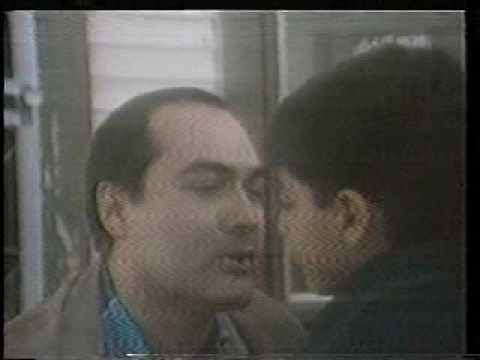
1media/bway-as-bg.jpg2015-06-03T22:10:37-07:00Veronica Paredesf39d262eb7e9d13906fe972f3e5494dbae1896bc34295Annotation for rally for workers' rights in La jaula de oroplain2015-06-29T02:13:00-07:00Veronica Paredesf39d262eb7e9d13906fe972f3e5494dbae1896bcThis scene at a political rally against the Immigration Reform and Control Act of 1986, (also known as the Simpson-Rodino Act and the Simpson-Mazzoli Act) intercuts a professor's speech about mobilization for workers' rights with shots from the lives of the movie's main characters. The characters struggle with the challenges of living in the United States without documented citizenship.
The film is based on a song by Los Tigres del Norte by the same name "La jaula de oro," also the name of the 1984 studio album. In the movie, Los Tigres del Norte perform numerous songs throughout, and band member Hernán Hernández plays Mario Almada's son in the film. They play the award-winning song "América" at the rally before this speech, while the song opens the film. The song also had an interesting accompanying music video.
In Border Matters: Remapping American Cultural Studies, José David Saldívar describes how the song lyrics to "La jaula de oro" captures "a nightmarish culture of surveillance, a profound sense of fear and anxiety, pervades the undocumented worker's everyday life" (6). The film portrays this same imprisonment and hyper-surveillance experienced by the undocumented migrant, though by the end it indulges the fantasy of a return home, with the main character (played by Mario Almada) driving back across the border as the credits roll.
Contents of this annotation:
12015-06-01T15:19:33-07:00Veronica Paredesf39d262eb7e9d13906fe972f3e5494dbae1896bcRally for workers rights in La jaula de oro2A professor speaks at rally against the Simpson-Rodino Act (Immigration Reform and Control Act of 1986) in this film adaptation of a Los Tigres del Norte song of the same name.plain2015-06-01T15:19:56-07:00Veronica Paredesf39d262eb7e9d13906fe972f3e5494dbae1896bc
Contents of this tag:
1media/bway-as-bg.jpg2015-05-30T09:44:59-07:00Veronica Paredesf39d262eb7e9d13906fe972f3e5494dbae1896bcMexico lindo y querido54Tag for Broadway as Background / Background as Broadwaystructured_gallery2015-07-19T10:09:28-07:00Veronica Paredesf39d262eb7e9d13906fe972f3e5494dbae1896bc