Thanks for your patience during our recent outage at scalar.usc.edu. While Scalar content is loading normally now, saving is still slow, and Scalar's 'additional metadata' features have been disabled, which may interfere with features like timelines and maps that depend on metadata. This also means that saving a page or media item will remove its additional metadata. If this occurs, you can use the 'All versions' link at the bottom of the page to restore the earlier version. We are continuing to troubleshoot, and will provide further updates as needed. Note that this only affects Scalar projects at scalar.usc.edu, and not those hosted elsewhere.
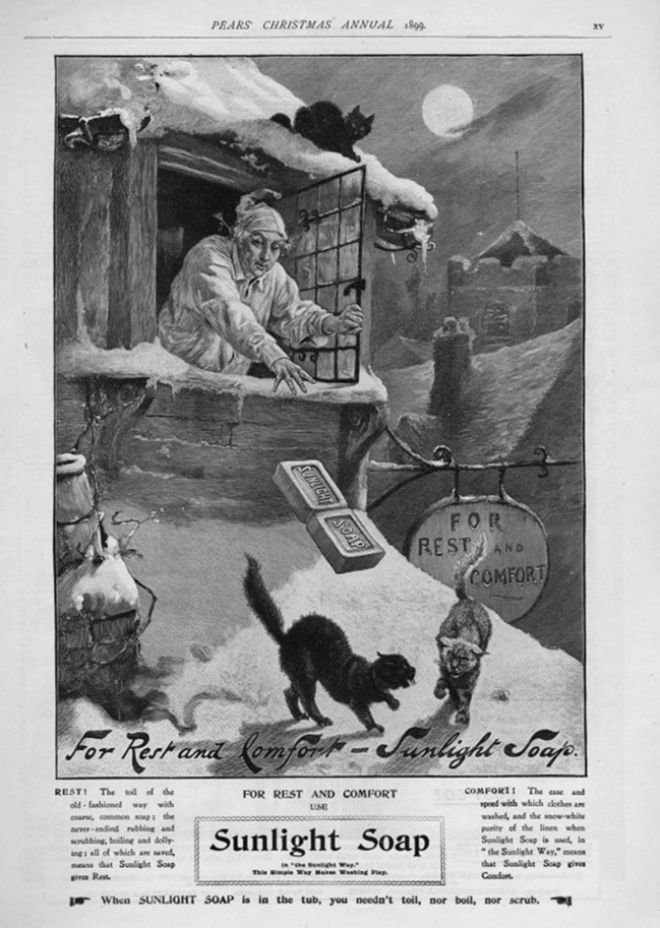
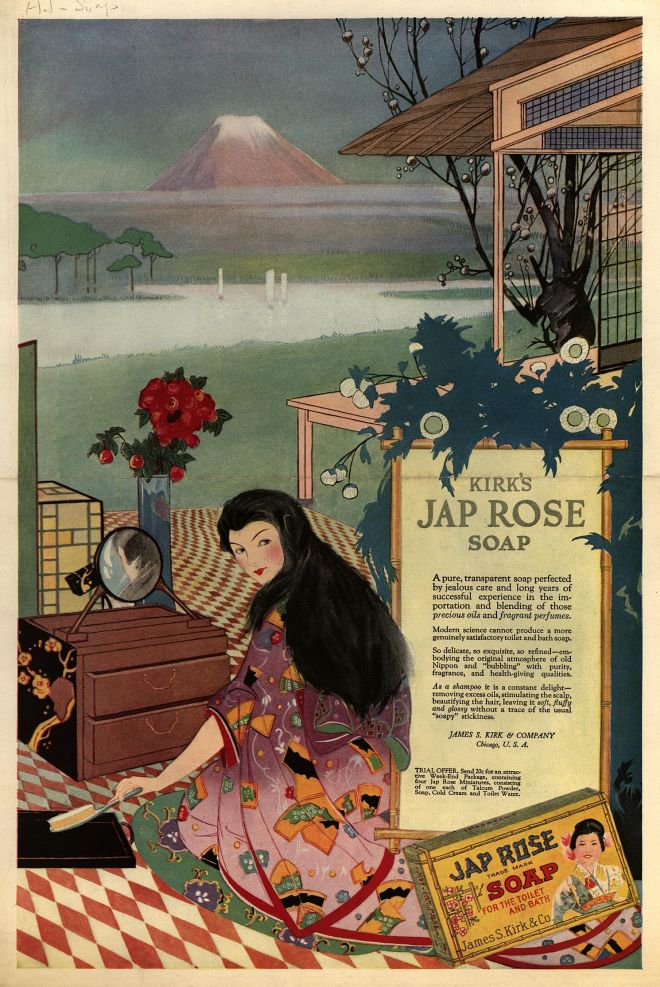
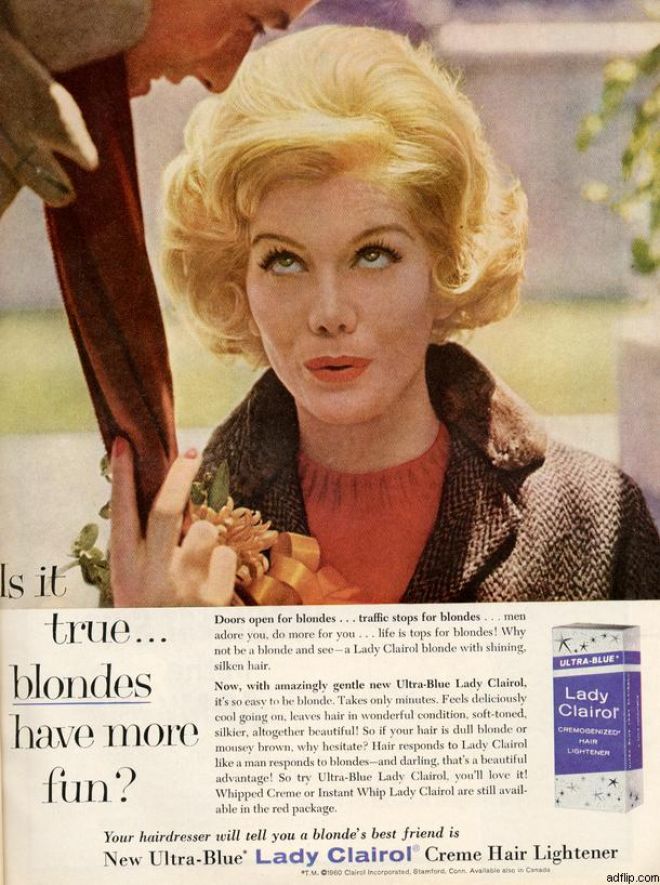
Then in 1900s, because of the improving technology of photography, the painted pictures of advertisements became photos, and then became more colorful instead of black-and-white. The pixels also made photos clearer. With the pictures containing more meaning, the text of advertisements got declined
Although the digital archive only has printed advertisements displayed, from some details we can tell that ads were not limited to physical prints anymore. On the bottom of ad Spell ’IT’ To The Marine (1943), which found in archive, there was a sentence “listen to the radio show ‘Here’s to Romance’ starring Dick Haymes…” Here we can tell that by the time advertising had applied to broadcasting.