Thanks for your patience during our recent outage at scalar.usc.edu. While Scalar content is loading normally now, saving is still slow, and Scalar's 'additional metadata' features have been disabled, which may interfere with features like timelines and maps that depend on metadata. This also means that saving a page or media item will remove its additional metadata. If this occurs, you can use the 'All versions' link at the bottom of the page to restore the earlier version. We are continuing to troubleshoot, and will provide further updates as needed. Note that this only affects Scalar projects at scalar.usc.edu, and not those hosted elsewhere.
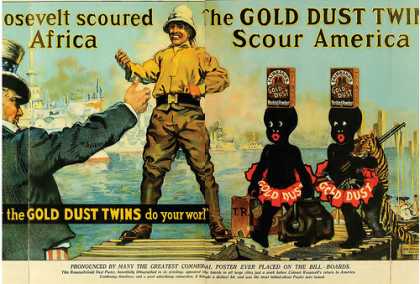
In the previous makeup advertising, the whites were in dominant place. All of the beautiful makeup models, no matter males or females, are all whites. This advertisement of 1910 used the different painting styles, relatively sizes, details of appearances and face expressions to show the racist ideas towards black people.
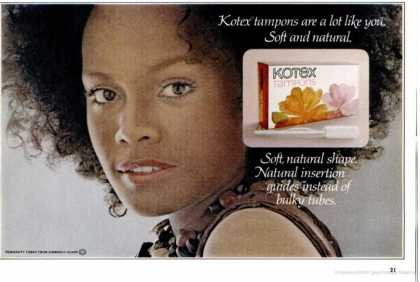
However, as time passed, the makeup advertisements showed that the racial ideas in the society had been reduced. In the lately published advertisements, starting from 1970s, black people start to play a positive role in makeup advertisements.
The society learned to appreciate the beauty of black people. And it was surprising that in the combination of makeup advertisements from 1990s, there are four makeup advertisements featured black beauties. It was a significant progress.
From the changes of how makeup advertisements portrait colored people, especially black people, we can tell the change in the contents reflects the shift in social values towards a more equal, open-minded direction.