Scalar's 'additional metadata' features have been disabled on this install. Learn more.
Linda Huynh Capstone (E-Portfolio)
Main Menu
E-Portfolio Homepage
Biography
E-Portfolio Action Plan
Statement of Professional Philosophy (SOPP)
Resume
Artifact Matrix
Program Goals
Program Goals represent the MMLIS degree's Student Learning Outcomes
Diversity Statement
Conclusion
A reflective essay discussing the issues and tasks I confronted and the insights and skills gained during the construction of this e-portfolio.
Linda Huynh
170b0282345fbbc7b186e060df69ba176aa5c86c
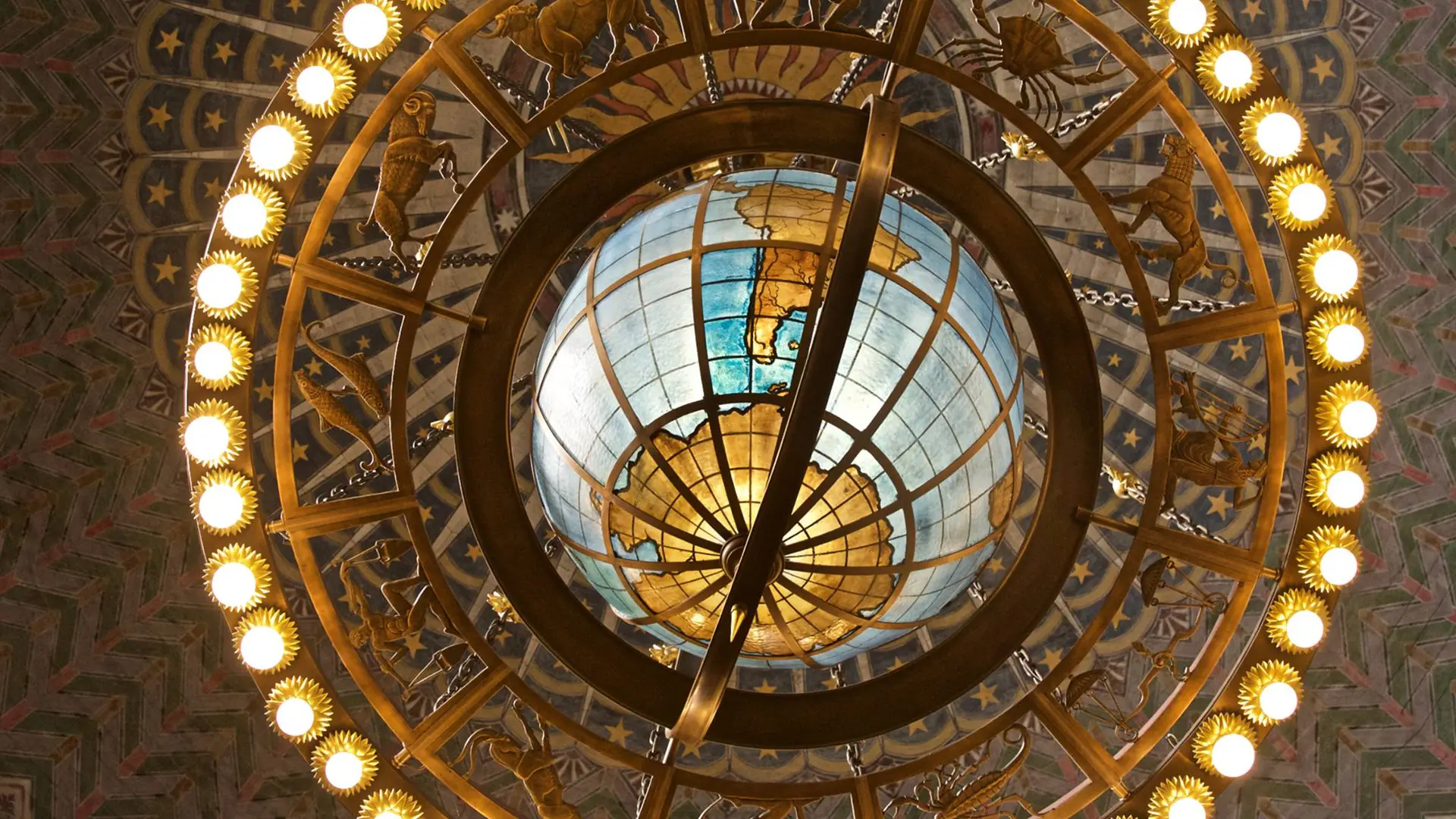
Los Angeles Public Library
1 media/LAPL_thumb.jpeg 2023-11-10T10:15:22-08:00 Linda Huynh 170b0282345fbbc7b186e060df69ba176aa5c86c 43617 3 Photo Credit: Farley Elliott plain 2023-11-14T23:40:54-08:00 Linda Huynh 170b0282345fbbc7b186e060df69ba176aa5c86cThis page is referenced by:
-
1
media/LAPL.jpeg
media/LAPL.jpeg
2023-08-30T17:27:37-07:00
Program Goal - Accessible Information for Stakeholders
7
Organize, retrieve and manage information for stakeholder benefit.
image_header
2023-11-14T23:39:32-08:00
LIS professionals handle all types of information. They manage resource information materials through functions such as cataloging and gathering research data for purposes such as presenting relevant evidence for researchers and decision-makers. From the MMLIS program, I learned that LIS professionals engage with all types of people when creating, managing, and presenting facts to enrich the accessibility of relevant information to an intended user or audience. I learned that, aside from communicating with patrons to enhance information services, LIS professionals must be ready to present information to the library’s decision-makers to advocate for stakeholder benefit. With the presentation of two artifacts, I will showcase my understanding of how I would organize, retrieve, and manage information for stakeholder benefit in two scenarios: in an archival project proposal and in communicating current community developmental trends.
Community Archive Project Idea
This discussion artifact represents how I would organize, retrieve, and manage archival information for stakeholder benefit and was a response to a discussion prompt from LIM 541 Archives and Archival Management. The prompt requested an idea for a prospective community archive project and the ongoing documentation that initiates broad processes of identity, and political agency. The artifact proposes working alongside Chinatown Los Angeles single-residency occupancy (SRO) residents, providing them with disposable cameras and technical assistance, and requesting the SRO residents to capture their current living experiences, individualism, and interactions with each other. Although I did not mention how I would organize and manage the information, I would add the next steps after retrieving the disposable cameras are to develop the film, scan them, name the files in a way that is understood easily by the average user, and upload them to a digital depository associated to the institution I am representing. Ideally, a physical exhibit can display the images, and the photographers and Chinatown community can attend and view them. Because access to viewing the digital depository lasts longer than a physical exhibit, I would also suggest creating a booklet of the pictures, and any library patron can come to view them in person, especially if they are not tech-savvy.
Library Scenario Planning – Library Lifting Legacies
The library scenario and report artifact demonstrate how I would organize, retrieve, and manage information about community trends that the library of my choosing should react to. The LIM 537 Legal, Ethical, and Strategic Fundamentals for Library Managers assignment instructed students to research a community and its associated library, assess current community development trends, and recommend solutions the library should take in reaction to them. The library I chose was the Los Angeles Public Library’s Chinatown Branch Library. The three trends I identified were the closure of legacy ethnic mom-and-pop stores, the rising number of market-rate apartments, and notable racial demographic constants and changes. Following each trend was evidence I discovered during my research. I ended the report with suggestions that the Chinatown Branch Library can take supportive roles to support Chinatown’s small businesses and residents. According to Chan and Zhou (2022), a method to preserve affordability and community service through ethnic retail is encouraging mom-and-pop storeowners and their building managers to invest in or advocate for improving building conditions housing the store. The aesthetic improvement will attract more customer traffic. A suggestion is that the library can facilitate partnerships among the Chinatown Community for Equitable Development (CCED) (a trusted community organization) with a local bank to develop educational loan and an investment in plan materials. In addition, I justified how these roles aligned with the Los Angeles Public Library’s current strategic plan.
Conclusion
The two artifacts taught me organizing, retrieving, and managing information must consider stakeholder benefit, and LIS professionals present that information to patrons and library decision-makers. The Community Archive Project Idea showcased how I would retrieve and manage information alongside the support of community members. In Library Scenario Planning – Library Lifting Legacies, I learned LIS professionals provide relevant and supporting evidence when communicating with library decision-makers. As a result, I will take these lessons with me when I enter the LIS profession.
References
Chan, C., & Zhou, A. (2022). How to save Chinatown: Preserving affordability and community service through ethnic retail. Berkely Planning Journal, 32(1). https://doi.org/10.5070/BP332052798