On Efficiency
AligningCapitalist efficiency is geared towards squeezing more productivity out of workers and resources. Capitalist efficiency includes post-Fordist assembly-line factories and, more recently, electronic surveillance that tracks keystroke activity and facial expressions to make sure remote workers stay on task during the pandemic.
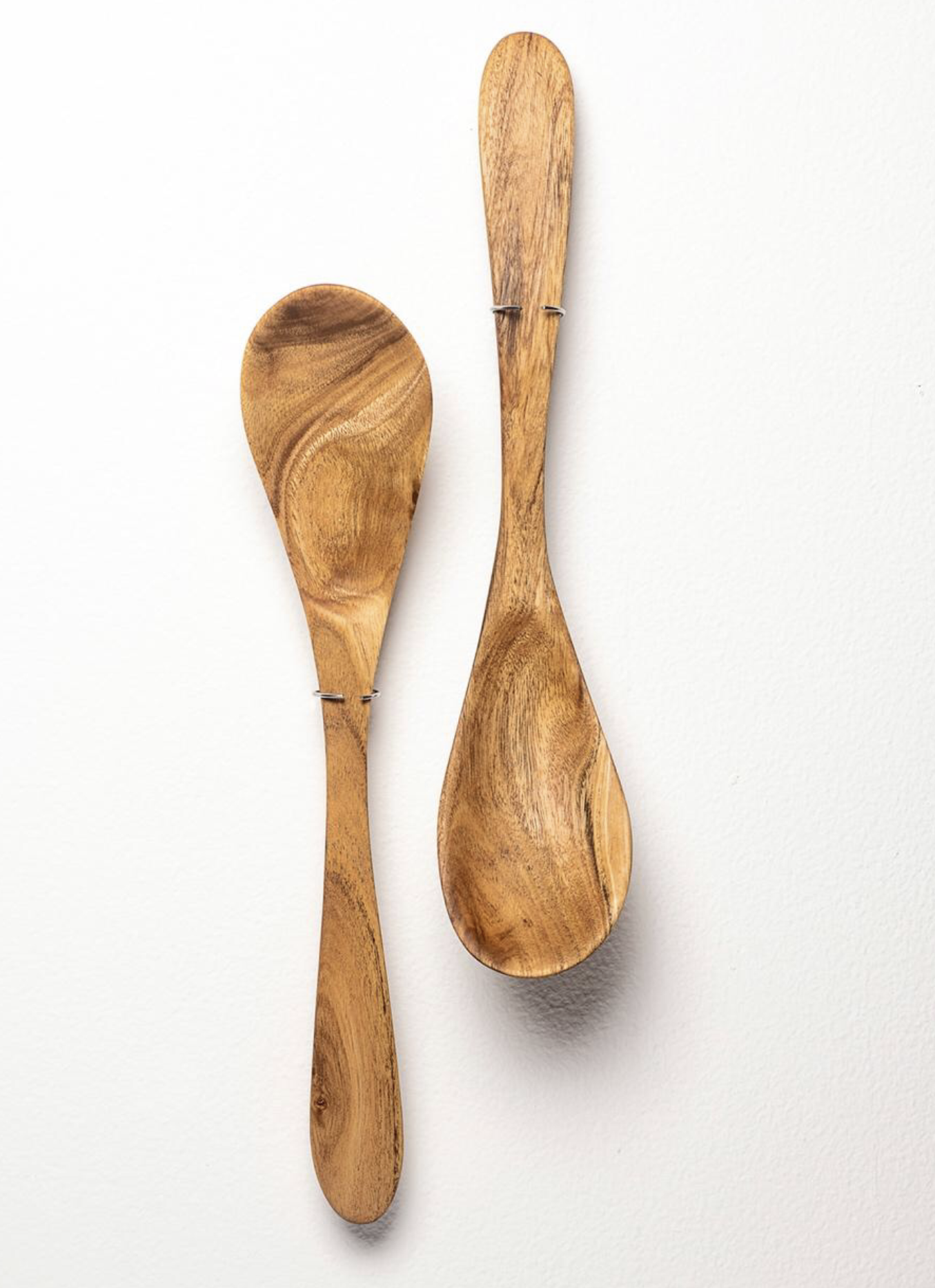
By contrast, crip efficiency is about survival and minimizing the harm to one’s body. One example is pacing, a practice developed by the myalgic encephalomyelitis/chronic fatigue syndrome (ME/CFS) community, where you rest when fatigued and engage in activity when able. Another articulation of crip efficiency is Christine Miserandino’s spoon theory, where spoons represent units of energy: healthy people have a limitless number of spoons, whereas chronically ill people have a limited number. (My colleague Pato Hebert’s Counter Measures, inspired by spoon theory, is a series of hand-carved eucalyptus spoon sculptures that provide metaphorical insight into the textures of long-hauler life and activism.) In my own quotidian life, crip efficiency is constantly calculating how I can expend the least amount of energy while cooking in my kitchen. As I move from refrigerator to cutting board to stove to sink, I ask, How can I take the fewest number of steps, avoid carrying heavy things for more than a few seconds, sit whenever possible? I’ve crystallized this kitchen dance into a game, an improvisational movement score. This score is part of a series of everyday crip choreographies I am developing called the syllabus of the body.Sometimes crip efficiency and productivity unexpectedly align. When I pace my mental exertion by taking short meditation breaks during computer work, sometimes I finish the work more quickly than if I had worked continuously with shrinking mental resources. But more often, crip efficiency—as with many aspects of disabled life and worlds—is radically anti-capitalist. As Johanna Hedva points out, “‘sickness’ as we speak of it today is a capitalist construct, as is its perceived binary opposite, 'wellness.' The 'well' person is the person well enough to go to work. The 'sick' person is the one who can’t.” Crip efficiency may not help us get more shit done, but it helps us live better.
In my dancer-trained body, crip efficiency translates the lessons of somatic movement into crip survival. Take walking up the stairs, an action that can wind me and send my heart rate rocketing. I breathe from my belly, my weight pouring fully into the bones of my feet, enjoying the sensation of my skull floating on my spine, slowing whenever my heart quickens.
This ability to mindfully calibrate my body to move with efficiency and ease are the same skills that once allowed me to push at the edges of extreme able-bodied virtuosity and athleticism onstage and to dance on top of chronic injuries. They can be used in service to capitalism: as Petra Kuppers points out, dance artist Rudolph von Laban’s methods of movement analysis were adapted to help post-WWII factory workers mitigate repetitive strain (2022, 61). But it turns out that productivity and efficiency are not the same thing: somatic tools for physical efficiency, when wielded by crips, turn into survival strategies, harm reduction, and sources of creative play and pleasure.
This page has paths:
- Lingering HWMI Collective
- Counter Measures Annotation HWMI Collective
- from the Exhibit LINGERING HWMI Collective