Unit One: "German" Art or Art of the World?
Guiding Questions
- What role did art and culture play in forming Germany’s national identity in the 19th century?
- How did artists and their publics respond to modernization in the late 19th century?
- In what ways did race, class, and social issues influence both traditional (academic) and non-traditional (experimental) artworks?
Assignment Information
20% of final grade; due on the first day of Unit Two at the beginning of class
Unit Schedule
- Session 1A: Introduction
- Session 1B: Aesthetic Philosophy & Romanticism
- Session 2A: Art and the Nation
- Session 2B: Writing Workshop with special guest, Ari Feld (Writing Instructor and Spanish Language Interpreter)
This page has paths:
- Course Schedule Sara Blaylock, UC Santa Cruz
Contents of this path:

Contents of this tag:
- Wanderer Above the Sea of Fog; Caspar David Friedrich, 1818
- Cologne Cathedral, first built 1248-1473; construction continued 1850s-1880; restoration 1950s-2005
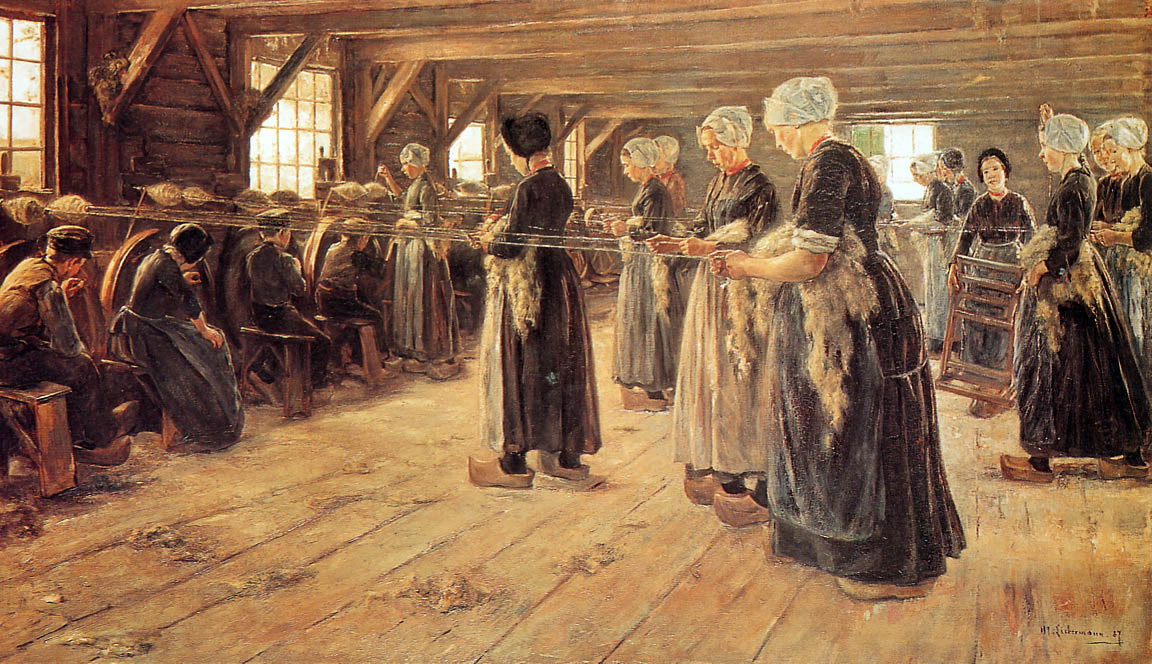
- The Flax Spinners (Flax-Scourers in Laren)
- The Iron Rolling Mill (Modern Cyclops), Adolph Menzel, 1872-1875
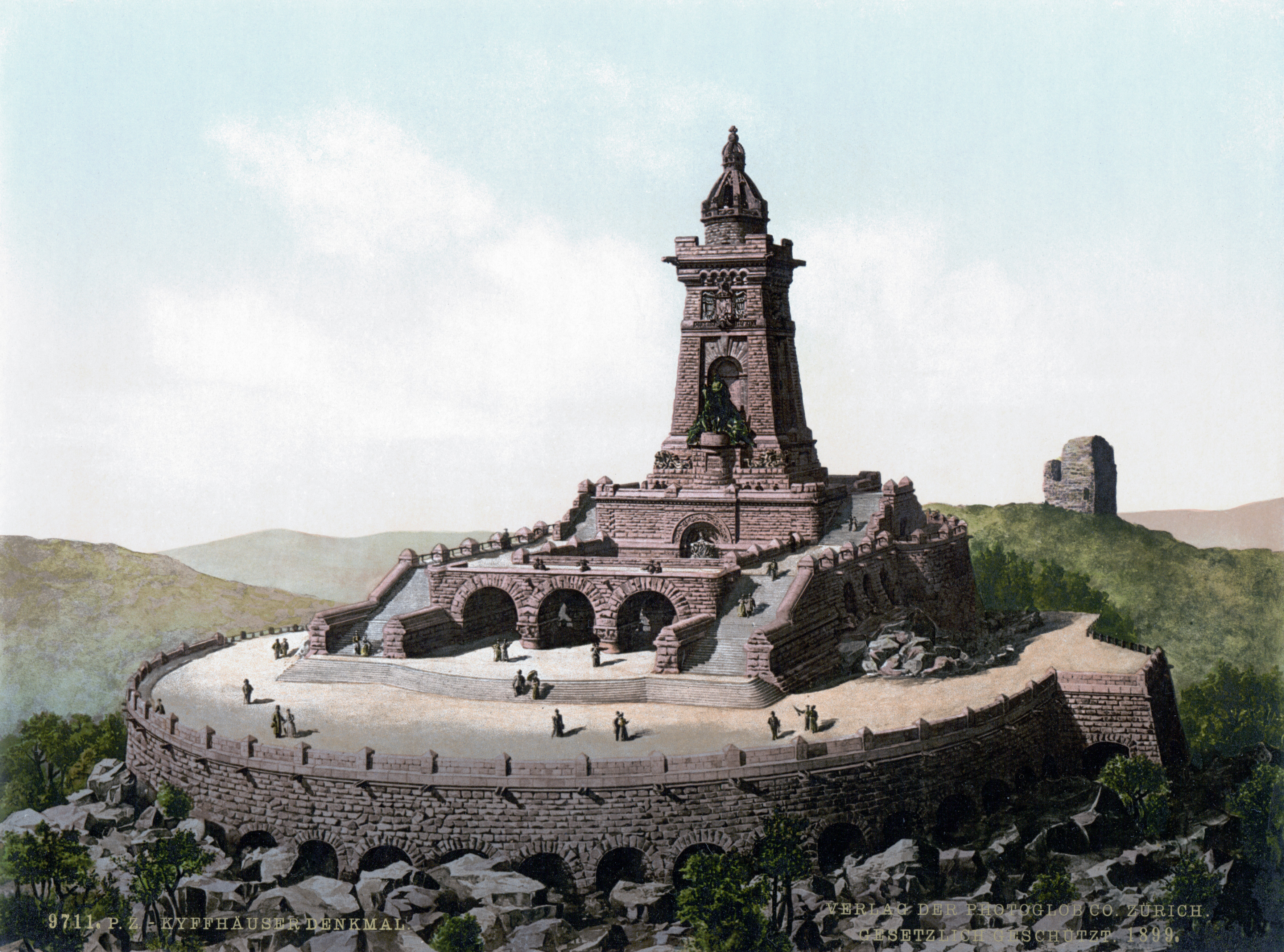
- Kyffhäuser Monument; designed by Bruno Schmitz; erected 1890-1896
- Suffer Little Children to Come Unto Me; Fritz von Uhde, 1884
- The Twelve-Year-Old Jesus in the Temple; Max Liebermann, 1879
- Supper at the Ball
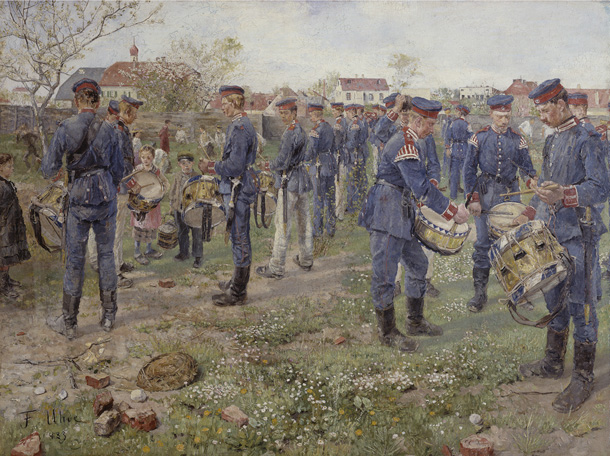
- Drum Practice (Bavarian Drummers)
- The Strike of the Blacksmiths
- The Wise and Foolish Virgins


.jpg)




This page has replies:
- What role did art and culture play in forming Germany’s national identity in the 19th century? Sara Blaylock, UC Santa Cruz
- In what ways did race, class, and social issues influence both traditional (academic) and non-traditional (experimental) artworks? Sara Blaylock, UC Santa Cruz
- How did artists and their publics respond to modernization in the late 19th century? Sara Blaylock, UC Santa Cruz
- What role did art and culture play in forming Germany’s national identity in the 19th century? Sara Blaylock, UC Santa Cruz