Thanks for your patience during our recent outage at scalar.usc.edu. While Scalar content is loading normally now, saving is still slow, and Scalar's 'additional metadata' features have been disabled, which may interfere with features like timelines and maps that depend on metadata. This also means that saving a page or media item will remove its additional metadata. If this occurs, you can use the 'All versions' link at the bottom of the page to restore the earlier version. We are continuing to troubleshoot, and will provide further updates as needed. Note that this only affects Scalar projects at scalar.usc.edu, and not those hosted elsewhere.
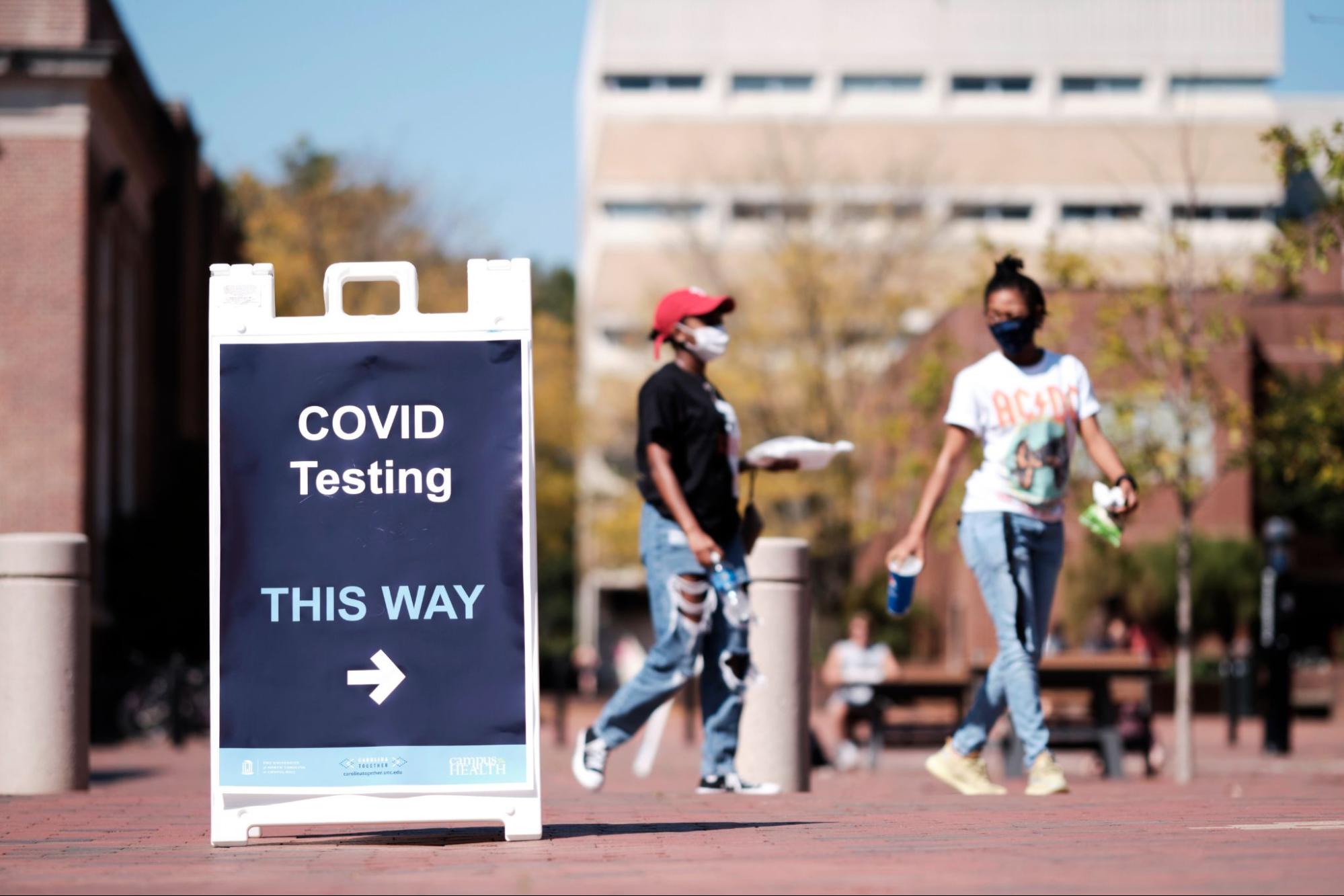
1media/image23_thumb.jpg2021-08-26T13:33:00-07:00Grant Glass107afcf8873f422898a9c2e07c49ae3f625fc644373541UNC-Chapel Hill Multimedia Library, UNC-Chapel Hill, 13 Aug. 2020. https://unc.photoshelter.com/search/result/I0000CM28CpzdODg?terms=COVID&download=t&.plain2021-08-26T13:33:00-07:00Grant Glass107afcf8873f422898a9c2e07c49ae3f625fc644
This page is referenced by:
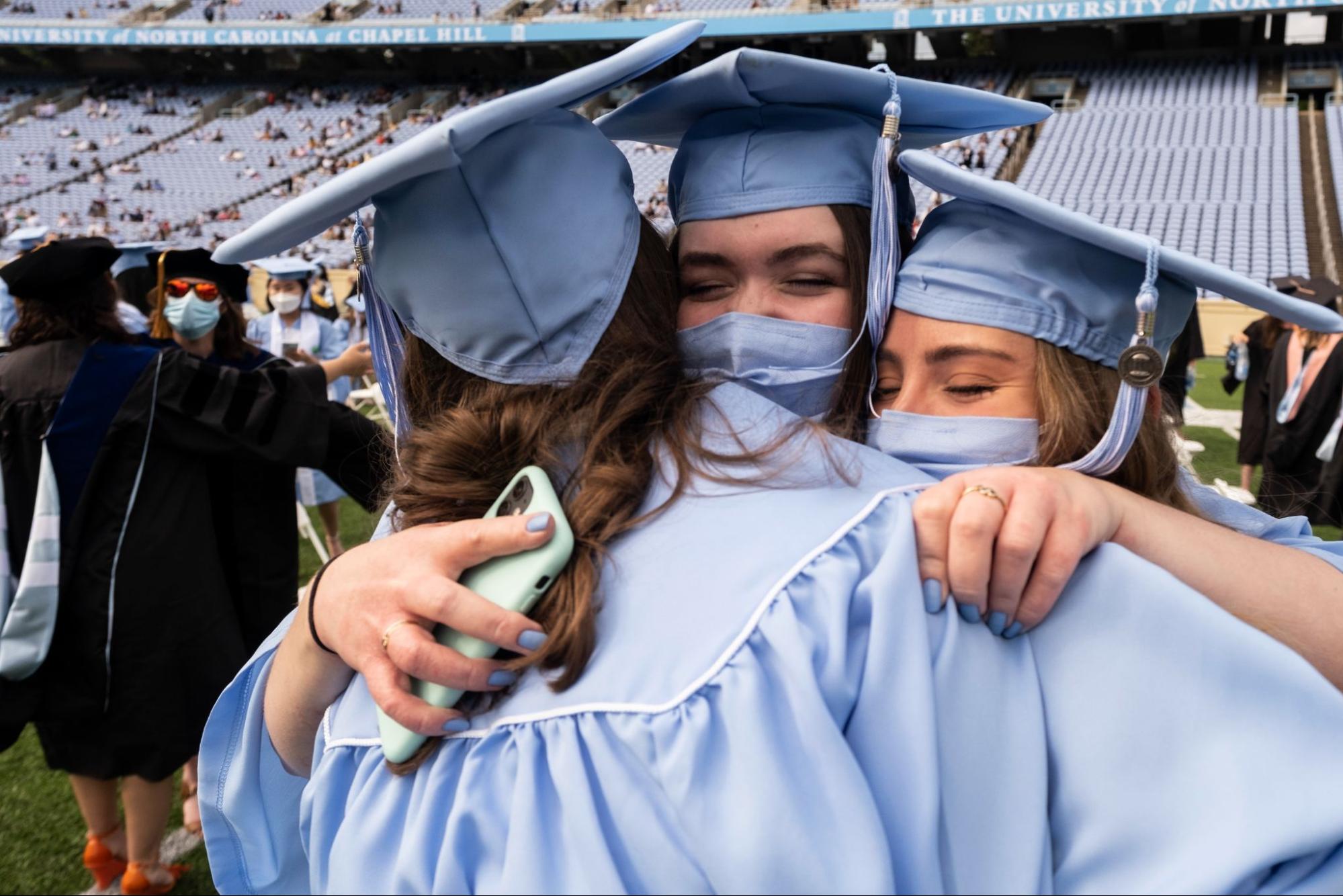
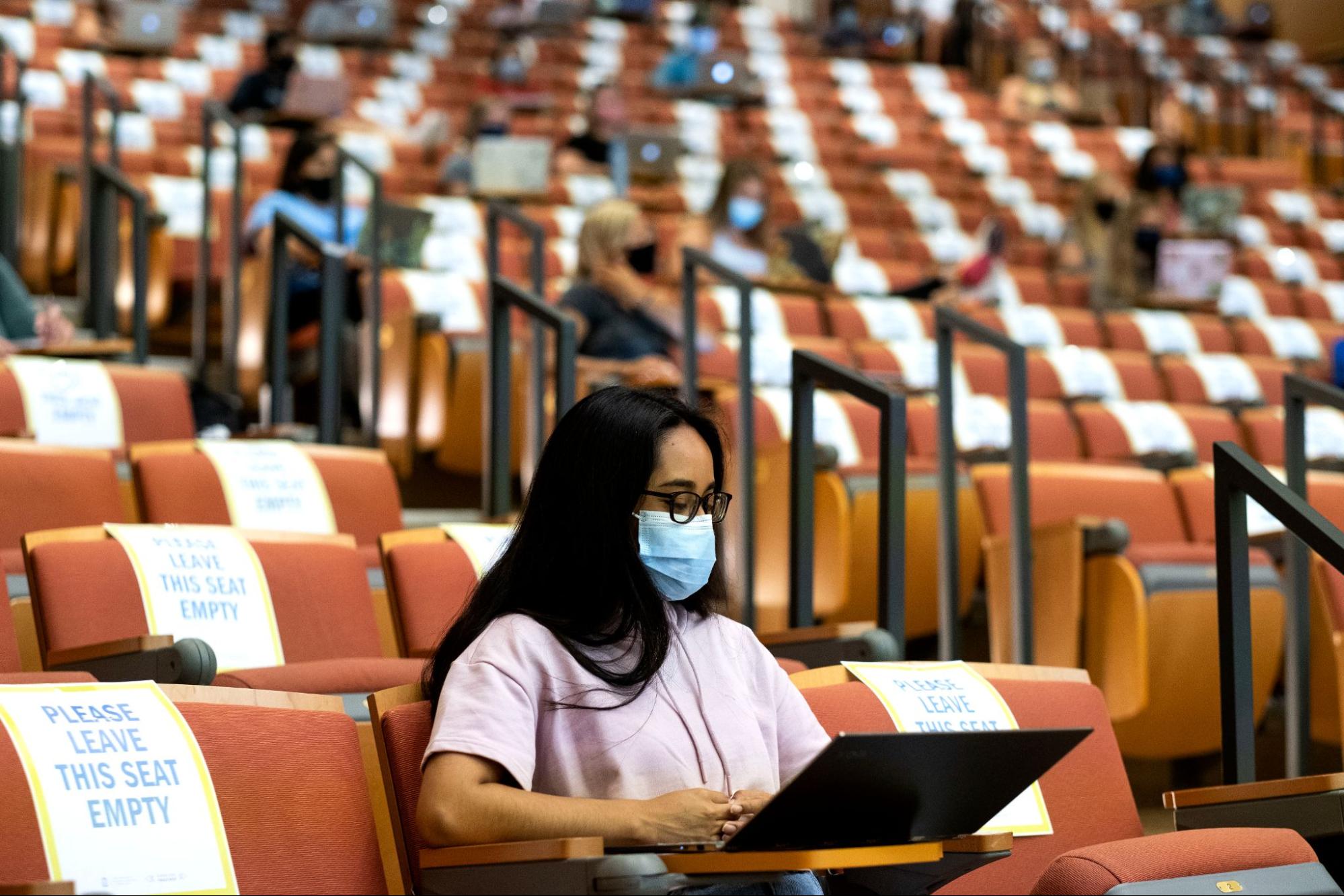
1media/image102.jpg2021-08-26T13:32:25-07:002020, Spring - 2021, Fall - COVID-19 Pandemic Impacts UNC5The SARS-CoV-2 virus was first identified in December 2019 and by March 2020 had created significant cases in the U.S. UNC faculty and students shifted to online classes. The rapid development of vaccines to combat COVID-19 made it possible for students to return to in-person as well as remote classes by fall 2021.plain2021-09-02T09:58:48-07:00The SARS-CoV-2 virus was first identified in December 2019 and by March 2020 had created significant cases in the U.S. UNC faculty and students shifted to online classes. Community standards and a testing program were created, adjustments were made to the academic calendar, and tracking data as well as information about managing the virus was provided. The rapid development of vaccines to combat COVID-19 made it possible for students to return to in-person as well as remote classes by fall 2021. Learn more about COVID-19 at UNC at the Carolina COVID-19 Archive, 2020-2021