Current Therapeutic Techniques
There is no gold standard when it comes to therapeutic treatments for static balance in DCD. According to a meta-analysis of the treatments for DCD, it was found that physical therapy (PT) and occupational therapy (OT) were deemed to be the most effective and, in consequence, the ones that are most commonly applied (Smits-Engelsman et al, 2012).
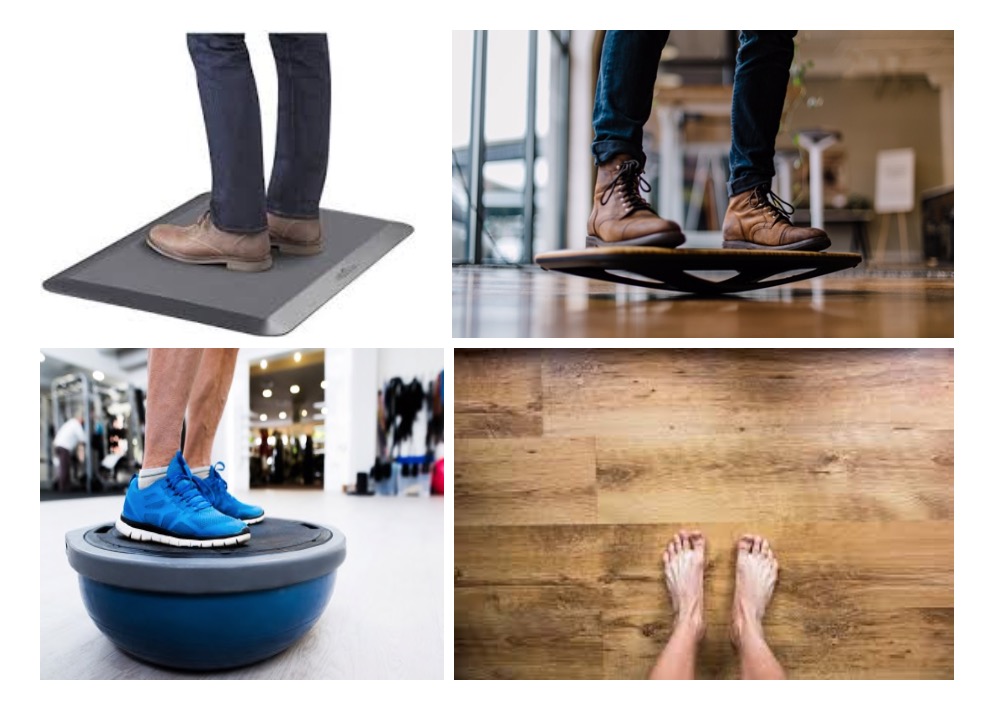
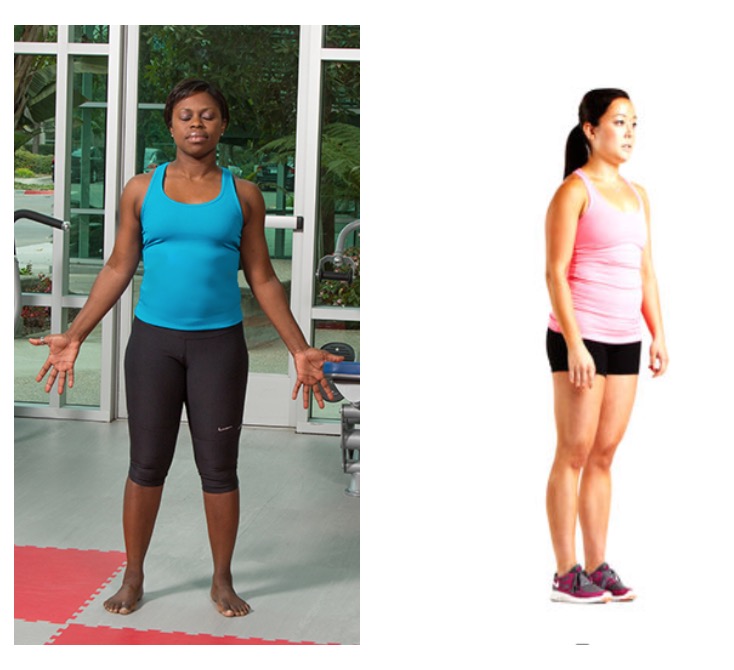
Physical therapists and occupational therapists work on balance rehabilitation as well as help people with DCD improve their motor and sensory strategies. The balance tests that are done usually have the primary goal of testing the limits of stability (Westcott et al., 1997). Examples of static balance exercises that are given to DCD childrenare two-legged stance, one legged stance as well as standing still with feet together. These exercises are given in order to reduce their sway and improve their static balance. Also, PT and OT help children with DCD integrate sensory information more efficiently by providing situations where they need to compensate for the loss of a system (Smits-Engelsman et al, 2012). These professionals also give exercises to children with DCD that include different bases of support, exercises with no visual feedback as well as on different terrains. A patient who participates in therapy sessions at a rate of three to five times a week show the greatest improvement compared to those who attend one session a week (Smits-Engelsman et al, 2012).
DCD children are also usually diagnosed with other disorders on top of their DCD diagnosis. Doctors must also be able to properly prescribe appropriate medications and/or psychiatric therapy.
This page has paths:
- Dysfunctional anticipatory and feedback responses Roxanna Kuperman