Tango in Western Classical Music
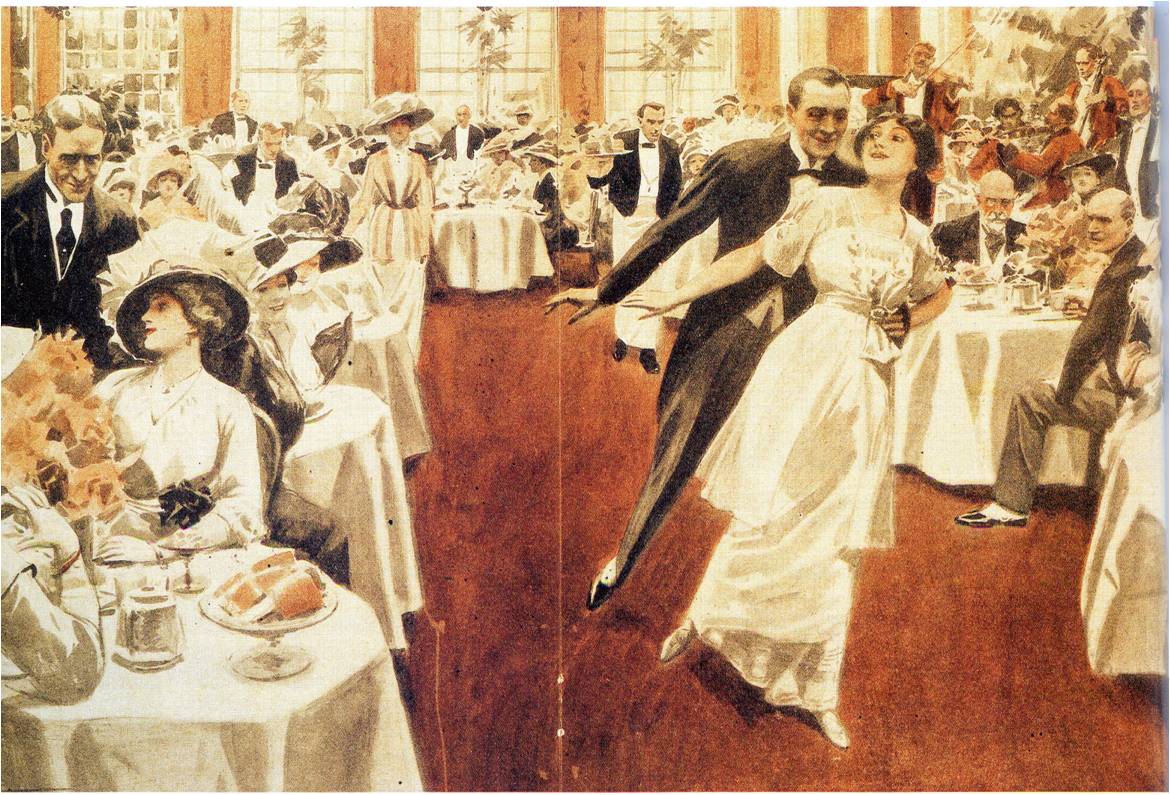
The development of tango in Western classical music has everything to do with the phenomenon of tangomania in Europe and North America during the 1910s. Tango first entered Paris in 1909, and soon became the new fashion in the aristocratic ballroom and elite salon, and reached its peak popularity in 1912. The similar pattern also went on in London and New York during the same era.
This new favorite dance/music of course attracted the attention of various classical music composers active in Paris at that time. Therefore, some tango pieces in Western classical music showed up as early as the 1910s, such as Erik Satie's Le Tango perpétuel (1914) and Igor Stravinsky's "Tango-Valse-Rag" in Histoire du Soldat (1918). After the 1910s, tango as a music genre continued to sporadically appear in the compositions of classical music composers from various regions.
It should be noted that during the 1980s, American composer/pianist Yvar Mikhashoff initiated a grand tango music project, commissioning more than one hundred tangos for solo piano from contemporary classical music composers globally. This "Yvar Mikhashoff Collection of Tangos" has become one of the most crucial resources for contemporary tango music studies.
Compared with tango argentino, one major distinction of these tangos in classical music is the lack of such characteristic elements as yeites, canyengues, the use of bandoneón, and the binary nostalgic/provocative aesthetics. Instead, these tangos are adapted to the taste of classical music audience, and the composers' primary intention is to, with the stylized tango rhythm, explore the music language, structure, and style in the context of the 20th century (post)modernism.
Concerning these classical music tangos, this tango music project deals with the tango compositions by contemporary classical music composers after the 1950s, examining how they respectively contribute to the general tango repertory in different ways.
This new favorite dance/music of course attracted the attention of various classical music composers active in Paris at that time. Therefore, some tango pieces in Western classical music showed up as early as the 1910s, such as Erik Satie's Le Tango perpétuel (1914) and Igor Stravinsky's "Tango-Valse-Rag" in Histoire du Soldat (1918). After the 1910s, tango as a music genre continued to sporadically appear in the compositions of classical music composers from various regions.
It should be noted that during the 1980s, American composer/pianist Yvar Mikhashoff initiated a grand tango music project, commissioning more than one hundred tangos for solo piano from contemporary classical music composers globally. This "Yvar Mikhashoff Collection of Tangos" has become one of the most crucial resources for contemporary tango music studies.
Compared with tango argentino, one major distinction of these tangos in classical music is the lack of such characteristic elements as yeites, canyengues, the use of bandoneón, and the binary nostalgic/provocative aesthetics. Instead, these tangos are adapted to the taste of classical music audience, and the composers' primary intention is to, with the stylized tango rhythm, explore the music language, structure, and style in the context of the 20th century (post)modernism.
Concerning these classical music tangos, this tango music project deals with the tango compositions by contemporary classical music composers after the 1950s, examining how they respectively contribute to the general tango repertory in different ways.
