Scalar's 'additional metadata' features have been disabled on this install. Learn more.
Civic Imagination
Main Menu
The Big Map: an Overview of the Civic Imagination
The Big Map of Civic Imagination all over the world
Non Fiction
Real World Instances that inspire Civic Imagination
Popular Culture/Fictional
Characters, stories and fictional universes that resonate with communities and inspire action
Myth and Folklore
Stories from cultures around the world that inspire Civic Imagination
Religious
Stories based in faith and religions
Migrating the Stories
Explore the Big Map and then remix Imagination by migrating stories to new locales
Contributors
People who contributed stories to the project
Gabriel Peters-Lazaro
3bc3965831120bc593545fef6d0da73657e21ea0
Emilia Yang
0306ec8482b0946a4ad881acf758effb11741533
Bosses
1 2016-07-20T01:00:53-07:00 Sangita Shresthova 497a02d289c277275bc5ece441097deedf8135e7 9199 2 https://fbcdn-sphotos-a-a.akamaihd.net/hphotos-ak-xal1/v/t1.0-9/13533124_10154293065126079_9118589194036163658_n.jpg?oh=c3203bc56b4a6689e94629e5206703e0&oe=57ECB429&__gda__=1479056856_a3d38ba74949ba1a53b5593ac91c63f4 plain 2016-07-20T01:01:07-07:00 Sangita Shresthova 497a02d289c277275bc5ece441097deedf8135e7This page is referenced by:
-
1
2016-07-19T09:01:19-07:00
The Bosses
3
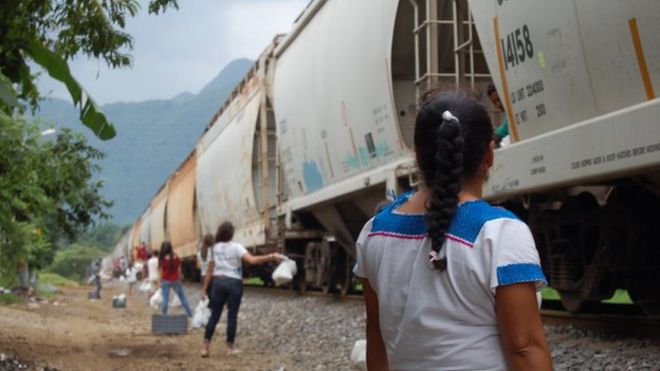
A grup of women that have lived the phenomena of migration in Mexico and have decided to help the migrants by providing them food, water and shelter,
google_maps
2016-07-20T01:02:21-07:00
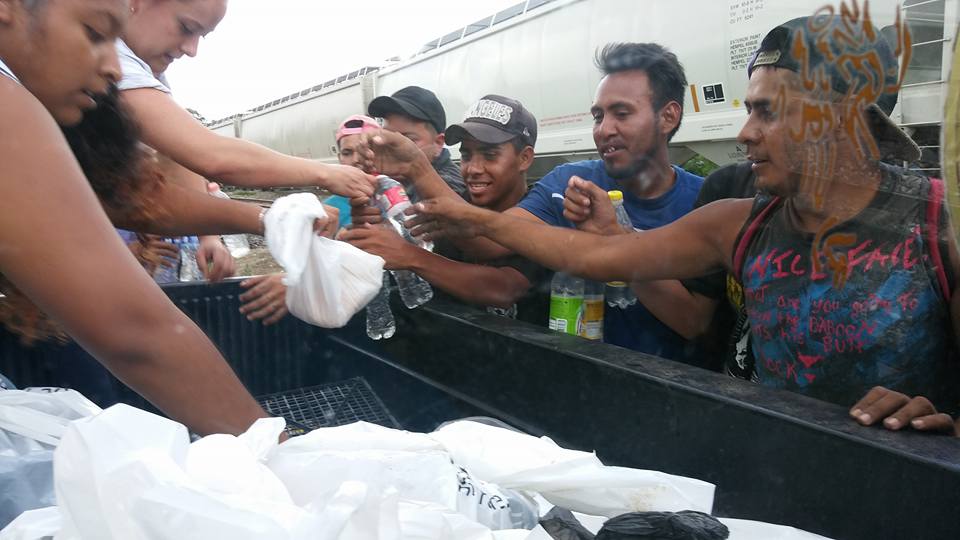
A group of women that have lived the phenomena of migration in Mexico and have decided to help the migrants by providing them food, water and shelter, to rest before they continue their trip to the United States. While the migrants are on a train these women called "Las Patronas" (The Bosses) throw at them bags full of food and water. https://www.youtube.com/watch?v=ghmJGwrjqGw http://www.bbc.com/news/world-latin-america-28193230
The first time I learned about the existence of “Las Patronas” I was in my second year of high school and I didn’t really paid attention to them because I did not knew the condition the migrants had to endure during their trip to Mexico. It wasn´t until I started my first year of college that I knew the real sacrifice they were making, as a community that does not has a lot of money they stretch it to be able to buy rice and beans to make hundreds of lunches for the migrants. Since then I have found it really interesting how these women risk even their lives to help others in need. These women are nationally known, though their work is not acceptable for everyone in the country, due to the xenophobia the Mexicans have towards the migrants from Central and Latin America. They have encountered hostilities from religious and governmental institutions that do not recognized them, and violence from the side of the drug cartels and gangs that live in that part of the country. What these women care for the most is for the well being f the migrants because they should be treated with respect, since they are human beings that are looking for a better life. Las Patronas is an example of how a group that unites can defeat threats from the bad people. People around the country want to volunteer to help the cuse through donations or working to them as a social service.
People learn about the conditions in which the migrants live, they created a social change because they are an example of humanitarian treatment, it shows for the people that want to help that it is possible.
Migrants in train called “La Bestia”: https://fbcdn-sphotos-a-a.akamaihd.net/hphotos-ak-xta1/v/t1.0-9/13631494_10154346576606079_1640434653040849822_n.jpg?oh=e810ec553469a80fb6d28a51368bbb96&oe=581F39C3&__gda__=1479963534_672f88dae18abe7c68c24e5539d9063d
Locations of Las Patronas http://ichef-1.bbci.co.uk/news/624/media/images/76094000/jpg/_76094621_mexicoveracruz4640714.jpg
Food for the migrants http://ichef.bbci.co.uk/news/624/media/images/76304000/jpg/_76304701_bags.jpg
Migrants receiving food https://fbcdn-sphotos-a-a.akamaihd.net/hphotos-ak-xal1/v/t1.0-9/13533124_10154293065126079_9118589194036163658_n.jpg?oh=c3203bc56b4a6689e94629e5206703e0&oe=57ECB429&__gda__=1479056856_a3d38ba74949ba1a53b5593ac91c63f4
Migrants, Mexico, Patronas, Aid