Chapter 2: Korean Envoys and Sino-Korean exchange
Sahaeng and Yŏnhaengnok
Sahaeng 사행 (Diplomatic journeys): envoys to Ming China (1368–1644) for annual events and special occasions based on mutual needs.
Yŏnhaengnok 연행록 (records of diplomatic mission to China): term used by officials dispatched to Qing China (1644–1911).
- Total of 280 documents out of 380 records of Korean China missions
- Different styles and languages: prose-essays, kasa, sijo, travelogues, and diaries in classical Chinese and vernacular Korean
- Important authors: Hong Taeyong (1731–1783), Yŏngi 연기; Kim Ch'angŏp (1658–1722), Nogajae Yŏnhaeng ilgi 노가재연행일기; Pak Chiwŏn (1737–1805), Yŏlha ilgi 열하일기
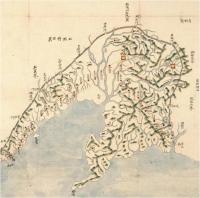
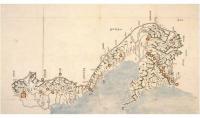
Yŏnhaeng Map
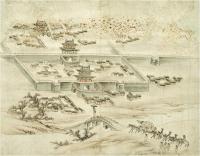
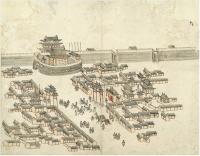
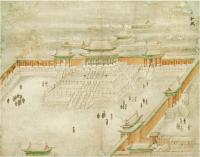
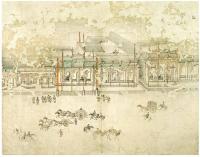
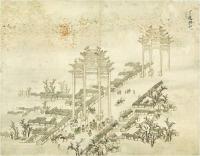
Land route: Yalu river - Liaodong - Fenghuangcheng - Shenyang - Heishan - Jinzhou - Xingcheng - Shanhaiguan - Beijing
Journeys to China during late Chosŏn
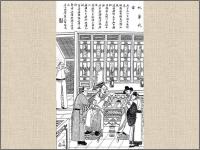
Cultural Exchange in Beijing between Chinese and Korean Intellectuals.
King Yŏngjo the Great (1724~1776) is known to be the wisest king of Chosŏn next only to King Sejong, and his reign, the longest of all Chosŏn kings, is largely remembered a time of peace and prosperity. He managed to keep factional struggles under control and implemented policies that benefited the poor. King Chŏngjo (1752~1800), a grandson and successor of Yŏngjo, is known as the “Enlightened Monarch” for his interest in new knowledge and science. His premature death at the age of 40 is a subject of much speculation among historians, all the more because Chosŏn began its decline after his death.
Pak Chiwon (1737-1805)
Jehol Diary (Yŏrha ilgi, 1790)
Record of his travel to China and Satirical novels in Chinese
Pak Chega (1750-1805)
Discourse on Northern Learning (1778)
Born to a yangban's concubine, he was Pak Chiwŏn's disciple and an erudite literatus. He became an interpreter for royal emissaries to China and tried to spread the new knowledge from Qing to Chosŏn.
Chŏng Yagyong (1762-1836)
Sirhak scholar par excellence; Korea's "Renaissance man"
Writings:
-Design for Good Government (1817)
-Admonitions on Governing the People (1818)
-Toward a New Jurisprudence (1819)
-Comprehensive Treatise on Smallpox (1798)
-Treatise on Land (1799); advocates the “village land system”
-Register of Hǔksan Fish (1815): record of the names, distribution, morphology, habits, and uses of 155 varieties of marine life
Intellectual Life and Materials imported from China
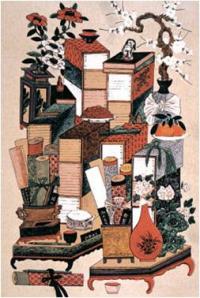
Korean folk painting of books and antiquities