Thanks for your patience during our recent outage at scalar.usc.edu. While Scalar content is loading normally now, saving is still slow, and Scalar's 'additional metadata' features have been disabled, which may interfere with features like timelines and maps that depend on metadata. This also means that saving a page or media item will remove its additional metadata. If this occurs, you can use the 'All versions' link at the bottom of the page to restore the earlier version. We are continuing to troubleshoot, and will provide further updates as needed. Note that this only affects Scalar projects at scalar.usc.edu, and not those hosted elsewhere.
Aberdeen Pavilion
Main Menu
Aberdeen Pavilion as an Exhibition Site
by Christianne Manuel
Aberdeen Pavilion and Canadian Exhibitions
The Aberdeen Pavilion is well known for its use as a venue for many exhibition events. However, its function is also evident in considering other examples. For instance, there are and have been many exhibitions that influenced what is known as the SuperEx. This section explores the different events and architecture that influenced the Aberdeen Pavilion's construction and purpose.
Central Canada Exhibition
This section specifically focuses on the Central Canada Exhibition (CCE) and how it progressed into the construction of the Aberdeen Pavilion. The CCE played a big role in the portrayal of some of Canada's greatest accomplishments.
Aberdeen Pavilion Today
Although the SuperEx has been discontinued, the Aberdeen Pavilion continues to stand not only as a place of memories for some, but continues to be an attention-grabbing example of local architecture. You can also find the local farmers' market here if you're feeling hungry.
Media Gallery
Christianne Manuel
Bibliography
Christianne Manuel
Christianne Manuel
3d72713cd70f267101818fec35a7118059660975
Footnote 1
1 2021-04-02T19:47:49-07:00 Christianne Manuel 3d72713cd70f267101818fec35a7118059660975 38938 4 Parks Canada, "Aberdeen Pavilion national Historic Site of Canada," https://www.pc.gc.ca/apps/dfhd/page_nhs_eng.aspx?id=447 plain 2021-12-14T19:04:38-08:00 Christianne Manuel 3d72713cd70f267101818fec35a7118059660975This page is referenced by:
-
1
media/AP.jpg
media/AP Frame.JPG
2021-04-02T13:31:15-07:00
Aberdeen Pavilion and Canadian Exhibitions
119
The Aberdeen Pavilion is well known for its use as a venue for many exhibition events. However, its function is also evident in considering other examples. For instance, there are and have been many exhibitions that influenced what is known as the SuperEx. This section explores the different events and architecture that influenced the Aberdeen Pavilion's construction and purpose.
image_header
2024-09-16T12:16:37-07:00
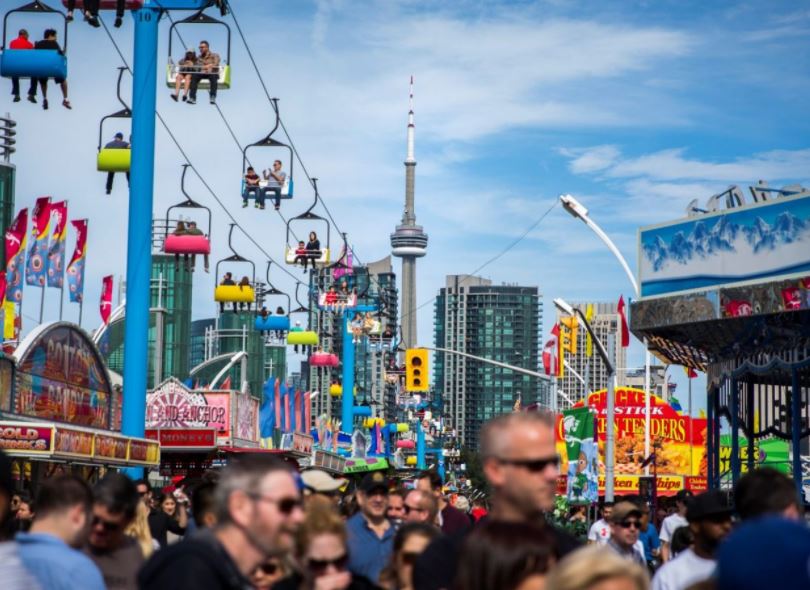
Canada has hosted a variety of national exhibitions that continue to be focal points of discussion. Expo 67, for example, was held in Montreal in 1967. This was the highlight of Canada's Centennial celebrations. Over fifty-million people, including thousands from Ontario, traveled to Montreal to experience innovative architecture, entertainment, and other cultural attractions. Many Canadians are also fairly familiar with the famous Canadian National Exhibition (CNE) normally held in downtown Toronto every August. The CNE has been running since 1879 except for the past year due to COVID-19. Major streets are closed down for the CNE, and there are many methods of transportation designated to getting to the site. It continues to showcase the different technological innovations and commercial products of the nation.
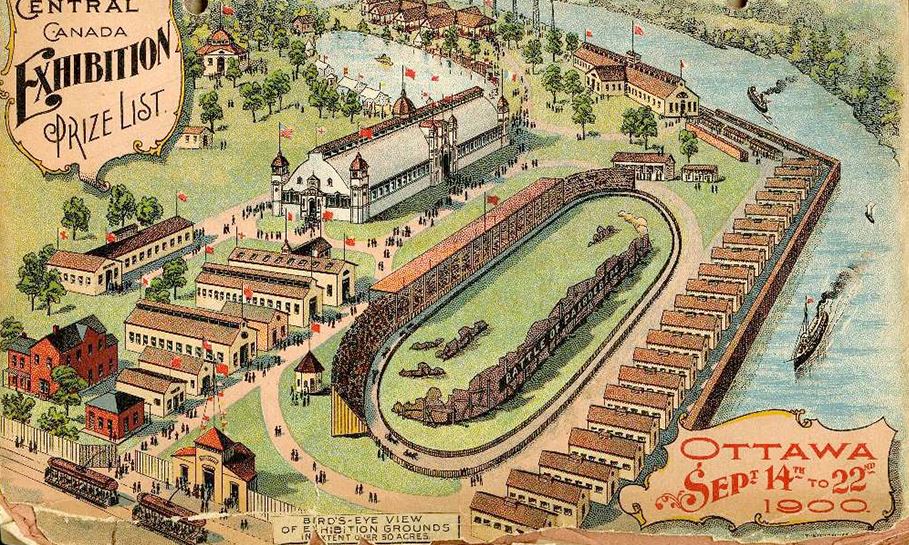
There was once, however, another grand exhibition held in the country's capital, Ottawa. The Central Canada Exhibition (CCE), more commonly known as the SuperEx, was essentially the CNE's equivalent, but for Eastern Canada. The CCE was held at Lansdowne Park during the last two weeks of August, annually since 1888, up until 2011. The illustrated graphic of the CCE from 1900 shows the busyness of Lansdowne Park as an exhibition site with the many buildings spread across the land. One of Lansdowne Park's most prominent landmarks is the Aberdeen Pavilion, which has housed many events including the CCE in Ottawa since its erection. The pavilion played a role in the CCE as a space for people to "getaway" and have fun with the rest of the community.
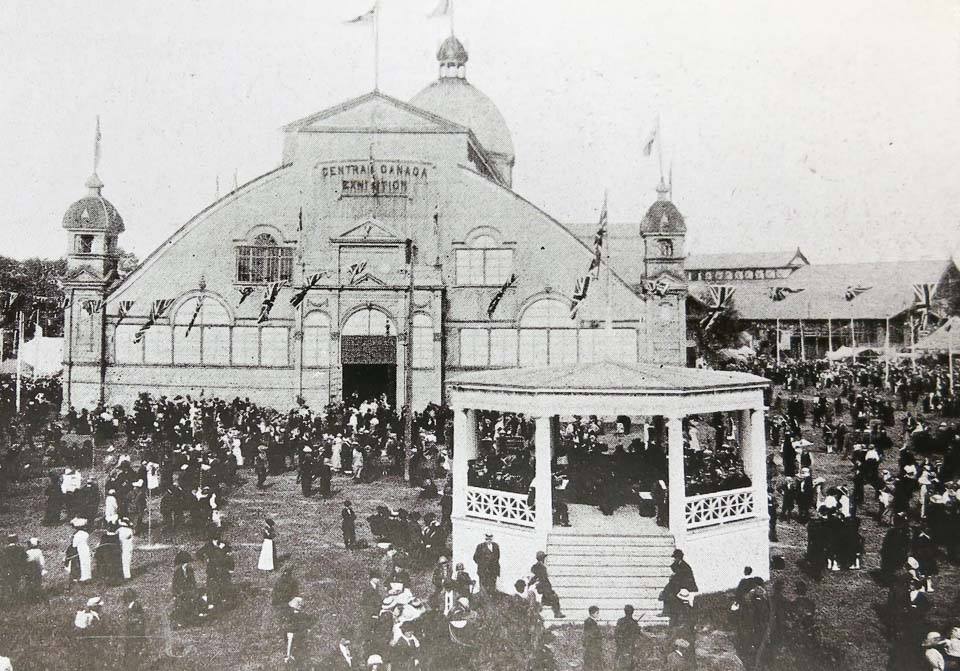
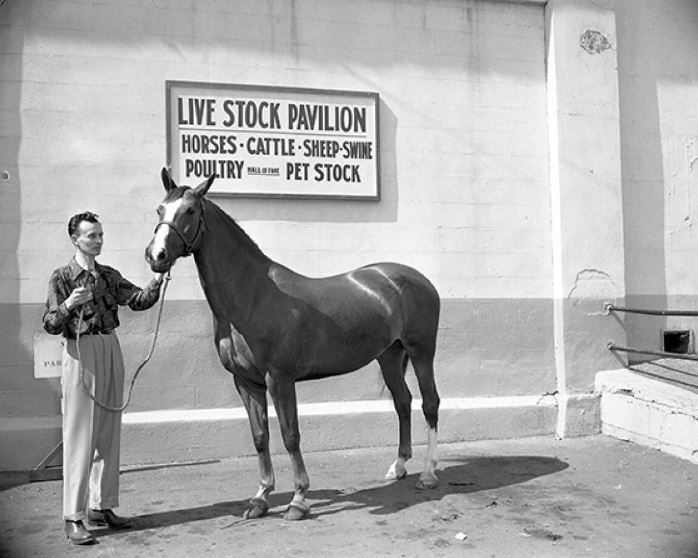
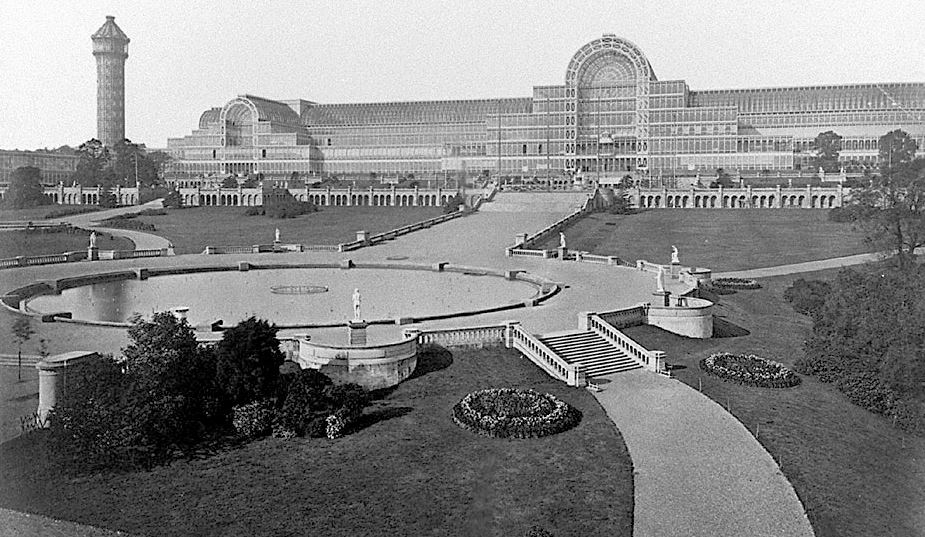
Constructed in 1898, Aberdeen Pavilion was initially intended to serve as an exhibition site for trade shows and livestock displays. Because its main purpose was to host the agricultural fair, and after the CCE transferred the animal showcase to the pavilion in 1972, the Pavilion earned another nickname: "Cattle Castle." It was, however, also known as the Manufacturers' Building, where it functioned as a display hall during the CCE. The pavilion was designed by Ottawa architect Moses C. Edey, and was named after the Governor General, Earl of Aberdeen. Edey was inspired by Joseph Paxton's Crystal Palace, the grand exhibition hall that hosted the Great Exhibition (or London Expo) in 1851. The Great Exhibition was created following the Industrial Revolution as an opportunity for different countries to present their own advancements but mainly to encourage trade and establish British superiority.
Just as the Crystal Palace served as a home to the world's greatest accomplishments at the time, Aberdeen Pavilion was Canada's site for their own displays. The Crystal Palace was constructed with iron and glass, and the Aberdeen Pavilion's surface resembles the Crystal Palace. However, the Aberdeen Pavilion uses steel and pressed metal. While both sites' initial functions were to host exhibitions, they both embody their own unique features and histories.
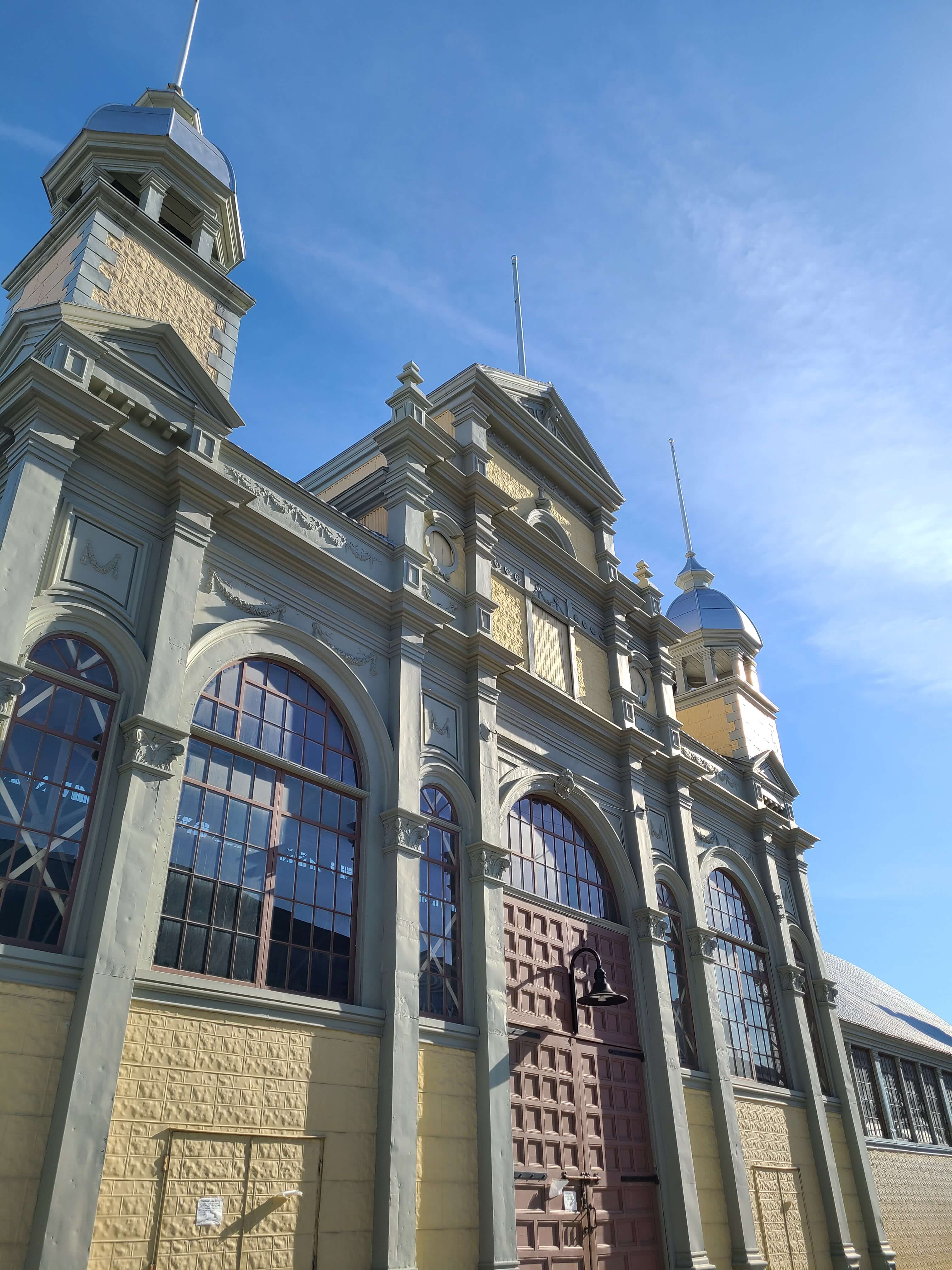
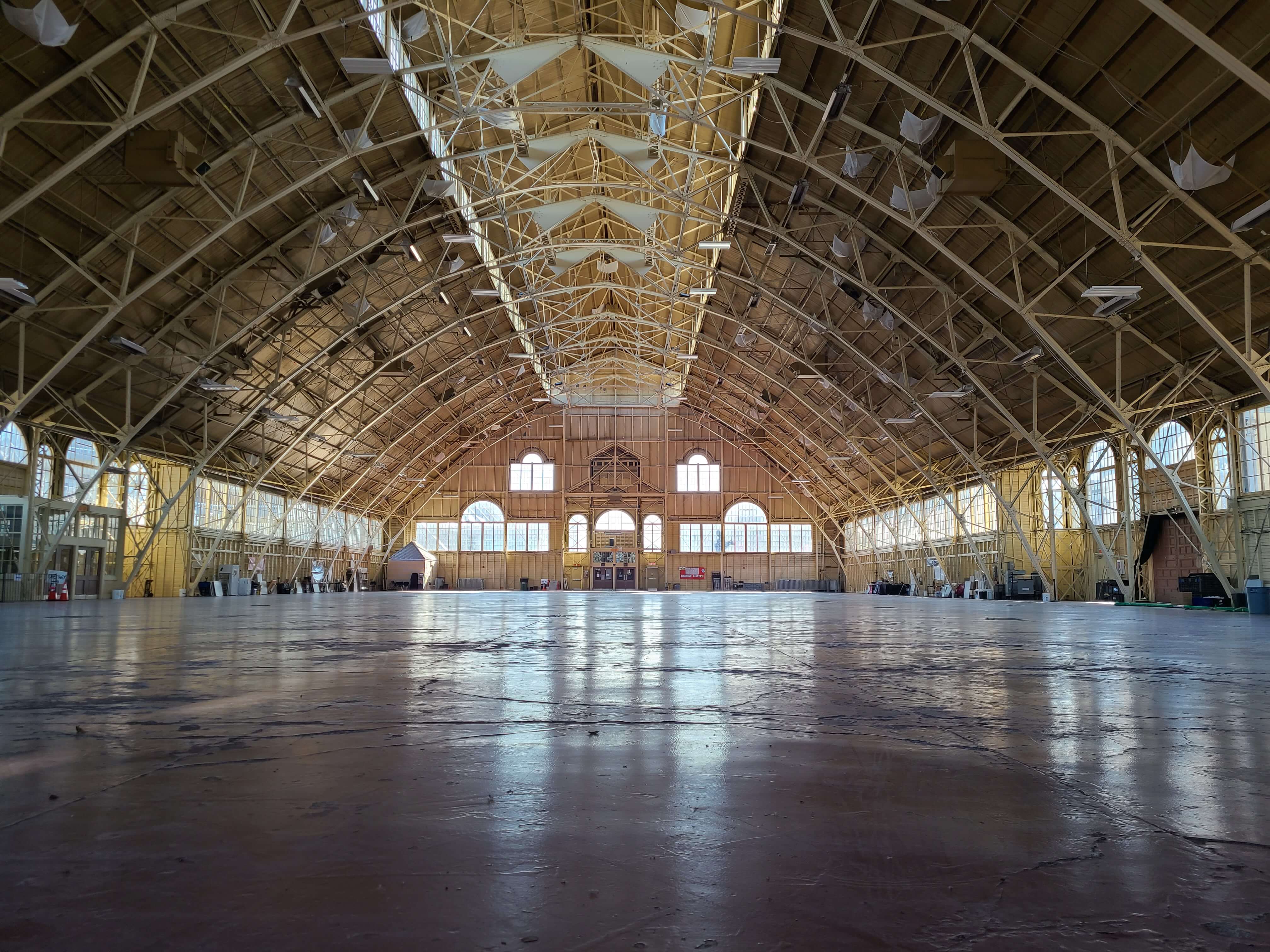
Aberdeen Pavilion's hall measures at a width of forty metres, a length of ninety-four, and reaches a height of twenty-two. As the largest column-free structure in the city, it is topped with a gable roofed skylight and a massive octagonal dome, crowned with a cupola and flagpole. As a large-scale exhibition building of the 19th-century, noteworthy elements of Aberdeen Pavilion include its lightweight and innovative use of structural steel covered with pressed metal and glass, as well as its large, uninterrupted interior suitable for the exhibitions it held for years after. Its architectural decorations include a dome decorated with swags and garlands, classical details, corner towers, and a curved roof with monitor windows. Although the classical massive exterior of the Aberdeen Pavilion embodies the strength and pride our country embraces, it masks the lightweight and airy feeling felt by the large volume interior.