Thanks for your patience during our recent outage at scalar.usc.edu. While Scalar content is loading normally now, saving is still slow, and Scalar's 'additional metadata' features have been disabled, which may interfere with features like timelines and maps that depend on metadata. This also means that saving a page or media item will remove its additional metadata. If this occurs, you can use the 'All versions' link at the bottom of the page to restore the earlier version. We are continuing to troubleshoot, and will provide further updates as needed. Note that this only affects Scalar projects at scalar.usc.edu, and not those hosted elsewhere.
ADHD: Alternative Treatments
Main Menu
ADHD: The Fact and the Fiction
This project is intended to make connections between media portrayals of ADHD and their impacts on alternative treatments such as neurofeedback, behavioral therapy, parent training, and diet-alteration therapy.
Common Misconceptions
How YOU Can Avoid Parent Shaming
This page is designed to promote an active learning style for parents to avoid feeling shamed by media surrounding ADHD. The media often uses fear and anxiety to shame parents into trying treatments they are not comfortable with or spreading false information. I will teach you how to spot these things and avoid them!
Neurofeedback
Behavior Therapy
Behavior therapy is the most common alternative treatment for ADHD. It is currently recommended as a supplement to drugs but some parents believe that this treatment alone may be just as effective as a supplementation.
Parent Training
Diet Restriction
Diet restrictions are gaining popularity as an alternative treatment for ADHD. The Feingold Diet has stood out as a diet that improves behavioral issues with manipulation of diet.
About Me
Katy McCarthy
52d4dc2d6cf99de1642c9855dd2bae6c30ec3e42
ADHD Medications
1 media/ADHD meds.jpg 2017-04-21T12:08:09-07:00 Katy McCarthy 52d4dc2d6cf99de1642c9855dd2bae6c30ec3e42 16394 10 Today, the use of ADHD medications such as Ritalin and Adderall is still the most popular treatment method for ADHD. Let's explore the adverse side effects of the medications, which are a reason alternative treatments have been gaining more attention recently. plain 2017-04-22T20:57:17-07:00 Katy McCarthy 52d4dc2d6cf99de1642c9855dd2bae6c30ec3e42Page
| resource | rdf:resource | https://scalar.usc.edu/works/adhd/adhd-medications |
| type | rdf:type | http://scalar.usc.edu/2012/01/scalar-ns#Composite |
| is live | scalar:isLive | 1 |
| background | scalar:background | media/ADHD meds.jpg |
| was attributed to | prov:wasAttributedTo | https://scalar.usc.edu/works/adhd/users/17944 |
| created | dcterms:created | 2017-04-21T12:08:09-07:00 |
Version 10
| resource | rdf:resource | https://scalar.usc.edu/works/adhd/adhd-medications.10 |
| versionnumber | ov:versionnumber | 10 |
| title | dcterms:title | ADHD Medications |
| description | dcterms:description | Today, the use of ADHD medications such as Ritalin and Adderall is still the most popular treatment method for ADHD. Let's explore the adverse side effects of the medications, which are a reason alternative treatments have been gaining more attention recently. |
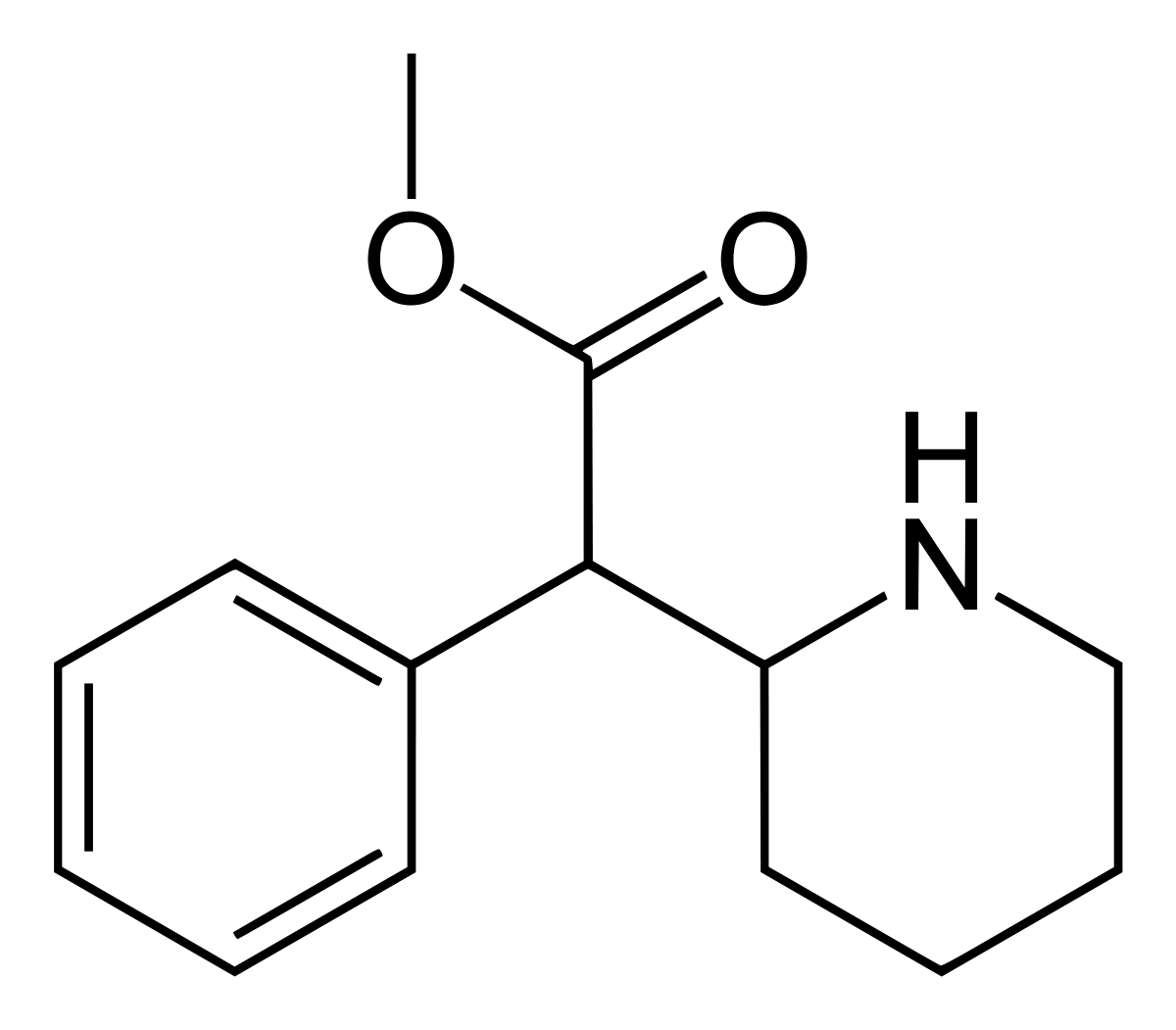
| content | sioc:content | One proposed theory for the cause of ADHD is that a person is experiencing a decrease in their dopamine levels. Since dopamine acts as a neurotransmitter, a chemical message, low levels cause someone to lack important active connections in the brain. The lack of dopamine means that there is a lack of strong connections in the brain, which according to this theory is causing someone to act out, or be hyperactive, or display a number of symptoms associated with ADHD. ADHD medications work to effect the chemistry of the body by blocking dopamine receptors so there is more circulating in the body and reinforcing important neural circuits in the brain. For this reason these medications fall into the category of stimulant drugs, because they excite the brain and Central Nervous System. As a result a person may feel more awake, have an elevated mood, and a decrease in appetite. Mainly, there are two types of molecules are used to achieve this; amphetamine, which is the stimulant component in Adderall, and methylphenidate, which is the active component in Ritalin and Concerta. |
| default view | scalar:defaultView | plain |
| was attributed to | prov:wasAttributedTo | https://scalar.usc.edu/works/adhd/users/17944 |
| created | dcterms:created | 2017-04-22T20:57:17-07:00 |
| type | rdf:type | http://scalar.usc.edu/2012/01/scalar-ns#Version |

Version 9
| resource | rdf:resource | https://scalar.usc.edu/works/adhd/adhd-medications.9 |
| versionnumber | ov:versionnumber | 9 |
| title | dcterms:title | ADHD Medications |
| description | dcterms:description | Today, the use of ADHD medications such as Ritalin and Adderall is still the most popular treatment method for ADHD. Let's explore the adverse side effects of the medications, which are a reason alternative treatments have been gaining more attention recently. |
| content | sioc:content | One proposed theory for the cause of ADHD is that a person is experiencing a decrease in their dopamine levels. Since dopamine acts as a neurotransmitter, a chemical message, low levels cause someone to lack important active connections in the brain. The lack of dopamine means that there is a lack of strong connections in the brain, which according to this theory is causing someone to act out, or be hyperactive, or display a number of symptoms associated with ADHD. ADHD medications work to effect the chemistry of the body by blocking dopamine receptors so there is more circulating in the body and reinforcing important neural circuits in the brain. For this reason these medications fall into the category of stimulant drugs, because they excite the brain and Central Nervous System. As a result a person may feel more awake, have an elevated mood, and a decrease in appetite. Mainly, there are two types of molecules are used to achieve this; amphetamine, which is the stimulant component in Adderall, and methylphenidate, which is the active component in Ritalin and Concerta. |
| default view | scalar:defaultView | plain |
| was attributed to | prov:wasAttributedTo | https://scalar.usc.edu/works/adhd/users/17944 |
| created | dcterms:created | 2017-04-22T07:15:28-07:00 |
| type | rdf:type | http://scalar.usc.edu/2012/01/scalar-ns#Version |
Version 8
| resource | rdf:resource | https://scalar.usc.edu/works/adhd/adhd-medications.8 |
| versionnumber | ov:versionnumber | 8 |
| title | dcterms:title | ADHD Medications |
| description | dcterms:description | Today, the use of ADHD medications such as Ritalin and Adderall is still the most popular treatment method for ADHD. Let's explore the adverse side effects of the medications, which are a reason alternative treatments have been gaining more attention recently. |
| content | sioc:content | One proposed theory for the cause of ADHD is that a person is experiencing a depletion of their dopamine levels. Since dopamine acts as a neurotransmitter, a chemical message, low levels cause someone to lack important active connections in the brain. The lack of dopamine means that there is a lack of strong connections in the brain, which is in this theory is causing someone to act out or be hyperactive. ADHD medications work to effect the chemistry of the body by blocking dopamine receptors so there is more circulating in the body and reinforcing important neural circuits in the brain. For this reason these medications fall into the category of stimulant drugs. because they excite the brain and Central Nervous System. As a result a person may feel more awake, have an elevated mood, and a decrease in appetite. Two types of molecules are used to achieve this; amphetamine, which is the stimulant component in Adderall, and methylphenidate, which is the active component in Ritalin and Concerta. |
| default view | scalar:defaultView | plain |
| was attributed to | prov:wasAttributedTo | https://scalar.usc.edu/works/adhd/users/17944 |
| created | dcterms:created | 2017-04-22T00:04:19-07:00 |
| type | rdf:type | http://scalar.usc.edu/2012/01/scalar-ns#Version |
Version 7
| resource | rdf:resource | https://scalar.usc.edu/works/adhd/adhd-medications.7 |
| versionnumber | ov:versionnumber | 7 |
| title | dcterms:title | ADHD Medications |
| description | dcterms:description | Today, the use of ADHD medications such as Ritalin and Adderall is still the most popular treatment method for ADHD. Let's explore the adverse side effects of the medications, which are a reason alternative treatments have been gaining more attention recently. |
| content | sioc:content | One proposed theory for the cause of ADHD is that a person is experiencing a depletion of their dopamine levels. Since dopamine acts as a neurotransmitter, a chemical message, low levels cause someone to lack important active connections in the brain. The lack of dopamine means that there is a lack of strong connections in the brain, which is in this theory is causing someone to act out or be hyperactive. ADHD medications work to effect the chemistry of the body by blocking dopamine receptors so there is more circulating in the body and reinforcing important neural circuits in the brain. For this reason these medications fall into the category of stimulant drugs. because they excite the brain and Central Nervous System. As a result a person may feel more awake, have an elevated mood, and a decrease in appetite. Two types of molecules are used to achieve this; amphetamine, which is the stimulant component in Adderall, and methylphenidate, which is the active component in Ritalin and Concerta. |
| default view | scalar:defaultView | plain |
| was attributed to | prov:wasAttributedTo | https://scalar.usc.edu/works/adhd/users/17944 |
| created | dcterms:created | 2017-04-22T00:02:16-07:00 |
| type | rdf:type | http://scalar.usc.edu/2012/01/scalar-ns#Version |
Version 6
| resource | rdf:resource | https://scalar.usc.edu/works/adhd/adhd-medications.6 |
| versionnumber | ov:versionnumber | 6 |
| title | dcterms:title | ADHD Medications |
| description | dcterms:description | Today, the use of ADHD medications such as Ritalin and Adderall is still the most popular treatment method for ADHD. Let's explore the adverse side effects of the medications, which are a reason alternative treatments have been gaining more attention recently. |
| content | sioc:content | One proposed theory for the cause of ADHD is that a person is experiencing a depletion of their dopamine levels. Since dopamine acts as a neurotransmitter, a chemical message, low levels cause someone to lack important active connections in the brain. The lack of dopamine means that there is a lack of strong connections in the brain, which is in this theory is causing someone to act out or be hyperactive. ADHD medications work to effect the chemistry of the body by blocking dopamine receptors so there is more circulating in the body and reinforcing important neural circuits in the brain. Two types of molecules are used to achieve this; amphetamine as in Adderall, and methylphenidate as in Ritalin and Concerta. |
| default view | scalar:defaultView | plain |
| was attributed to | prov:wasAttributedTo | https://scalar.usc.edu/works/adhd/users/17944 |
| created | dcterms:created | 2017-04-21T23:56:49-07:00 |
| type | rdf:type | http://scalar.usc.edu/2012/01/scalar-ns#Version |
Version 5
| resource | rdf:resource | https://scalar.usc.edu/works/adhd/adhd-medications.5 |
| versionnumber | ov:versionnumber | 5 |
| title | dcterms:title | ADHD Medications |
| description | dcterms:description | Today, the use of ADHD medications such as Ritalin and Adderall is still the most popular treatment method for ADHD. Let's explore the adverse side effects of the medications, which are a reason alternative treatments have been gaining more attention recently. |
| content | sioc:content | One proposed theory for the cause of ADHD is that a person is experiencing a depletion of their dopamine levels. Since dopamine acts as a neurotransmitter, a chemical message, low levels cause someone to lack important active connections in the brain. The lack of dopamine means that there is a lack of strong connections in the brain, which is in this theory is causing someone to act out or be hyperactive. ADHD medications work to effect the chemistry of the body by blocking dopamine receptors so there is more circulating in the body and reinforcing important neural circuits in the brain. Two types of molecules are used to achieve this; amphetamine as in Adderall, and methylphenidate as in Ritalin and Concerta. |
| default view | scalar:defaultView | plain |
| was attributed to | prov:wasAttributedTo | https://scalar.usc.edu/works/adhd/users/17944 |
| created | dcterms:created | 2017-04-21T23:04:00-07:00 |
| type | rdf:type | http://scalar.usc.edu/2012/01/scalar-ns#Version |
Version 4
| resource | rdf:resource | https://scalar.usc.edu/works/adhd/adhd-medications.4 |
| versionnumber | ov:versionnumber | 4 |
| title | dcterms:title | ADHD Medications |
| description | dcterms:description | Today, the use of ADHD medications such as Ritalin and Adderall is still the most popular treatment method for ADHD. Let's explore the adverse side effects of the medications, which are a reason alternative treatments have been gaining more attention recently. |
| content | sioc:content | One proposed theory for the cause of ADHD is that a person is experiencing a depletion of their dopamine levels. Since dopamine acts as a neurotransmitter, a chemical message, low levels cause someone to lack important active connections in the brain. The lack of strong connections in the brain is what is in this theory is causing someone to act out or be hyperactive. ADHD medications work to effect the chemistry of the body by blocking dopamine receptors so there is more circulating in the body and reinforcing important neural circuits in the brain. Two types of molecules are used to achieve this; amphetamine as in Adderall, and methylphenidate as in Ritalin and Concerta. |
| default view | scalar:defaultView | plain |
| was attributed to | prov:wasAttributedTo | https://scalar.usc.edu/works/adhd/users/17944 |
| created | dcterms:created | 2017-04-21T23:02:56-07:00 |
| type | rdf:type | http://scalar.usc.edu/2012/01/scalar-ns#Version |
Version 3
| resource | rdf:resource | https://scalar.usc.edu/works/adhd/adhd-medications.3 |
| versionnumber | ov:versionnumber | 3 |
| title | dcterms:title | ADHD Medications |
| description | dcterms:description | Today, the use of ADHD medications such as Ritalin and Adderall is still the most popular treatment method for ADHD. Let's explore the adverse side effects of the medications, which are a reason alternative treatments have been gaining more attention recently. |
| content | sioc:content | One proposed theory for the cause of ADHD is that a person is experiencing a depletion of their dopamine levels. Since dopamine acts as a neurotransmitter, a chemical message, low levels cause someone to lack important active connections in the brain. The lack of strong connections in the brain is what is in this theory is causing someone to act out or be hyperactive. ADHD medications work to effect the chemistry of the body by blocking dopamine receptors so there is more circulating in the body and reinforcing important neural circuits in the brain. Two types of molecules are used to achieve this; amphetamine as in Adderall, and methylphenidate as in Ritalin and Concerta. |
| default view | scalar:defaultView | plain |
| was attributed to | prov:wasAttributedTo | https://scalar.usc.edu/works/adhd/users/17944 |
| created | dcterms:created | 2017-04-21T23:02:25-07:00 |
| type | rdf:type | http://scalar.usc.edu/2012/01/scalar-ns#Version |
Version 2
| resource | rdf:resource | https://scalar.usc.edu/works/adhd/adhd-medications.2 |
| versionnumber | ov:versionnumber | 2 |
| title | dcterms:title | ADHD Medications |
| default view | scalar:defaultView | plain |
| was attributed to | prov:wasAttributedTo | https://scalar.usc.edu/works/adhd/users/17944 |
| created | dcterms:created | 2017-04-21T22:17:46-07:00 |
| type | rdf:type | http://scalar.usc.edu/2012/01/scalar-ns#Version |
Version 1
| resource | rdf:resource | https://scalar.usc.edu/works/adhd/adhd-medications.1 |
| versionnumber | ov:versionnumber | 1 |
| title | dcterms:title | ADHD Medications |
| default view | scalar:defaultView | plain |
| was attributed to | prov:wasAttributedTo | https://scalar.usc.edu/works/adhd/users/17944 |
| created | dcterms:created | 2017-04-21T12:08:09-07:00 |
| type | rdf:type | http://scalar.usc.edu/2012/01/scalar-ns#Version |