About Beverly-Fairfax
1 2018-01-15T19:14:52-08:00 Max Baumgarten 3ce5635a69ccb5339e9481dc4536fc0caff14cd2 220 19 plain 2018-05-20T19:08:38-07:00 Max Baumgarten 3ce5635a69ccb5339e9481dc4536fc0caff14cd2Page
| resource | rdf:resource | https://scalar.usc.edu/hc/fairmax-project/about-beverly-fairfax |
| type | rdf:type | http://scalar.usc.edu/2012/01/scalar-ns#Composite |
| is live | scalar:isLive | 1 |
| custom style | scalar:customStyle | .body_copy { max-width: 1050px; padding-left: 7.2rem; padding-right: 7.2rem; } |
| was attributed to | prov:wasAttributedTo | https://scalar.usc.edu/hc/fairmax-project/users/210 |
| created | dcterms:created | 2018-01-15T19:14:52-08:00 |
Version 19
| resource | rdf:resource | https://scalar.usc.edu/hc/fairmax-project/about-beverly-fairfax.19 |
| versionnumber | ov:versionnumber | 19 |
| title | dcterms:title | About Beverly-Fairfax |
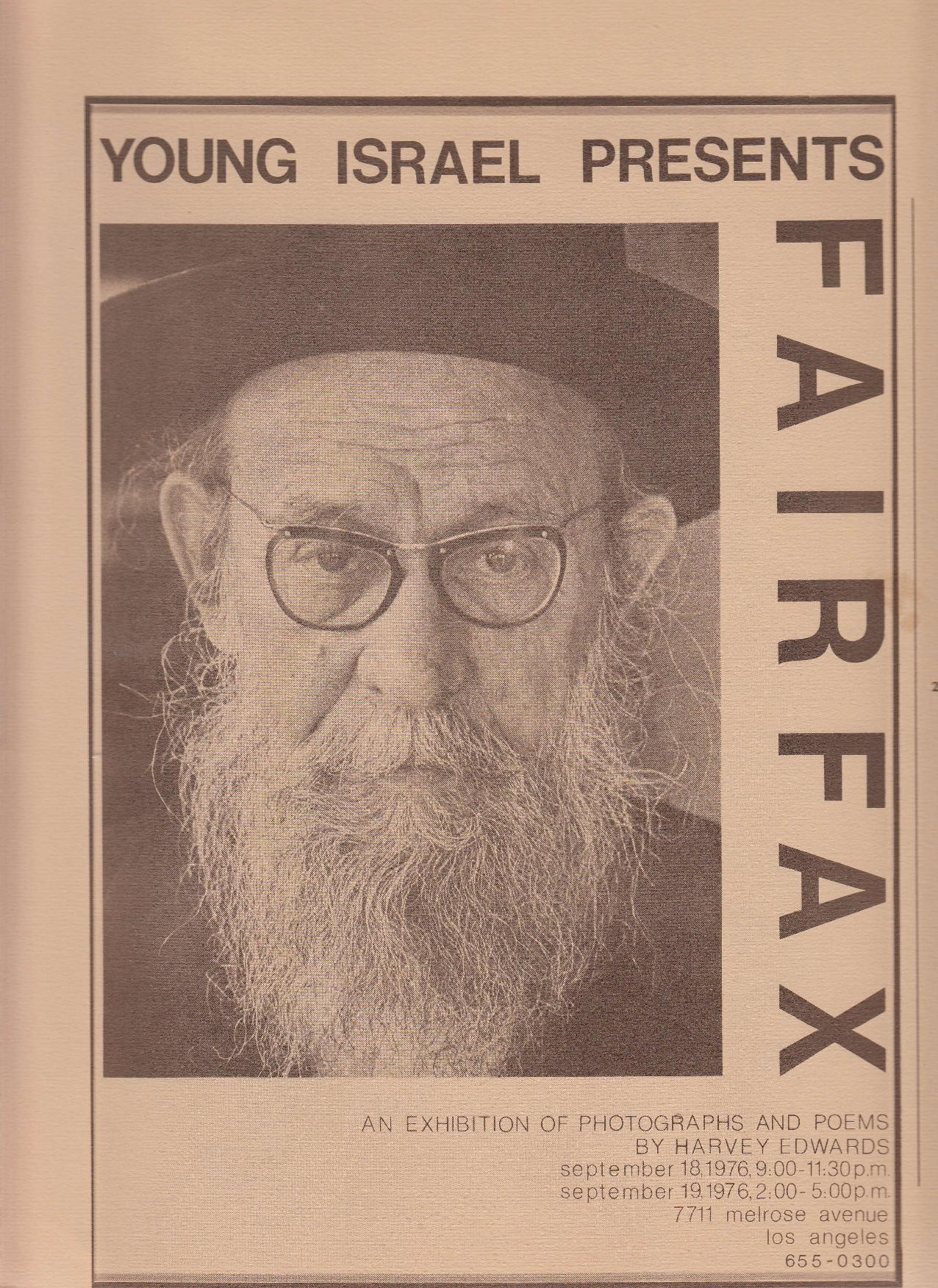
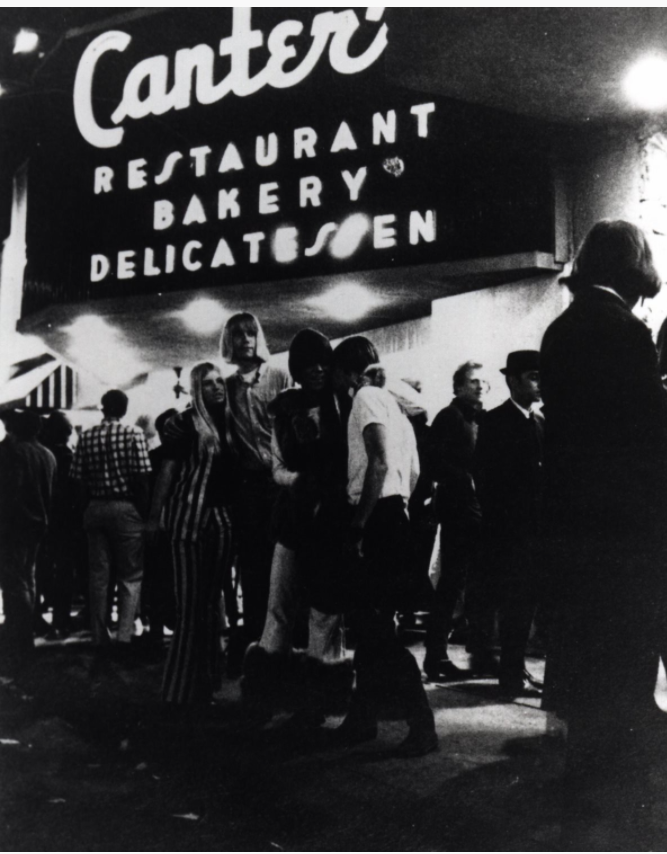
| content | sioc:content | In Search of Fairfax” explores the history of Beverly-Fairfax, a mid-city neighborhood that the Los Angeles Times has described as “the symbolic focus of Jewish life in Los Angeles,” “the city’s cultural ‘Little Israel,’” “the most Jewish stretch of pavement in Los Angeles,” and the “emotional center of Jewish life in Los Angeles.” While consistently boasting the highest concentration of Jewish residents throughout Los Angeles and a plethora of schools, religious institutions, social clubs, and storefronts that chiefly catered to Jews throughout the latter half of the 20th century, the neighborhood attracted an array of Jewish and non-Jewish micro-communities and subcultures. These included: upwardly mobile Jewish migrants from Chicago and New York City; lower middle class Jews who relocated from Boyle Heights; Holocaust survivors and Soviet Jews who resettled there with the help of local aid organizations; Middle Eastern and Mediterranean Jewish immigrants; Chabadnics; Vietnamese refugees; middle class African American families; and counterculture artists and activists. Throughout most of the project, I refer to the neighborhood under consideration as "Beverly-Fairfax," not the "Fairfax District." The reasons for this are historical: the sources that I came across from the 1950s through the 1980s typically refer to the area as the "Beverly-Fairfax" neighborhood. This Google N-Gram chart reinforces this point: during the latter half of the twentieth century, "Beverly-Fairfax" was used with more frequency than "Fairfax District." It was only starting in the 1990s that the term "Fairfax District" began to appear with more frequency. When appropriate, I refer to the neighborhood as the "Fairfax District." (The name of the neighborhood continues to evolve: the Los Angeles Times' recent Mapping L.A. project divides the area under consideration into two -- Fairfax and Beverly Grove.) Also relevant, distinct maps and descriptions provide different boundaries for the Beverly-Fairfax neighborhood. For the purposes of this study, I will use the boundaries that the Vitalize Fairfax project employed--from Wilshire Boulevard north to Santa Monica Boulevard, from La Brea Boulevard to La Cienega Boulevard. For those interested in learning about the different ways in which various sources have defined the borders and boundaries for the Fairfax neighborhood, refer to the Fairfax Maps Resource Guide. |
| default view | scalar:defaultView | plain |
| was attributed to | prov:wasAttributedTo | https://scalar.usc.edu/hc/fairmax-project/users/210 |
| created | dcterms:created | 2018-05-20T19:08:38-07:00 |
| type | rdf:type | http://scalar.usc.edu/2012/01/scalar-ns#Version |
Version 18
| resource | rdf:resource | https://scalar.usc.edu/hc/fairmax-project/about-beverly-fairfax.18 |
| versionnumber | ov:versionnumber | 18 |
| title | dcterms:title | About Beverly-Fairfax |
| content | sioc:content | In Search of Fairfax” explores the history of Beverly-Fairfax, a mid-city neighborhood that the Los Angeles Times has described as “the symbolic focus of Jewish life in Los Angeles,” “the city’s cultural ‘Little Israel,’” “the most Jewish stretch of pavement in Los Angeles,” and the “emotional center of Jewish life in Los Angeles.” While consistently boasting the highest concentration of Jewish residents throughout Los Angeles and a plethora of schools, religious institutions, social clubs, and storefronts that chiefly catered to Jews throughout the latter half of the 20th century, the neighborhood attracted an array of Jewish and non-Jewish micro-communities and subcultures. These included: upwardly mobile Jewish migrants from Chicago and New York City; lower middle class Jews who relocated from Boyle Heights; Holocaust survivors and Soviet who resettled there with the help of local aid organizations; Middle Eastern and Mediterranean Jewish immigrants; Chabadnics; Vietnamese refugees; middle class African American families; and counterculture artists and activists. Throughout most of the project, I refer to the neighborhood under consideration as "Beverly-Fairfax," not the "Fairfax District." The reasons for this are historical: the sources that I came across from the 1950s through the 1980s typically refer to the area as the "Beverly-Fairfax" neighborhood. This Google N-Gram chart reinforces this point: during the latter half of the twentieth century, "Beverly-Fairfax" was used with more frequency than "Fairfax District." It was only starting in the 1990s that the term "Fairfax District" began to appear with more frequency. When appropriate, I refer to the neighborhood as the "Fairfax District." (The name of the neighborhood continues to evolve: the Los Angeles Times' recent Mapping L.A. project divides the area under consideration into two -- Fairfax and Beverly Grove.) Also relevant, distinct maps and descriptions provide different boundaries for the Beverly-Fairfax neighborhood. For the purposes of this study, I will use the boundaries that the Vitalize Fairfax project employed--from Wilshire Boulevard north to Santa Monica Boulevard, from La Brea Boulevard to La Cienega Boulevard. For those interested in learning about the different ways in which various sources have defined the borders and boundaries for the Fairfax neighborhood, refer to the Fairfax Maps Resource Guide. |
| default view | scalar:defaultView | plain |
| was attributed to | prov:wasAttributedTo | https://scalar.usc.edu/hc/fairmax-project/users/204 |
| created | dcterms:created | 2018-04-30T22:09:07-07:00 |
| type | rdf:type | http://scalar.usc.edu/2012/01/scalar-ns#Version |
Version 17
| resource | rdf:resource | https://scalar.usc.edu/hc/fairmax-project/about-beverly-fairfax.17 |
| versionnumber | ov:versionnumber | 17 |
| title | dcterms:title | About Beverly-Fairfax |
| content | sioc:content | In Search of Fairfax” explores the history of Beverly-Fairfax, a mid-city neighborhood that the Los Angeles Times has described as “the symbolic focus of Jewish life in Los Angeles,” “the city’s cultural ‘Little Israel,’” “the most Jewish stretch of pavement in Los Angeles,” and the “emotional center of Jewish life in Los Angeles.” While consistently boasting the highest concentration of Jewish residents throughout Los Angeles and a plethora of schools, religious institutions, social clubs, and storefronts that chiefly catered to Jews throughout the latter half of the 20th century, the neighborhood attracted an array of Jewish and non-Jewish micro-communities and subcultures. This included: upwardly mobile Jewish migrants from Chicago and New York City; lower middle class Jews who relocated from Boyle Heights; Holocaust survivors and Soviet who resettled there with the help of local aid organizations; Middle Eastern and Mediterranean Jewish immigrants; Chabadnics; Vietnamese refugees; middle class African American families; and counterculture artists and activists. A few caveats about the methodology and the terminology employed throughout. Throughout most of the project, I refer to the neighborhood under consideration as "Beverly-Fairfax," not the "Fairfax District." The reasons for this are historical: the sources that I came across from the 1950s through the 1980s typically refer to the area as the "Beverly-Fairfax" neighborhood. This Google N-Gram chart reinforces this point: during the latter half of the twentieth century, "Beverly-Fairfax" was used with more frequency than "Fairfax District." It was only starting in the 1990s that the term "Fairfax District" began to appear with more frequency. When appropriate, I refer to the neighborhood as the "Fairfax District." (The name of the neighborhood continues to evolve: the Los Angeles Times' recent Mapping L.A. project divides the area under consideration into two -- Fairfax and Beverly Grove.) Also relevant, distinct maps and descriptions provide different boundaries for the Beverly-Fairfax neighborhood. For the purposes of this study, I will use the boundaries that the Vitalize Fairfax project employed--from Wilshire Boulevard north to Santa Monica Boulevard, from La Brea Boulevard to La Cienega Boulevard. For those interested in learning about the different ways in which various sources have defined the borders and boundaries for the Fairfax neighborhood, refer to the Fairfax Maps Resource Guide. |
| default view | scalar:defaultView | plain |
| was attributed to | prov:wasAttributedTo | https://scalar.usc.edu/hc/fairmax-project/users/204 |
| created | dcterms:created | 2018-04-30T22:07:57-07:00 |
| type | rdf:type | http://scalar.usc.edu/2012/01/scalar-ns#Version |
Version 16
| resource | rdf:resource | https://scalar.usc.edu/hc/fairmax-project/about-beverly-fairfax.16 |
| versionnumber | ov:versionnumber | 16 |
| title | dcterms:title | About Beverly-Fairfax |
| content | sioc:content | In Search of Fairfax” explores the history of Beverly-Fairfax, a mid-city neighborhood that the Los Angeles Times has described as “the symbolic focus of Jewish life in Los Angeles,” “the city’s cultural ‘Little Israel,’” “the most Jewish stretch of pavement in Los Angeles,” and the “emotional center of Jewish life in Los Angeles.” While consistently boasting the highest concentration of Jewish residents throughout Los Angeles and a plethora of schools, religious institutions, social clubs, and storefronts that chiefly catered to Jews throughout the latter half of the 20th Century, the neighborhood attracted an array of Jewish and non-Jewish micro-communities and subcultures. This entailed upwardly mobile Jewish migrants from Chicago and New York City, lower middle class Jews from Boyle Heights, Holocaust survivors, Soviet and Middle Eastern Jewish immigrants, Chabadnics, Vietnamese refugees, middle class African American families, students attending Fairfax High School, as well as counterculture artists and activists. A few caveats about the methodology and the terminology employed throughout. Throughout most of the project, I refer to the neighborhood under consideration as "Beverly-Fairfax," not the "Fairfax District." The reasons for this are historical: the sources that I came across from the 1950s through the 1980s typically refer to the area as the "Beverly-Fairfax" neighborhood. This Google N-Gram chart reinforces this point: during the latter half of the twentieth century, "Beverly-Fairfax" was used with more frequency than "Fairfax District." It was only starting in the 1990s that the term "Fairfax District" began to appear with more frequency. When appropriate, I refer to the neighborhood as the "Fairfax District." (The name of the neighborhood continues to evolve: the Los Angeles Times' recent Mapping L.A. project divides the area under consideration into two -- Fairfax and Beverly Grove.) Also relevant, distinct maps and descriptions provide different boundaries for the Beverly-Fairfax neighborhood. For the purposes of this study, I will use the boundaries that the Vitalize Fairfax project employed--from Wilshire Boulevard north to Santa Monica Boulevard, from La Brea Boulevard to La Cienega Boulevard. For those interested in learning about the different ways in which various sources have defined the borders and boundaries for the Fairfax neighborhood, refer to the Fairfax Maps Resource Guide. |
| default view | scalar:defaultView | plain |
| was attributed to | prov:wasAttributedTo | https://scalar.usc.edu/hc/fairmax-project/users/201 |
| created | dcterms:created | 2018-01-17T08:44:28-08:00 |
| type | rdf:type | http://scalar.usc.edu/2012/01/scalar-ns#Version |
Version 15
| resource | rdf:resource | https://scalar.usc.edu/hc/fairmax-project/about-beverly-fairfax.15 |
| versionnumber | ov:versionnumber | 15 |
| title | dcterms:title | About Beverly-Fairfax |
| content | sioc:content | In Search of Fairfax” explores the history of Beverly-Fairfax, a mid-city neighborhood that the Los Angeles Times has described as “the symbolic focus of Jewish life in Los Angeles,” “the city’s cultural ‘Little Israel,’” “the most Jewish stretch of pavement in Los Angeles,” and the “emotional center of Jewish life in Los Angeles.” While consistently boasting the highest concentration of Jewish residents throughout Los Angeles and a plethora of schools, religious institutions, social clubs, and storefronts that chiefly catered to Jews throughout the latter half of the 20th Century, the neighborhood attracted an array of Jewish and non-Jewish micro-communities and subcultures. This entailed upwardly mobile Jewish migrants from Chicago and New York City, lower middle class Jews from Boyle Heights, Holocaust survivors, Soviet and Middle Eastern Jewish immigrants, Chabadnics, Vietnamese refugees, middle class African American families, students attending Fairfax High School, as well as counterculture artists and activists. A few caveats about the methodology and the terminology employed throughout. Throughout most of the project, I refer to the neighborhood under consideration as "Beverly-Fairfax," not the "Fairfax District." The reasons for this are historical: the sources that I came across from the 1950s through the 1980s typically refer to the area as the "Beverly-Fairfax" neighborhood. This Google N-Gram chart reinforces this point: during the latter half of the twentieth century, "Beverly-Fairfax" was used with more frequency than "Fairfax District." It was only starting in the 1990s that the term "Fairfax District" began to appear with more frequency. When appropriate, I refer to the neighborhood as the "Fairfax District." (The name of the neighborhood continues to evolve: the Los Angeles Times' recent Mapping L.A. project divides the area under consideration into two -- Fairfax and Beverly Grove.) Also relevant, distinct maps and descriptions provide different boundaries for the Beverly-Fairfax neighborhood. For the purposes of this study, I will use the boundaries that the Vitalize Fairfax project employed--from Wilshire Boulevard north to Santa Monica Boulevard, from La Brea Boulevard to La Cienega Boulevard. For those interested in learning about the different ways in which various sources have defined the borders and boundaries for the Fairfax neighborhood, refer to the Fairfax Maps Resource Guide. |
| default view | scalar:defaultView | plain |
| was attributed to | prov:wasAttributedTo | https://scalar.usc.edu/hc/fairmax-project/users/201 |
| created | dcterms:created | 2018-01-17T08:43:55-08:00 |
| type | rdf:type | http://scalar.usc.edu/2012/01/scalar-ns#Version |
Version 14
| resource | rdf:resource | https://scalar.usc.edu/hc/fairmax-project/about-beverly-fairfax.14 |
| versionnumber | ov:versionnumber | 14 |
| title | dcterms:title | About Beverly-Fairfax |
| content | sioc:content | In Search of Fairfax” explores the history of Beverly-Fairfax, a mid-city neighborhood that the Los Angeles Times has described as “the symbolic focus of Jewish life in Los Angeles,” “the city’s cultural ‘Little Israel,’” “the most Jewish stretch of pavement in Los Angeles,” and the “emotional center of Jewish life in Los Angeles.” While consistently boasting the highest concentration of Jewish residents throughout Los Angeles and a plethora of schools, religious institutions, social clubs, and storefronts that chiefly catered to Jews throughout the latter half of the 20th Century, the neighborhood attracted an array of Jewish and non-Jewish micro-communities and subcultures. This entailed upwardly mobile Jewish migrants from Chicago and New York City, lower middle class Jews from Boyle Heights, Holocaust survivors, Soviet and Middle Eastern Jewish immigrants, Chabadnics, Vietnamese refugees, middle class African American families, students attending Fairfax High School, as well as counterculture artists and activists. A few caveats about the methodology and the terminology employed throughout. Throughout most of the project, I refer to the neighborhood under consideration as "Beverly-Fairfax," not the "Fairfax District." The reasons for this are historical: the sources that I came across from the 1950s through the 1980s typically refer to the area as the "Beverly-Fairfax" neighborhood. This Google N-Gram chart reinforces this point: during the latter half of the twentieth century, "Beverly-Fairfax" was used with more frequency than "Fairfax District." It was only starting in the 1990s that the term "Fairfax District" began to appear with more frequency. When appropriate, I refer to the neighborhood as the "Fairfax District." (The name of the neighborhood continues to evolve: the Los Angeles Times' recent Mapping L.A. project divides the area under consideration into two -- Fairfax and Beverly Grove.) Also relevant, distinct maps and descriptions provide different boundaries for the Beverly-Fairfax neighborhood. For the purposes of this study, I will use the boundaries that the Vitalize Fairfax project employed--from Wilshire Boulevard north to Santa Monica Boulevard, from La Brea Boulevard to La Cienega Boulevard. For those interested in learning about the different ways in which various sources have defined the borders and boundaries for the Fairfax neighborhood, refer to the Fairfax Maps Resource Guide. |
| default view | scalar:defaultView | plain |
| was attributed to | prov:wasAttributedTo | https://scalar.usc.edu/hc/fairmax-project/users/210 |
| created | dcterms:created | 2018-01-15T19:33:03-08:00 |
| type | rdf:type | http://scalar.usc.edu/2012/01/scalar-ns#Version |
Version 13
| resource | rdf:resource | https://scalar.usc.edu/hc/fairmax-project/about-beverly-fairfax.13 |
| versionnumber | ov:versionnumber | 13 |
| title | dcterms:title | About Beverly-Fairfax |
| content | sioc:content | In Search of Fairfax” explores the history of Beverly-Fairfax, a mid-city neighborhood that the Los Angeles Times has described as “the symbolic focus of Jewish life in Los Angeles,” “the city’s cultural ‘Little Israel,’” “the most Jewish stretch of pavement in Los Angeles,” and the “emotional center of Jewish life in Los Angeles.” While consistently boasting the highest concentration of Jewish residents throughout Los Angeles and a plethora of schools, religious institutions, social clubs, and storefronts that chiefly catered to Jews throughout the latter half of the 20th Century, the neighborhood attracted an array of Jewish and non-Jewish micro-communities and subcultures: upwardly mobile Jewish migrants from Chicago and New York City, lower middle class Jews from Boyle Heights, Holocaust survivors, Soviet and Middle Eastern Jewish immigrants, Chabadnics, Vietnamese refugees, middle class African American families, students attending Fairfax High School, as well as counterculture artists and activists. A few caveats about the methodology and the terminology employed throughout. Throughout most of the project, I refer to the neighborhood under consideration as "Beverly-Fairfax," not the "Fairfax District." The reasons for this are historical: the sources that I came across from the 1950s through the 1980s typically refer to the area as the "Beverly-Fairfax" neighborhood. This Google N-Gram chart reinforces this point: during the latter half of the twentieth century, "Beverly-Fairfax" was used with more frequency than "Fairfax District." It was only starting in the 1990s that the term "Fairfax District" began to appear with more frequency. When appropriate, I refer to the neighborhood as the "Fairfax District." (The name of the neighborhood continues to evolve: the Los Angeles Times' recent Mapping L.A. project divides the area under consideration into two -- Fairfax and Beverly Grove.) Also relevant, distinct maps and descriptions provide different boundaries for the Beverly-Fairfax neighborhood. For the purposes of this study, I will use the boundaries that the Vitalize Fairfax project employed--from Wilshire Boulevard north to Santa Monica Boulevard, from La Brea Boulevard to La Cienega Boulevard. For those interested in learning about the different ways in which various sources have defined the borders and boundaries for the Fairfax neighborhood, refer to the Fairfax Maps Resource Guide. |
| default view | scalar:defaultView | plain |
| was attributed to | prov:wasAttributedTo | https://scalar.usc.edu/hc/fairmax-project/users/210 |
| created | dcterms:created | 2018-01-15T19:31:40-08:00 |
| type | rdf:type | http://scalar.usc.edu/2012/01/scalar-ns#Version |
Version 12
| resource | rdf:resource | https://scalar.usc.edu/hc/fairmax-project/about-beverly-fairfax.12 |
| versionnumber | ov:versionnumber | 12 |
| title | dcterms:title | About Beverly-Fairfax |
| content | sioc:content | In Search of Fairfax” explores the history of Beverly-Fairfax, a mid-city neighborhood that the Los Angeles Times has described as “the symbolic focus of Jewish life in Los Angeles,” “the city’s cultural ‘Little Israel,’” “the most Jewish stretch of pavement in Los Angeles,” and the “emotional center of Jewish life in Los Angeles.” While consistently boasting the highest concentration of Jewish residents throughout Los Angeles and a plethora of schools, religious institutions, social clubs, and storefronts that chiefly catered to Jews throughout the latter half of the 20th Century, the neighborhood attracted an array of Jewish and non-Jewish micro-communities and subcultures: upwardly mobile Jewish migrants from Chicago and New York City, lower middle class Jews from Boyle Heights, Holocaust survivors, Soviet and Middle Eastern Jewish immigrants, Chabadnics, Vietnamese refugees, middle class African American families, students attending Fairfax High School, as well as counterculture artists and activists. A few caveats about the methodology and the terminology employed throughout. Throughout most of the project, I refer to the neighborhood under consideration as "Beverly-Fairfax," not the "Fairfax District." The reasons for this are historical: the sources that I came across from the 1950s through the 1980s typically refer to the area as the "Beverly-Fairfax" neighborhood. This Google N-Gram chart reinforces this point: during the latter half of the twentieth century, "Beverly-Fairfax" was used with more frequency than "Fairfax District." It was only starting in the 1990s that the term "Fairfax District" began to appear with more frequency. When appropriate, I refer to the neighborhood as the "Fairfax District." (The name of the neighborhood continues to evolve: the Los Angeles Times' recent Mapping L.A. project divides the area under consideration into two -- Fairfax and Beverly Grove.) Also relevant, distinct maps and descriptions provide different boundaries for the Beverly-Fairfax neighborhood. For the purposes of this study, I will use the boundaries that the Vitalize Fairfax project employed--from Wilshire Boulevard north to Santa Monica Boulevard, from La Brea Boulevard to La Cienega Boulevard. For those interested in learning about the different ways in which various sources have defined the borders and boundaries for the Fairfax neighborhood, refer to the Fairfax Maps Resource Guide. |
| default view | scalar:defaultView | plain |
| was attributed to | prov:wasAttributedTo | https://scalar.usc.edu/hc/fairmax-project/users/210 |
| created | dcterms:created | 2018-01-15T19:31:16-08:00 |
| type | rdf:type | http://scalar.usc.edu/2012/01/scalar-ns#Version |
Version 11
| resource | rdf:resource | https://scalar.usc.edu/hc/fairmax-project/about-beverly-fairfax.11 |
| versionnumber | ov:versionnumber | 11 |
| title | dcterms:title | About Beverly-Fairfax |
| content | sioc:content | In Search of Fairfax” explores the history of Beverly-Fairfax, a mid-city neighborhood that the Los Angeles Times has described as “the symbolic focus of Jewish life in Los Angeles,” “the city’s cultural ‘Little Israel,’” “the most Jewish stretch of pavement in Los Angeles,” and the “emotional center of Jewish life in Los Angeles.” While consistently boasting the highest concentration of Jewish residents throughout Los Angeles and a plethora of schools, religious institutions, social clubs, and storefronts that chiefly catered to Jews throughout the latter half of the 20th Century, the neighborhood attracted an array of Jewish and non-Jewish micro-communities and subcultures: upwardly mobile Jewish migrants from Chicago and New York City, lower middle class Jews from Boyle Heights, Holocaust survivors, Soviet and Middle Eastern Jewish immigrants, Chabadnics, Vietnamese refugees, middle class African American families, students attending Fairfax High School, as well as counterculture artists and activists. A few caveats about the methodology and the terminology employed throughout. Throughout most of the project, I refer to the neighborhood under consideration as "Beverly-Fairfax," not the "Fairfax District." The reasons for this are historical: the sources that I came across from the 1950s through the 1980s typically refer to the area as the "Beverly-Fairfax" neighborhood. This Google N-Gram chart reinforces this point: during the latter half of the twentieth century, "Beverly-Fairfax" was used with more frequency than "Fairfax District." It was only starting in the 1990s that the term "Fairfax District" began to appear with more frequency. When appropriate, I refer to the neighborhood as the "Fairfax District." (The name of the neighborhood continues to evolve: the Los Angeles Times' recent Mapping L.A. project divides the area under consideration into two -- Fairfax and Beverly Grove.) Also relevant, distinct maps and descriptions provide different boundaries for the Beverly-Fairfax neighborhood. For the purposes of this study, I will use the boundaries that the Vitalize Fairfax project employed--from Wilshire Boulevard north to Santa Monica Boulevard, from La Brea Boulevard to La Cienega Boulevard. For those interested in learning about the different ways in which various sources have defined the borders and boundaries for the Fairfax neighborhood, refer to the Fairfax Maps Resource Guide. |
| default view | scalar:defaultView | plain |
| was attributed to | prov:wasAttributedTo | https://scalar.usc.edu/hc/fairmax-project/users/210 |
| created | dcterms:created | 2018-01-15T19:30:24-08:00 |
| type | rdf:type | http://scalar.usc.edu/2012/01/scalar-ns#Version |
Version 10
| resource | rdf:resource | https://scalar.usc.edu/hc/fairmax-project/about-beverly-fairfax.10 |
| versionnumber | ov:versionnumber | 10 |
| title | dcterms:title | About Beverly-Fairfax |
| content | sioc:content | In Search of Fairfax” explores the history of Beverly-Fairfax, a mid-city neighborhood that the Los Angeles Times has described as “the symbolic focus of Jewish life in Los Angeles,” “the city’s cultural ‘Little Israel,’” “the most Jewish stretch of pavement in Los Angeles,” and the “emotional center of Jewish life in Los Angeles.” While consistently boasting the highest concentration of Jewish residents throughout Los Angeles and a plethora of schools, religious institutions, social clubs, and storefronts that chiefly catered to Jews throughout the latter half of the 20th Century, the neighborhood attracted an array of Jewish and non-Jewish micro-communities and subcultures: upwardly mobile Jewish migrants from Chicago and New York City, lower middle class Jews from Boyle Heights, Holocaust survivors, Soviet and Middle Eastern Jewish immigrants, Chabadnics, Vietnamese refugees, middle class African American families, students attending Fairfax High School, as well as counterculture artists and activists. A few caveats about the methodology and the terminology employed throughout. Throughout most of the project, I refer to the neighborhood under consideration as "Beverly-Fairfax," not the "Fairfax District." The reasons for this are historical: the sources that I came across from the 1950s through the 1980s typically refer to the area as the "Beverly-Fairfax" neighborhood. This Google N-Gram chart reinforces this point: during the latter half of the twentieth century, "Beverly-Fairfax" was used with more frequency than "Fairfax District." It was only starting in the 1990s that the term "Fairfax District" began to appear with more frequency. When appropriate, I refer to the neighborhood as the "Fairfax District." (The name of the neighborhood continues to evolve: the Los Angeles Times' recent Mapping L.A. project divides the area under consideration into two -- Fairfax and Beverly Grove.) Also relevant, distinct maps and descriptions provide different boundaries for the Beverly-Fairfax neighborhood. For the purposes of this study, I will use the boundaries that the Vitalize Fairfax project employed--from Wilshire Boulevard north to Santa Monica Boulevard, from La Brea Boulevard to La Cienega Boulevard. For those interested in learning about the different ways in which various sources have defined the borders and boundaries for the Fairfax neighborhood, refer to the Fairfax Maps Resource Guide. |
| default view | scalar:defaultView | plain |
| was attributed to | prov:wasAttributedTo | https://scalar.usc.edu/hc/fairmax-project/users/210 |
| created | dcterms:created | 2018-01-15T19:29:52-08:00 |
| type | rdf:type | http://scalar.usc.edu/2012/01/scalar-ns#Version |
Version 9
| resource | rdf:resource | https://scalar.usc.edu/hc/fairmax-project/about-beverly-fairfax.9 |
| versionnumber | ov:versionnumber | 9 |
| title | dcterms:title | About Beverly-Fairfax |
| content | sioc:content | In Search of Fairfax” explores the history of Beverly-Fairfax, a mid-city neighborhood that the Los Angeles Times has described as “the symbolic focus of Jewish life in Los Angeles,” “the city’s cultural ‘Little Israel,’” “the most Jewish stretch of pavement in Los Angeles,” and the “emotional center of Jewish life in Los Angeles.” While consistently boasting the highest concentration of Jewish residents throughout Los Angeles and a plethora of schools, religious institutions, social clubs, and storefronts that chiefly catered to Jews throughout the latter half of the 20th Century, the neighborhood attracted an array of Jewish and non-Jewish micro-communities and subcultures: upwardly mobile Jewish migrants from Chicago and New York City, lower middle class Jews from Boyle Heights, Holocaust survivors, Soviet and Middle Eastern Jewish immigrants, Chabadnics, Vietnamese refugees, middle class African American families, students attending Fairfax High School, as well as counterculture artists and activists. A few caveats about the methodology and the terminology employed throughout. Throughout most of the project, I refer to the neighborhood under consideration as "Beverly-Fairfax," not the "Fairfax District." The reasons for this are historical: the sources that I came across from the 1950s through the 1980s typically refer to the area as the "Beverly-Fairfax" neighborhood. This Google N-Gram chart reinforces this point: during the latter half of the twentieth century, "Beverly-Fairfax" was used with more frequency than "Fairfax District." It was only starting in the 1990s that the term "Fairfax District" began to appear with more frequency. When appropriate, I refer to the neighborhood as the "Fairfax District." (The name of the neighborhood continues to evolve: the Los Angeles Times' recent Mapping L.A. project divides the area under consideration into two -- Fairfax and Beverly Grove.) Also relevant, distinct maps and descriptions provide different boundaries for the Beverly-Fairfax neighborhood. For the purposes of this study, I will use the boundaries that the Vitalize Fairfax project employed--from Wilshire Boulevard north to Santa Monica Boulevard, from La Brea Boulevard to La Cienega Boulevard. For those interested in learning about the different ways in which various sources have defined the borders and boundaries for the Fairfax neighborhood, refer to the Fairfax Maps Resource Guide. |
| default view | scalar:defaultView | plain |
| was attributed to | prov:wasAttributedTo | https://scalar.usc.edu/hc/fairmax-project/users/210 |
| created | dcterms:created | 2018-01-15T19:26:22-08:00 |
| type | rdf:type | http://scalar.usc.edu/2012/01/scalar-ns#Version |
Version 8
| resource | rdf:resource | https://scalar.usc.edu/hc/fairmax-project/about-beverly-fairfax.8 |
| versionnumber | ov:versionnumber | 8 |
| title | dcterms:title | About Beverly-Fairfax |
| content | sioc:content | In Search of Fairfax” explores the history of Beverly-Fairfax, a mid-city neighborhood that the Los Angeles Times has described as “the symbolic focus of Jewish life in Los Angeles,” “the city’s cultural ‘Little Israel,’” “the most Jewish stretch of pavement in Los Angeles,” and the “emotional center of Jewish life in Los Angeles.” While consistently boasting the highest concentration of Jewish residents throughout Los Angeles and a plethora of schools, religious institutions, social clubs, and storefronts that chiefly catered to Jews throughout the latter half of the 20th Century, the neighborhood attracted an array of Jewish and non-Jewish micro-communities and subcultures: upwardly mobile Jewish migrants from Chicago and New York City, lower middle class Jews from Boyle Heights, Holocaust survivors, Soviet and Middle Eastern Jewish immigrants, Chabadnics, Vietnamese refugees, middle class African American families, students attending Fairfax High School, as well as counterculture artists and activists. A few caveats about the methodology and the terminology employed throughout. Throughout most of the project, I refer to the neighborhood under consideration as "Beverly-Fairfax," not the "Fairfax District." The reasons for this are historical: the sources that I came across from the 1950s through the 1980s typically refer to the area as the "Beverly-Fairfax" neighborhood. This Google N-Gram chart reinforces this point: during the latter half of the twentieth century, "Beverly-Fairfax" was used with more frequency than "Fairfax District." It was only starting in the 1990s that the term "Fairfax District" began to appear with more frequency. When appropriate, I refer to the neighborhood as the "Fairfax District." (The name of the neighborhood continues to evolve: the Los Angeles Times' recent Mapping L.A. project divides the area under consideration into two -- Fairfax and Beverly Grove.) Also relevant, distinct maps and descriptions provide different boundaries for the Beverly-Fairfax neighborhood. For the purposes of this study, I will use the boundaries that the Vitalize Fairfax project employed--from Wilshire Boulevard north to Santa Monica Boulevard, from La Brea Boulevard to La Cienega Boulevard. For those interested in learning about the different ways in which various sources have defined the borders and boundaries for the Fairfax neighborhood, refer to the Fairfax Maps Resource Guide. |
| default view | scalar:defaultView | plain |
| was attributed to | prov:wasAttributedTo | https://scalar.usc.edu/hc/fairmax-project/users/210 |
| created | dcterms:created | 2018-01-15T19:25:18-08:00 |
| type | rdf:type | http://scalar.usc.edu/2012/01/scalar-ns#Version |
Version 7
| resource | rdf:resource | https://scalar.usc.edu/hc/fairmax-project/about-beverly-fairfax.7 |
| versionnumber | ov:versionnumber | 7 |
| title | dcterms:title | About Beverly-Fairfax |
| content | sioc:content | In Search of Fairfax” explores the history of Beverly-Fairfax, a mid-city neighborhood that the Los Angeles Times has described as “the symbolic focus of Jewish life in Los Angeles,” “the city’s cultural ‘Little Israel,’” “the most Jewish stretch of pavement in Los Angeles,” and the “emotional center of Jewish life in Los Angeles.” While consistently boasting the highest concentration of Jewish residents throughout Los Angeles and a plethora of schools, religious institutions, social clubs, and storefronts that chiefly catered to Jews throughout the latter half of the 20th Century, the neighborhood attracted an array of Jewish and non-Jewish micro-communities and subcultures: upwardly mobile Jewish migrants from Chicago and New York City, lower middle class Jews from Boyle Heights, Holocaust survivors, Soviet and Middle Eastern Jewish immigrants, Chabadnics, Vietnamese refugees, middle class African American families, students attending Fairfax High School, as well as counterculture artists and activists. A few caveats about the methodology and the terminology employed throughout. Throughout most of the project, I refer to the neighborhood under consideration as "Beverly-Fairfax," not the "Fairfax District." The reasons for this are historical: the sources that I came across from the 1950s through the 1980s typically refer to the area as the "Beverly-Fairfax" neighborhood. This Google N-Gram chart reinforces this point: during the latter half of the twentieth century, "Beverly-Fairfax" was used with more frequency than "Fairfax District." It was only starting in the 1990s that the term "Fairfax District" began to appear with more frequency. When appropriate, I refer to the neighborhood as the "Fairfax District." (The name of the neighborhood continues to evolve: the Los Angeles Times' recent Mapping L.A. project divides the area under consideration into two -- Fairfax and Beverly Grove.) Also relevant, distinct maps and descriptions provide different boundaries for the Beverly-Fairfax neighborhood. For the purposes of this study, I will use the boundaries that the Vitalize Fairfax project employed--from Wilshire Boulevard north to Santa Monica Boulevard, from La Brea Boulevard to La Cienega Boulevard. For those interested in learning about the different ways in which various sources have defined the borders and boundaries for the Fairfax neighborhood, refer to the Fairfax Maps Resource Guide. |
| default view | scalar:defaultView | plain |
| was attributed to | prov:wasAttributedTo | https://scalar.usc.edu/hc/fairmax-project/users/210 |
| created | dcterms:created | 2018-01-15T19:24:25-08:00 |
| type | rdf:type | http://scalar.usc.edu/2012/01/scalar-ns#Version |
Version 6
| resource | rdf:resource | https://scalar.usc.edu/hc/fairmax-project/about-beverly-fairfax.6 |
| versionnumber | ov:versionnumber | 6 |
| title | dcterms:title | About Beverly-Fairfax |
| content | sioc:content | In Search of Fairfax” explores the history of Beverly-Fairfax, a mid-city neighborhood that the Los Angeles Times has described as “the symbolic focus of Jewish life in Los Angeles,” “the city’s cultural ‘Little Israel,’” “the most Jewish stretch of pavement in Los Angeles,” and the “emotional center of Jewish life in Los Angeles.” While consistently boasting the highest concentration of Jewish residents throughout Los Angeles and a plethora of schools, religious institutions, social clubs, and storefronts that chiefly catered to Jews throughout the latter half of the 20th Century, the neighborhood attracted an array of Jewish and non-Jewish micro-communities and subcultures: upwardly mobile Jewish migrants from Chicago and New York City, lower middle class Jews from Boyle Heights, Holocaust survivors, Soviet and Middle Eastern Jewish immigrants, Chabadnics, Vietnamese refugees, middle class African American families, students attending Fairfax High School, as well as counterculture artists and activists. A few caveats about the methodology and the terminology employed throughout. Throughout most of the project, I refer to the neighborhood under consideration as "Beverly-Fairfax," not the "Fairfax District." The reasons for this are historical: the sources that I came across from the 1950s through the 1980s typically refer to the area as the "Beverly-Fairfax" neighborhood. This Google N-Gram chart reinforces this point: during the latter half of the twentieth century, "Beverly-Fairfax" was used with more frequency than "Fairfax District." It was only starting in the 1990s that the term "Fairfax District" began to appear with more frequency. When appropriate, I refer to the neighborhood as the "Fairfax District." (The name of the neighborhood continues to evolve: the Los Angeles Times' recent Mapping L.A. project divides the area under consideration into two -- Fairfax and Beverly Grove.) Also relevant, distinct maps and descriptions provide different boundaries for the Beverly-Fairfax neighborhood. For the purposes of this study, I will use the boundaries that the Vitalize Fairfax project employed--from Wilshire Boulevard north to Santa Monica Boulevard, from La Brea Boulevard to La Cienega Boulevard. For those interested in learning about the different ways in which various sources have defined the borders and boundaries for the Fairfax neighborhood, refer to the Fairfax Maps Resource Guide. |
| default view | scalar:defaultView | plain |
| was attributed to | prov:wasAttributedTo | https://scalar.usc.edu/hc/fairmax-project/users/210 |
| created | dcterms:created | 2018-01-15T19:24:03-08:00 |
| type | rdf:type | http://scalar.usc.edu/2012/01/scalar-ns#Version |
Version 5
| resource | rdf:resource | https://scalar.usc.edu/hc/fairmax-project/about-beverly-fairfax.5 |
| versionnumber | ov:versionnumber | 5 |
| title | dcterms:title | About Beverly-Fairfax |
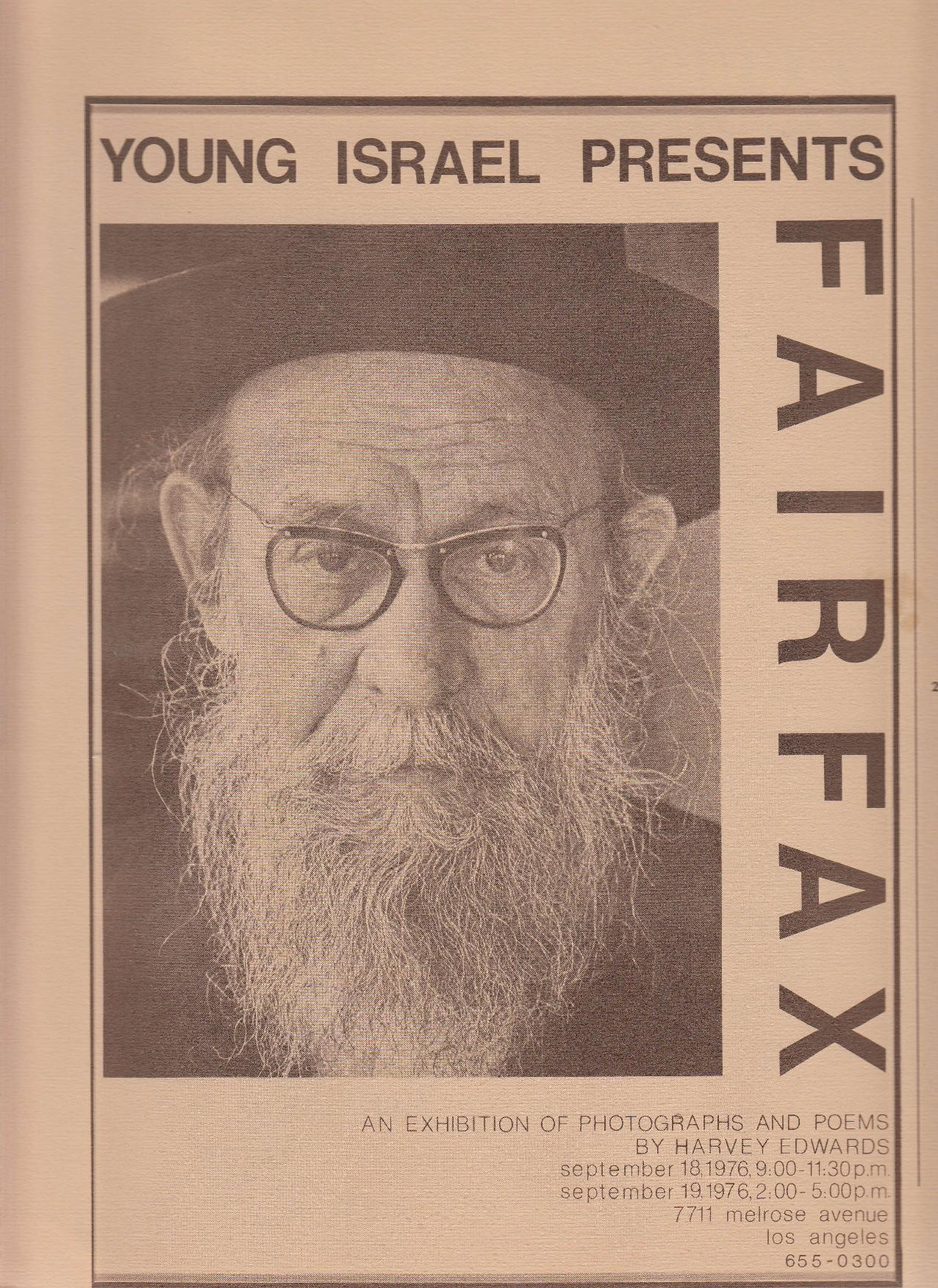
| content | sioc:content | In Search of Fairfax” explores the history of Beverly-Fairfax, a mid-city neighborhood that the Los Angeles Times has described as “the symbolic focus of Jewish life in Los Angeles,” “the city’s cultural ‘Little Israel,’” “the most Jewish stretch of pavement in Los Angeles,” and the “emotional center of Jewish life in Los Angeles.” While consistently boasting the highest concentration of Jewish residents throughout Los Angeles and a plethora of schools, religious institutions, social clubs, and storefronts that chiefly catered to Jews throughout the latter half of the 20th Century, the neighborhood attracted an array of Jewish and non-Jewish micro-communities and subcultures: upwardly mobile Jewish migrants from Chicago and New York City, lower middle class Jews from Boyle Heights, Holocaust survivors, Soviet and Middle Eastern Jewish immigrants, Chabadnics, Vietnamese refugees, middle class African American families, students attending Fairfax High School, as well as counterculture artists and activists. A few caveats about the methodology and the terminology employed throughout. Throughout most of the project, I refer to the neighborhood under consideration as "Beverly-Fairfax," not the "Fairfax District." The reasons for this are historical: the sources that I came across from the 1950s through the 1980s typically refer to the area as the "Beverly-Fairfax" neighborhood. This Google N-Gram chart reinforces this point: during the latter half of the twentieth century, "Beverly-Fairfax" was used with more frequency than "Fairfax District." It was only starting in the 1990s that the term "Fairfax District" began to appear with more frequency. When appropriate, I refer to the neighborhood as the "Fairfax District." (The name of the neighborhood continues to evolve: the Los Angeles Times' recent Mapping L.A. project divides the area under consideration into two -- Fairfax and Beverly Grove.) Also relevant, distinct maps and descriptions provide different boundaries for the Beverly-Fairfax neighborhood. For the purposes of this study, I will use the boundaries that the Vitalize Fairfax project employed--from Wilshire Boulevard north to Santa Monica Boulevard, from La Brea Boulevard to La Cienega Boulevard. For those interested in learning about the different ways in which various sources have defined the borders and boundaries for the Fairfax neighborhood, refer to the Fairfax Maps Resource Guide. |
| default view | scalar:defaultView | plain |
| was attributed to | prov:wasAttributedTo | https://scalar.usc.edu/hc/fairmax-project/users/210 |
| created | dcterms:created | 2018-01-15T19:23:14-08:00 |
| type | rdf:type | http://scalar.usc.edu/2012/01/scalar-ns#Version |
Version 4
| resource | rdf:resource | https://scalar.usc.edu/hc/fairmax-project/about-beverly-fairfax.4 |
| versionnumber | ov:versionnumber | 4 |
| title | dcterms:title | About Beverly-Fairfax |
| content | sioc:content | In Search of Fairfax” explores the history of Beverly-Fairfax, a mid-city neighborhood that the Los Angeles Times has described as “the symbolic focus of Jewish life in Los Angeles,” “the city’s cultural ‘Little Israel,’” “the most Jewish stretch of pavement in Los Angeles,” and the “emotional center of Jewish life in Los Angeles.” While consistently boasting the highest concentration of Jewish residents throughout Los Angeles and a plethora of schools, religious institutions, social clubs, and storefronts that chiefly catered to Jews throughout the latter half of the 20th Century, the neighborhood attracted an array of Jewish and non-Jewish micro-communities and subcultures: upwardly mobile Jewish migrants from Chicago and New York City, lower middle class Jews from Boyle Heights, Holocaust survivors, Soviet and Middle Eastern Jewish immigrants, Chabadnics, Vietnamese refugees, middle class African American families, students attending Fairfax High School, as well as counterculture artists and activists. A few caveats about the methodology and the terminology employed throughout. Throughout most of the project, I refer to the neighborhood under consideration as "Beverly-Fairfax," not the "Fairfax District." The reasons for this are historical: the sources that I came across from the 1950s through the 1980s typically refer to the area as the "Beverly-Fairfax" neighborhood. This Google N-Gram chart reinforces this point: during the latter half of the twentieth century, "Beverly-Fairfax" was used with more frequency than "Fairfax District." It was only starting in the 1990s that the term "Fairfax District" began to appear with more frequency. When appropriate, I refer to the neighborhood as the "Fairfax District." (The name of the neighborhood continues to evolve: the Los Angeles Times' recent Mapping L.A. project divides the area under consideration into two -- Fairfax and Beverly Grove.) Also relevant, distinct maps and descriptions provide different boundaries for the Beverly-Fairfax neighborhood. For the purposes of this study, I will use the boundaries that the Vitalize Fairfax project employed--from Wilshire Boulevard north to Santa Monica Boulevard, from La Brea Boulevard to La Cienega Boulevard. For those interested in learning about the different ways in which various sources have defined the borders and boundaries for the Fairfax neighborhood, refer to the Fairfax Maps Resource Guide. |
| default view | scalar:defaultView | plain |
| was attributed to | prov:wasAttributedTo | https://scalar.usc.edu/hc/fairmax-project/users/210 |
| created | dcterms:created | 2018-01-15T19:22:32-08:00 |
| type | rdf:type | http://scalar.usc.edu/2012/01/scalar-ns#Version |
Version 3
| resource | rdf:resource | https://scalar.usc.edu/hc/fairmax-project/about-beverly-fairfax.3 |
| versionnumber | ov:versionnumber | 3 |
| title | dcterms:title | About Beverly-Fairfax |
| content | sioc:content | In Search of Fairfax” explores the history of Beverly-Fairfax, a mid-city neighborhood that the Los Angeles Times has described as “the symbolic focus of Jewish life in Los Angeles,” “the city’s cultural ‘Little Israel,’” “the most Jewish stretch of pavement in Los Angeles,” and the “emotional center of Jewish life in Los Angeles.” While consistently boasting the highest concentration of Jewish residents throughout Los Angeles and a plethora of schools, religious institutions, social clubs, and storefronts that chiefly catered to Jews throughout the latter half of the 20th Century, the neighborhood attracted an array of Jewish and non-Jewish micro-communities and subcultures: upwardly mobile Jewish migrants from Chicago and New York City, lower middle class Jews from Boyle Heights, Holocaust survivors, Soviet and Middle Eastern Jewish immigrants, Chabadnics, Vietnamese refugees, middle class African American families, students attending Fairfax High School, as well as counterculture artists and activists. A few caveats about the methodology and the terminology employed throughout. Throughout most of the project, I refer to the neighborhood under consideration as "Beverly-Fairfax," not the "Fairfax District." The reasons for this are historical: the sources that I came across from the 1950s through the 1980s typically refer to the area as the "Beverly-Fairfax" neighborhood. This Google N-Gram chart reinforces this point: during the latter half of the twentieth century, "Beverly-Fairfax" was used with more frequency than "Fairfax District." It was only starting in the 1990s that the term "Fairfax District" began to appear with more frequency. When appropriate, I refer to the neighborhood as the "Fairfax District." (The name of the neighborhood continues to evolve: the Los Angeles Times' recent Mapping L.A. project divides the area under consideration into two -- Fairfax and Beverly Grove.) Also relevant, distinct maps and descriptions provide different boundaries for the Beverly-Fairfax neighborhood. For the purposes of this study, I will use the boundaries that the Vitalize Fairfax project employed--from Wilshire Boulevard north to Santa Monica Boulevard, from La Brea Boulevard to La Cienega Boulevard. For those interested in learning about the different ways in which various sources have defined the borders and boundaries for the Fairfax neighborhood, refer to the Fairfax Maps Resource Guide. |
| default view | scalar:defaultView | plain |
| was attributed to | prov:wasAttributedTo | https://scalar.usc.edu/hc/fairmax-project/users/210 |
| created | dcterms:created | 2018-01-15T19:20:46-08:00 |
| type | rdf:type | http://scalar.usc.edu/2012/01/scalar-ns#Version |
Version 2
| resource | rdf:resource | https://scalar.usc.edu/hc/fairmax-project/about-beverly-fairfax.2 |
| versionnumber | ov:versionnumber | 2 |
| title | dcterms:title | About Beverly-Fairfax |
| content | sioc:content | In Search of Fairfax” explores the history of Beverly-Fairfax, a mid-city neighborhood that the Los Angeles Times has described as “the symbolic focus of Jewish life in Los Angeles,” “the city’s cultural ‘Little Israel,’” “the most Jewish stretch of pavement in Los Angeles,” and the “emotional center of Jewish life in Los Angeles.” While consistently boasting the highest concentration of Jewish residents throughout Los Angeles and a plethora of schools, religious institutions, social clubs, and storefronts that chiefly catered to Jews throughout the latter half of the 20th Century, the neighborhood attracted an array of Jewish and non-Jewish micro-communities and subcultures: upwardly mobile Jewish migrants from Chicago and New York City, lower middle class Jews from Boyle Heights, Holocaust survivors, Soviet and Middle Eastern Jewish immigrants, Chabadnics, Vietnamese refugees, middle class African American families, students attending Fairfax High School, as well as counterculture artists and activists. A few caveats about the methodology and the terminology employed throughout. Throughout most of the project, I refer to the neighborhood under consideration as "Beverly-Fairfax," not the "Fairfax District." The reasons for this are historical: the sources that I came across from the 1950s through the 1980s typically refer to the area as the "Beverly-Fairfax" neighborhood. This Google N-Gram chart reinforces this point: during the latter half of the twentieth century, "Beverly-Fairfax" was used with more frequency than "Fairfax District." It was only starting in the 1990s that the term "Fairfax District" began to appear with more frequency. When appropriate, I refer to the neighborhood as the "Fairfax District." (The name of the neighborhood continues to evolve: the Los Angeles Times' recent Mapping L.A. project divides the area under consideration into two -- Fairfax and Beverly Grove.) Also relevant, distinct maps and descriptions provide different boundaries for the Beverly-Fairfax neighborhood. For the purposes of this study, I will use the boundaries that the Vitalize Fairfax project employed--from Wilshire Boulevard north to Santa Monica Boulevard, from La Brea Boulevard to La Cienega Boulevard. For those interested in learning about the different ways in which various sources have defined the borders and boundaries for the Fairfax neighborhood, refer to the Fairfax Maps Resource Guide. |
| default view | scalar:defaultView | plain |
| was attributed to | prov:wasAttributedTo | https://scalar.usc.edu/hc/fairmax-project/users/210 |
| created | dcterms:created | 2018-01-15T19:19:25-08:00 |
| type | rdf:type | http://scalar.usc.edu/2012/01/scalar-ns#Version |
Version 1
| resource | rdf:resource | https://scalar.usc.edu/hc/fairmax-project/about-beverly-fairfax.1 |
| versionnumber | ov:versionnumber | 1 |
| title | dcterms:title | About Beverly-Fairfax |
| content | sioc:content | In Search of Fairfax” explores the history of Beverly-Fairfax, a mid-city neighborhood that the Los Angeles Times has described as “the symbolic focus of Jewish life in Los Angeles,” “the city’s cultural ‘Little Israel,’” “the most Jewish stretch of pavement in Los Angeles,” and the “emotional center of Jewish life in Los Angeles.” While consistently boasting the highest concentration of Jewish residents throughout Los Angeles and a plethora of schools, religious institutions, social clubs, and storefronts that chiefly catered to Jews throughout the latter half of the 20th Century, the neighborhood attracted an array of Jewish and non-Jewish micro-communities and subcultures: upwardly mobile Jewish migrants from Chicago and New York City, lower middle class Jews from Boyle Heights, Holocaust survivors, Soviet and Middle Eastern Jewish immigrants, Chabadnics, Vietnamese refugees, middle class African American families, students attending Fairfax High School, as well as counterculture artists and activists. A few caveats about the methodology and the terminology employed throughout. Throughout most of the project, I refer to the neighborhood under consideration as "Beverly-Fairfax," not the "Fairfax District." The reasons for this are historical: the sources that I came across from the 1950s through the 1980s typically refer to the area as the "Beverly-Fairfax" neighborhood. This Google N-Gram chart reinforces this point: during the latter half of the twentieth century, "Beverly-Fairfax" was used with more frequency than "Fairfax District." It was only starting in the 1990s that the term "Fairfax District" began to appear with more frequency. When appropriate, I refer to the neighborhood as the "Fairfax District." (The name of the neighborhood continues to evolve: the Los Angeles Times' recent Mapping L.A. project divides the area under consideration into two -- Fairfax and Beverly Grove.) Also relevant, distinct maps and descriptions provide different boundaries for the Beverly-Fairfax neighborhood. For the purposes of this study, I will use the boundaries that the Vitalize Fairfax project employed--from Wilshire Boulevard north to Santa Monica Boulevard, from La Brea Boulevard to La Cienega Boulevard. For those interested in learning about the different ways in which various sources have defined the borders and boundaries for the Fairfax neighborhood, refer to the Fairfax Maps Resource Guide. |
| default view | scalar:defaultView | plain |
| was attributed to | prov:wasAttributedTo | https://scalar.usc.edu/hc/fairmax-project/users/210 |
| created | dcterms:created | 2018-01-15T19:14:52-08:00 |
| type | rdf:type | http://scalar.usc.edu/2012/01/scalar-ns#Version |