Introduction, Eisenstein, S., October (1927)
With the film October, we will be watching one of the most famous documentary films of all time made by one of the pioneers of film art, the Russian director Sergei Eisenstein. By the time Eisenstein made October, a re-telling of the story of the revolutionary year of 1917, he had already made some of the most important films of his generation, including Battleship Potemkin and Strike.
From the beginning, Lenin and the Bolsheviks embraced the potential of film as the most important vehicle for disseminating their revolutionary message. In 1922, Lenin ordered that the Bolshevik Party would begin to regulate all film production and distribution. In his decree, he also focused on the films’ message – blending art and propaganda:
The privately owned cinemas should be made to yield a sufficient return to the state in the form of rent, the owners to be allowed to increase the number of films and present new ones subject to censor ship by the Commissariat for Education and provided the proper proportion is maintained between entertainment films and propaganda films coming under the heading of films “From the life of peoples of all countries,” in order that film-makers should have an incentive for producing new pictures. They should be allowed wide initiative within these limits. Pictures of a propaganda and educative nature should be checked by old Marxists and writers, to avoid a repetition of the many sad instances when propaganda with us defeated its own purpose. Special attention should be given to organizing film showings in the villages and in the East, where they are novelties and where our propaganda, therefore, will be all the more effective.
As we can see, Lenin was not a dogmatist when it came to the style of artistic expression. Throughout the 1920s, the Bolsheviks supported wide artistic expression, especially in the realm of the filmic arts. Eisenstein’s use of the montage technique was seen explicitly as a challenge to the more conventional, bourgeois type of narrative cinema emerging from the Hollywood studios. Other filmmakers, including Lev Kuleshov and Dziga Vertov pushed the artistic boundaries of film through montage.
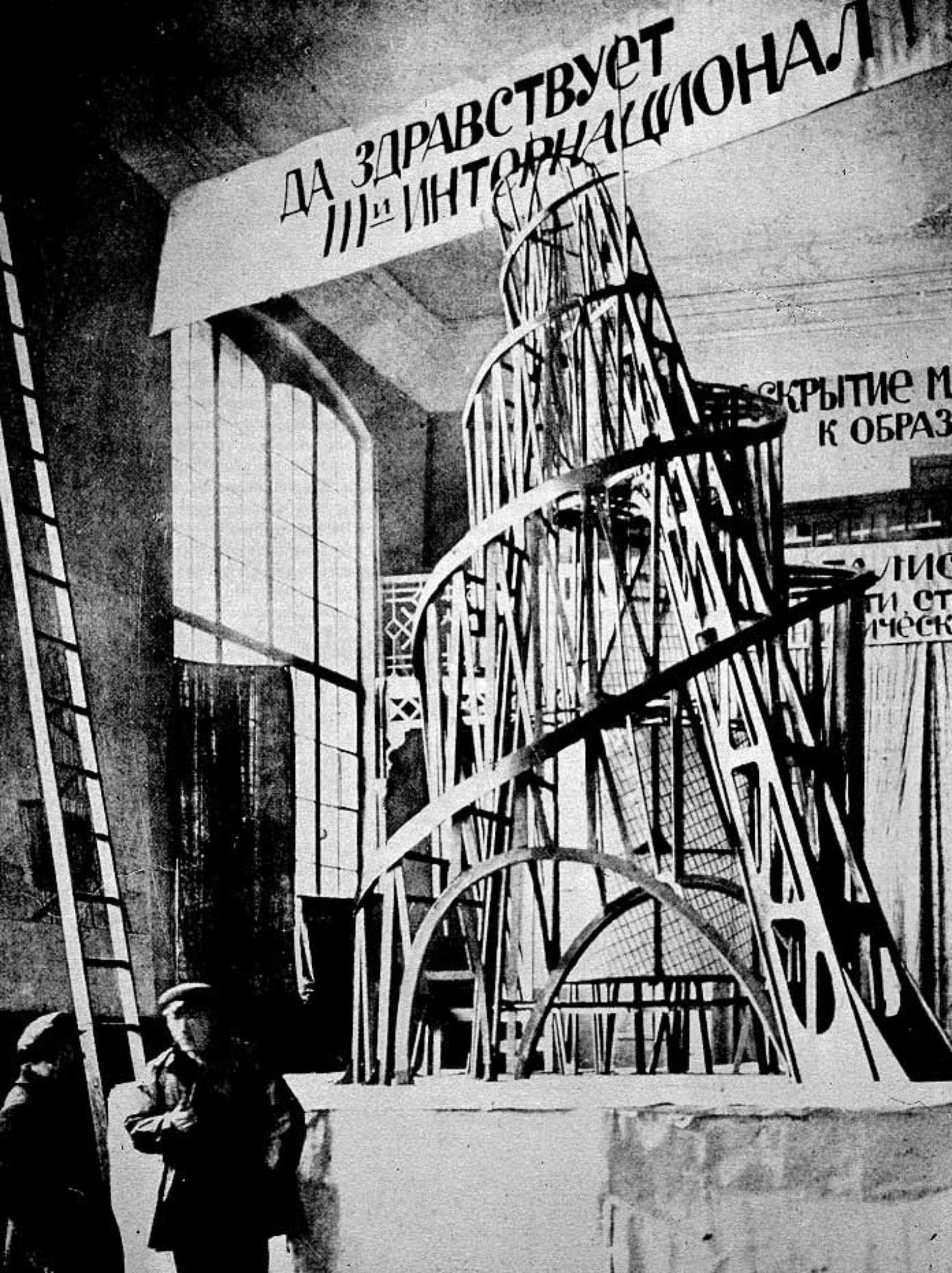
Film was just one of many artistic areas that witnessed an unprecedented explosion of innovation during the early years of Bolshevik rule. Partly a result of relaxed imperial censorship, partly encouraged by the revolutionary leaders, and partly inspired by the optimism of the revolutionary ideology, Russian artistic experiments became some of the more important and enduring of the so-called modernist age. Russian artists, long on the periphery of the Western art world, would suddenly occupy center-stage and act as cultural ambassadors of sorts of the ideals of the revolution. This period of Russian arts began in a symbolic sense with the First Russian Art Exhibition in Berlin, Germany in 1922.

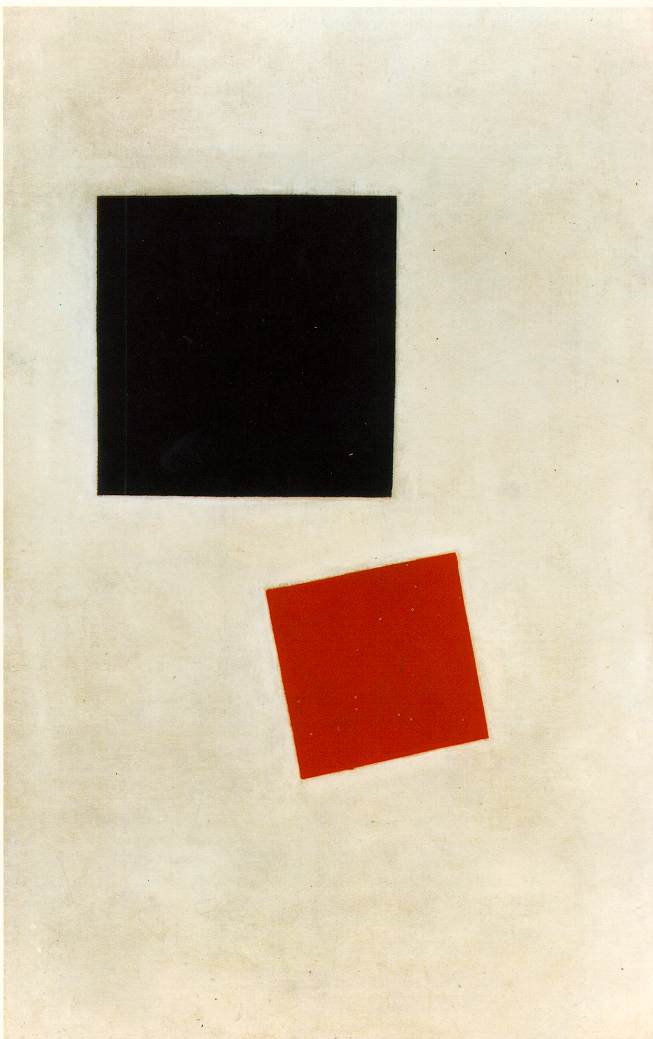
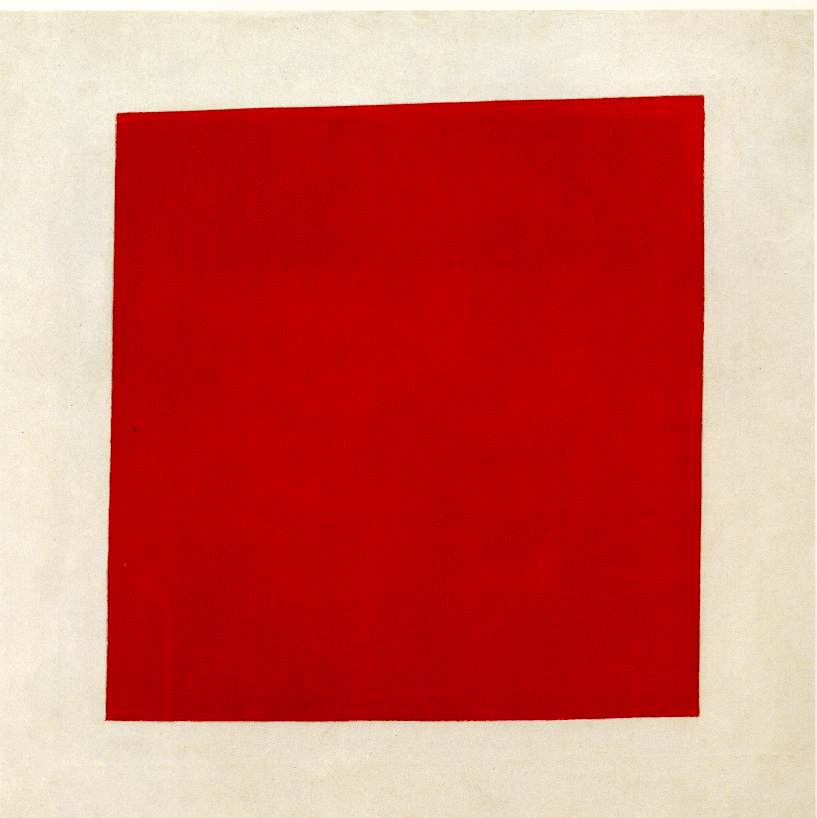
At the heart of the creative explosion of the Russian avant-garde was a break from traditional styles and an embrace of new (often radically new) artistic forms. The general concept behind this movement was formalism, which indicated an emphasis on the way an artistic piece was constructed. Formalism influenced all fields of art in Russia from the later imperial period and into the 1920s. Painting, sculpture, graphic and industrial design, theater, architecture, poetry, literature, and film all took a decisively formalist turn. Formal innovation sought to align with Bolshevik ideology in its glorification of modernity (as opposed to tradition) and its engagement with the industrial world and its logic. Unlike traditional art forms, the Russian avant-garde paid scant attention to the themes of religion and history and avoided the use of allusion or symbolism. The avant-garde also moved away from the focus on realistic portrayals of fictional realities with fictional heroes, viewing such elements as part of the middle class or bourgeois ethos. The period of relative artistic freedom and daring innovation started to fade with the rise of Stalin to power in 1928. By the mid 1930s, Russian art had been incorporated into Stalin’s totalitarian regime with Soviet Realism pushing out all other possible forms of expression. For a review of the relationship between the Soviet state and the arts, see this extraordinary essay by the philosopher and Russian exile Isaiah Berlin, written in 1945.
October, released in 1927 on the tenth anniversary of the Bolshevik Revolution, is still firmly within the optimistic, innovative period of Russian cultural production. As a sign of how times had changed, however, the Soviet authorities and Stalin in particular were deeply unhappy with October, charging that it was inaccessible to the masses and excessively formalist in structure, despite its breathless glorification of the actions and ideals of the revolution.
As you view the film, think about the following questions.
1. What is the tone of the film? Is it hopeful? Tragic? Who are the heroes? Who are the enemies? How are the enemies portrayed? How are the heroes portrayed?2. Describe one montage sequence. What are the emotional points it is trying to make? What are the political arguments it is advancing?
Additional Resources:

Eisenstein, Battleship Potemkin (1925)
Eisenstein, Strike (1925)
This page has paths:
- Primary Sources Seth Rogoff
- The Long Russian Revolution (1917 – 1929) Seth Rogoff