Importance of India to the British Empire
4
split
2013-08-14T10:47:35-07:00
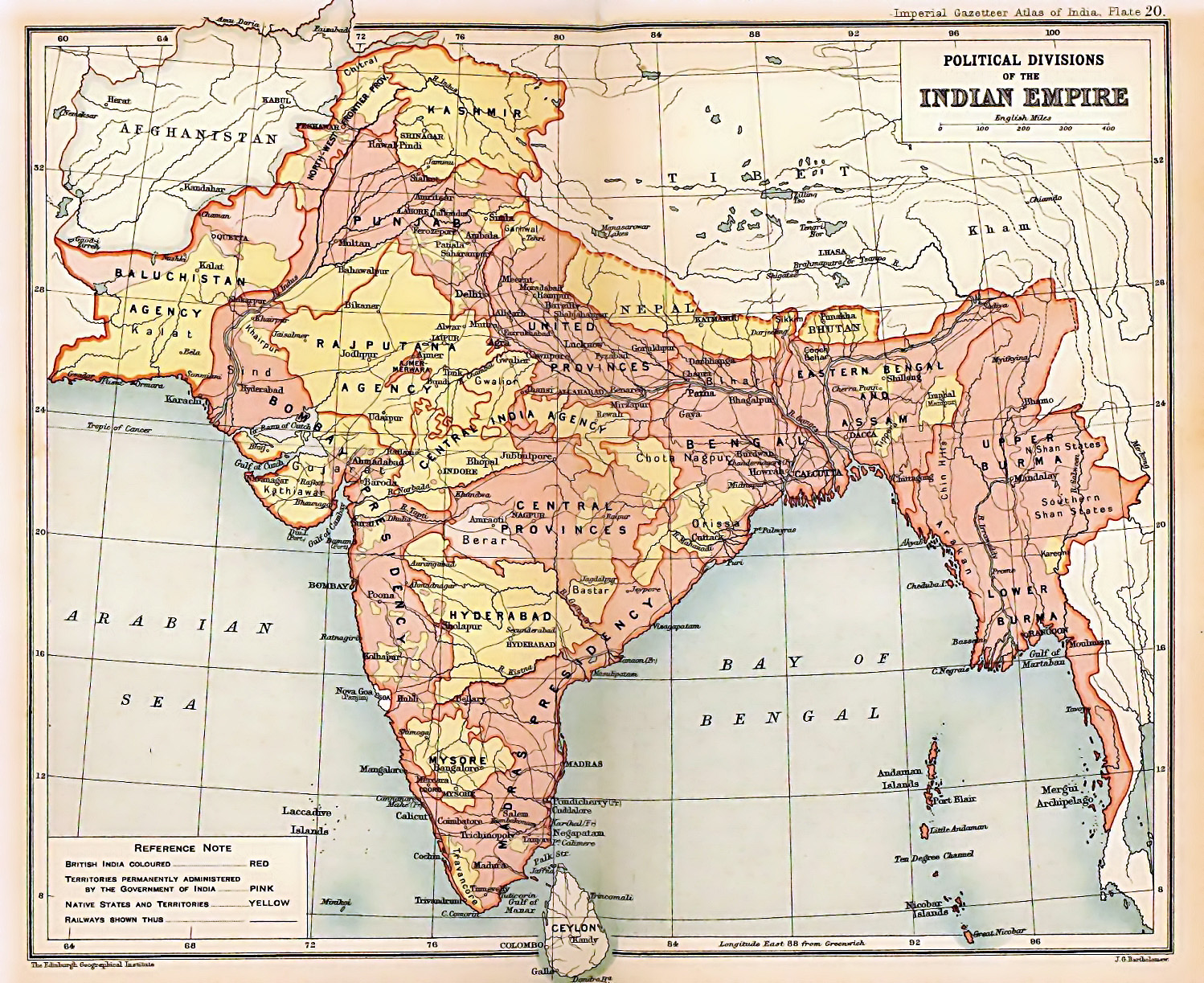
Why was India so important to Britain? One answer to this is psychological – India, as we see from the viceroy’s statement above, was perceived as the key colonial possession of the British Empire. Its loss would have meant that the integrity of the entire colonial structure was threatened and that Britain’s prestige as the dominant world power was crumbling. There were also important economic reasons why India was the key to holding together the British Empire. By the middle of the nineteenth century, Britain was principally an exporter of manufactured goods and an investor of surplus capital. Two things had to happen for an export country like Britain to thrive. The first is a steady flow of relatively cheap raw materials. The British Empire had this with everything imaginable flowing in from all around the world, including wheat and timber from Canada, wool from Australia, cotton from the United States, Egypt and India, sugar from the Caribbean -- just to name a few. In sum, 20% of British imports came from the parts of the overseas empire – a figure that would be much higher if we also considered the imports from South America and the United States. These raw materials were processed in Britain. As we all know, processed materials acquire a much greater value than raw materials. The second thing Britain needed was a market for their finished goods. Overall, the empire consumed some 30% of British goods -- a figure that would be constantly expanding throughout the nineteenth century, allowing Britain to invest and reinvest money in foreign economies. India was the key to this economic picture. The money to defend the empire came largely from taxes imposed on the 300 million Indians. A huge number of Indian troops - some 40,000 by mid-century - wore the British military uniform and could be dispatched to British territories in the region. Additionally, important cash crops like opium could be cultivated in India and then exported to China, where the drug trade, backed up by British naval power, would eventually reverse the centuries-old trade imbalance with the Chinese Qing Dynasty. Without India, Britain would not have been able to maintain, defend or grow the empire. It would have been a financial and military impossibility.
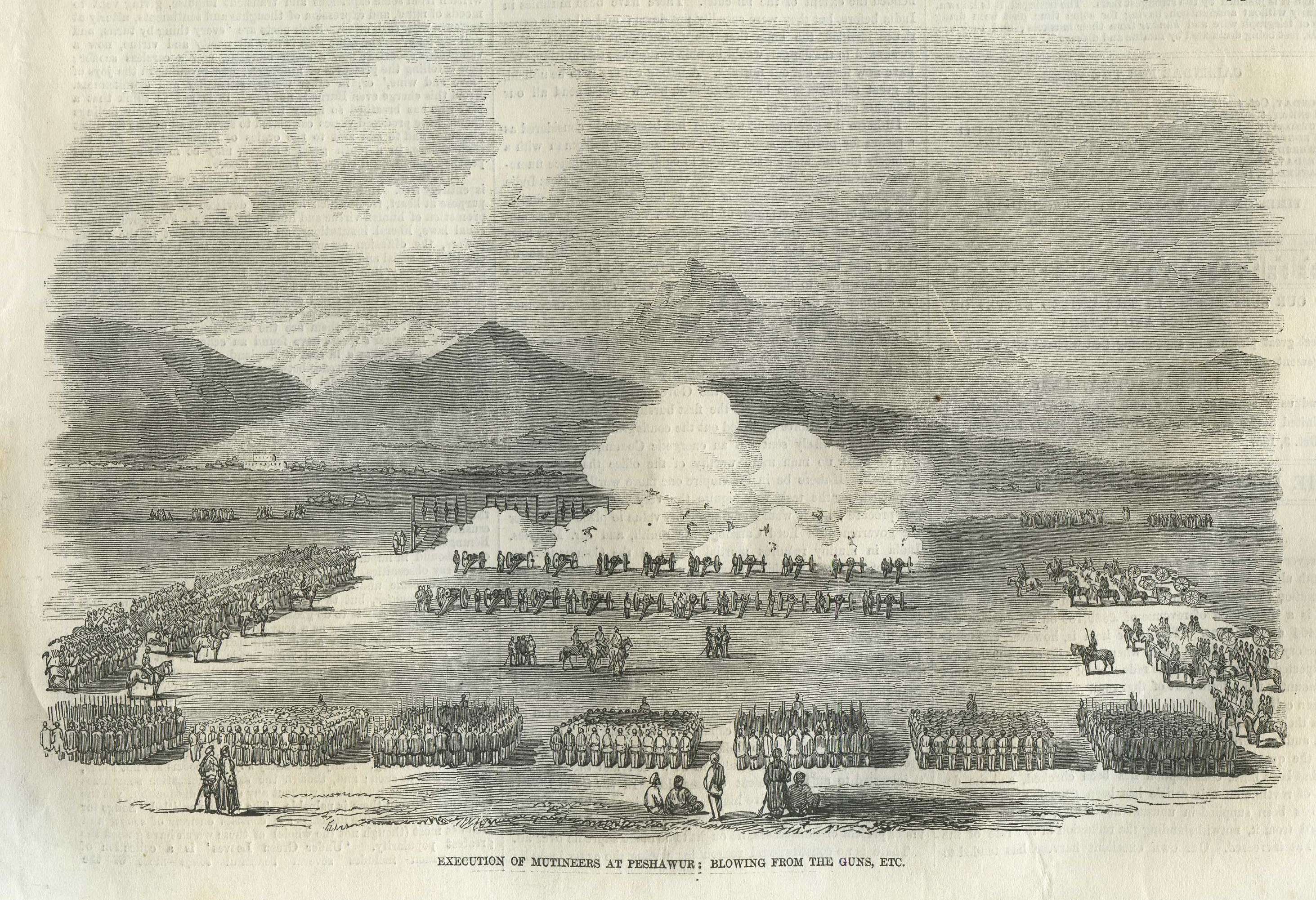
For about a century, India was under the direct control not of the British government but of a private corporation known as the East India Company. This charged in the mid-19th century following a revolt of Indian British soldiers or sepoys, who had become disenchanted with their treatment by East India Company officials. Between 1857 and 1859, the sepoys rose up throughout northern India and attempted to shake off Company rule. This was a wake-up call to the British government – a clear sign that the East India Company did not have the vision or tools necessary to effectively rule such a vast empire. As a result, the British government itself took over direct rule of India. This period of direct government rule in India began in 1858 and is known as the British Raj. The British Raj was administered by an elite core of civil servants, who came from England after passing a rigorous civil service examination. This Indian Civil Service (ICS) had at any one time 900 men serving in India -- a miniscule number relative to the massive Indian population.
Additional Resources: