Britain’s Global Empire
30
split
2015-05-31T00:29:57-07:00
At the same time as the British government began organizing direct control over India, other British colonial possessions were growing quickly. Discovery of gold in Australia and South Africa, for example, drove huge increases in these British settlements, often producing conflict. In South Africa, British settlement brought conflict with the earlier Dutch settlers, known as Boers or Afrikaners, who, in order to escape British rule, trekked north and established the colonies of the Transvaal and the Orange Free State. In Australia, the rising number of Europeans – from around 430,000 in 1851 to over one million a decade later – meant increasing conflict with Native Australians, the Aborigines. The results of British settlement in Australia for native peoples mirrored that of early American settlement. It is estimated that some 750,000 Aborigines inhabited Australia before British contact. By 1900, a combination of Old World disease (mainly smallpox) and settler violence reduced the number of Aborigines to 93,000. In nearby New Zealand, the results were similar. Discovery of raw materials led to a wave of immigration. From 1845 to 1872, British settlers fought a series of protracted wars against the native New Zealand Maori peoples, eventually conquering nearly all territory on the islands. By the end of the century, an estimated 95% of New Zealand’s land was European owned. By the late nineteenth century, the British had a firm hold on huge swathes of territory throughout Asia and the Pacific. A transportation revolution -- the use of large-cargo ships and the railroad -- meant that goods could flow from these territories to the home country and that finished products could move in the reverse direction. The invention and spread of the telegraph likewise contributed to tying together Britain’s far-flung empire.
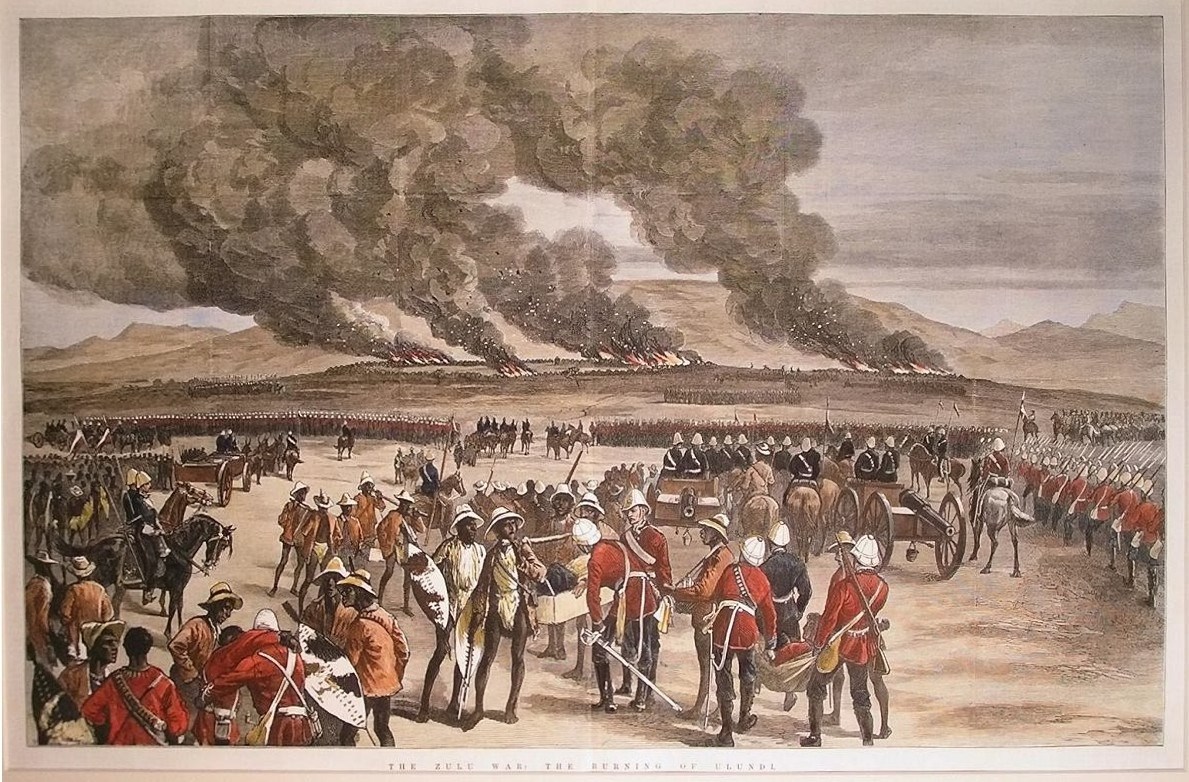
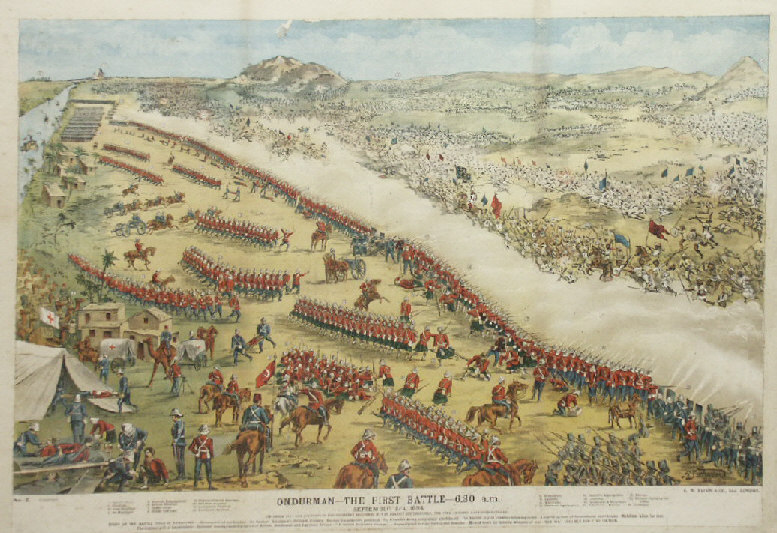
We now have some basic idea of the extent and importance of the British Empire before the First World War, and especially of India, the most lucrative of Britain’s territories. The British Empire spread far and wide, and wherever it spread it meant confrontation with native peoples - Aborigines in Australia, Maoris in New Zealand, Zulus in South Africa, Bengalis in the Indian province of Bengal, Gujaratis in Indian Gujarat, Egyptians, Africans along the continent’s west coast. The economic history of these imperialist conquests tells the story of wealth accumulation in Britain and the concomitant destruction of traditional modes of agriculture and manufacturing throughout the world. The British imposition of taxes on its conquered subjects was one main agent of this social transformation. To get money to pay the British taxes, subjects from India to Africa were forced to give up their traditional practices and to accommodate themselves to the reality of the British economic world. This often meant working for wages on large-scale plantations, in mines, or in large-scale capital-intensive projects like railroad construction. Kinship and tribal networks suffered devastating blows.
Additional Resources: