Thanks for your patience during our recent outage at scalar.usc.edu. While Scalar content is loading normally now, saving is still slow, and Scalar's 'additional metadata' features have been disabled, which may interfere with features like timelines and maps that depend on metadata. This also means that saving a page or media item will remove its additional metadata. If this occurs, you can use the 'All versions' link at the bottom of the page to restore the earlier version. We are continuing to troubleshoot, and will provide further updates as needed. Note that this only affects Scalar projects at scalar.usc.edu, and not those hosted elsewhere.
Zoonotic Diseases in Latin AmericaMain MenuHomeWhat Are Zoonotic Diseases?Bacterial Zoonotic DiseasesParasitic Zoonotic DiseasesViral Zoonotic DiseasesDiscussionAbout MeSourcesCassandra Brownffa523f1664671d0efd4bb21d1b72e99ee866a96
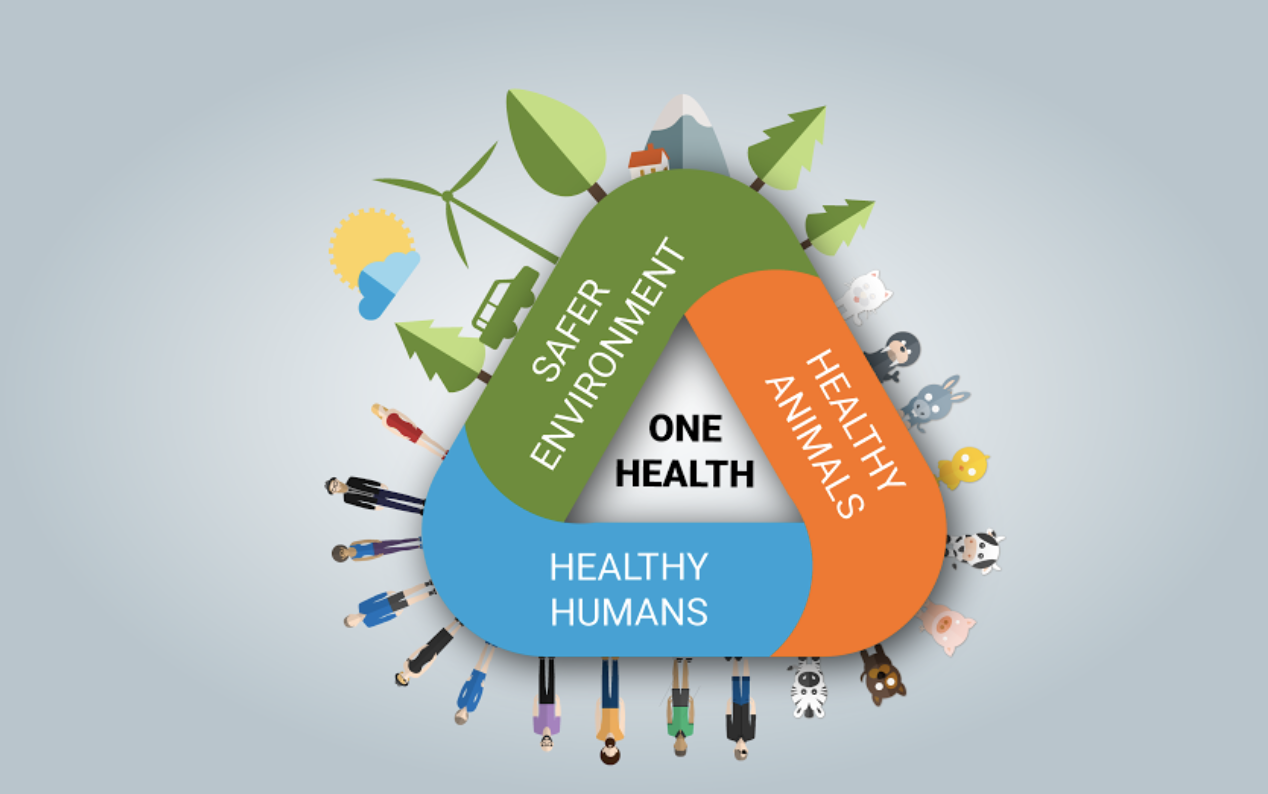
One Health
12019-07-23T07:00:50-07:00Cassandra Brownffa523f1664671d0efd4bb21d1b72e99ee866a96345852One Health Initiativeplain2019-07-23T17:36:25-07:00Cassandra Brownffa523f1664671d0efd4bb21d1b72e99ee866a96
This page is referenced by:
12019-07-22T12:30:11-07:00Bacterial Zoonotic Diseases17plain2019-07-23T19:17:12-07:00 As stated previously, a zoonotic disease is a disease that is passed between human and animal. A bacterial zoonotic disease is an infectious disease caused by bacterial pathogens. Bacterial zoonotic diseases encompass a large majority of all zoonotic diseases. They are often transferred through animal bites, open wounds, food contamination or water contamination. Through the misuse of antibiotics, bacterial zoonotic diseases often reemerge after having been eradicated due to antibiotic resistance. Bacterial zoonotic diseases represent the importance of One Health, an initiative that emphasizes the connection between environmental, human and animal health.