Silver Halsring
This silver neck ring, or halsring, found in Sør-Trøndelag, Norway, is composed of intricately woven threads of metal. It spans 16 centimeters at its widest, and weighs 550 grams.1 A piece of jewelry such as this would have been worn by the wife of a Norse man as a symbol of his wealth and status. According to Ahmad ibn Fadlan, a Muslim diplomat who encountered “Viking” merchants in the tenth century, for every 10,000 dirhams a man owned, his wife was allowed another ring around her neck.2 This display of riches characterized the social norm of bragging about wealth in Norse culture, where modesty seemed to have been unheard of.
There are two very different values associated with this necklace- on the one hand, it represents 10,000 dirhams, while on the other, it is worth much less materially. The Arabic dirham, a well-known currency in tenth century Scandinavia, is comprised of about 2.97 grams of silver.3 This silver neck ring weighs in at 550 grams, making it worth only about 185 dirhams in raw materials. Even taking into account the crafting fee, it still likely would not have exceeded 300 dirhams in value. Thus this object is worth 10,000 dirhams from a cultural context and only around 300 physically.
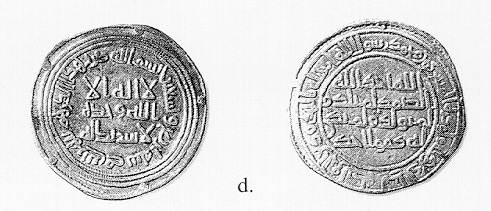
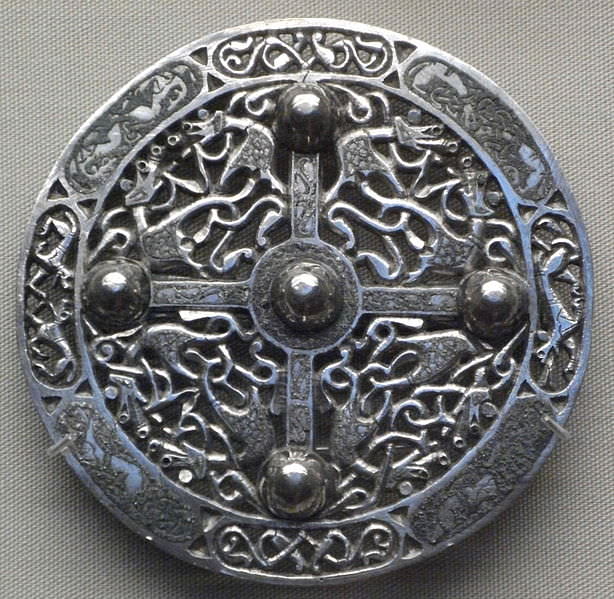
This huge monetary discrepancy is significant for its implication that this object is considered a symbol of status far more than a piece of jewelry. While beautiful, its purpose as adornment was not solely to please the eyes. A similarity can be drawn between these neck rings and the many elegant brooches worn at the time, which also held meaning beyond the material. Jane Kershaw argues that women within the Danelaw likely wore brooches to express their Scandinavian cultural affiliation and identity.4 Both the brooches and neck rings show that Norse women wore jewelry to promote more than just a superficial image.
| Previous page on path | Madeline Cosgriff, page 3 of 4 | Next page on path |
Discussion of "Silver Halsring"
Add your voice to this discussion.
Checking your signed in status ...