Petroleum, Refineries, and the FutureMain MenuAppreciating Oil Refinery ScienceBy Shailesh ThapaExploring Pollution and the Environmental Impacts Associated with Petroleum RefiningBy Bailey KlauseDisaster Risks and What Refineries Can do to Best PrepareBy Nick SteinhoferThe (In)visible Violence of Petroleum RefineriesBy Klara BeinhornGlobal Environmental Justice: Holding Oil Refineries ResponsibleBy Sam HermannHealth, Petroleum Refineries, and the FutureBy: Jake RamesContributorsOil Boom Inquiry 2017Jonathan Steinwandc8ac305627e647489509eb85de97dd9cc5413a58
Environmental Injustice of Petroleum Refineries
12017-12-01T10:54:09-08:00Klara Beinhornc060574480f918c78093f5a48ae976084fc06ec22704910By Klara Beinhornplain5650882017-12-06T18:38:35-08:00Klara Beinhornc060574480f918c78093f5a48ae976084fc06ec2Petroleum refineries are causing environmental injustice due to the location in which they are placed. The neighborhoods in which refineries reside generally are those of high minority and/or low-income populations causing a disproportionate effect of the environmental implications. Author of Lifeblood: Oil, Freedom, and the Forces of Capital, Matthew T. Huber describes refineries as “expansive industrial geographies that not only consume vast amounts of space, energy, and water but also contain risks of spills, fires, and explosions” (68). The United States oil refinery capacity is greater than any other country. The next country behind the U.S. is China with about one third capacity of the U.S. (70). The inequality of who absorbs the impact of refineries leads to environmental injustice. As consumers of oil, society needs to recognize the unequal distribution of implications.
Works Cited
Huber, Matthew T., Lifebloood: Oil, Freedom, and the Forces of Capital. Minneapolis: University of Minnesota Press, 2013.
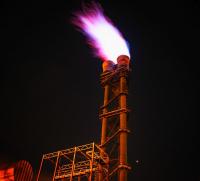
12017-12-06T06:48:45-08:00Dangerous Hot Fire Burn Torch Flaring Flame Gas1Photo by UNICEF. Creative Commons License Zero - CC0. Available at http://maxpixel.freegreatpicture.com/Dangerous-Hot-Fire-Burn-Torch-Flaring-Flame-Gas-1980292.media/maxpixel.freegreatpicture.com-Dangerous-Hot-Fire-Burn-Torch-Flaring-Flame-Gas-1980292.jpgplain2017-12-06T06:48:45-08:00MaxPixel's contributorsDangerous Hot Fire Burn Torch Flaring Flame GasCopyright by MaxPixelDangerous Hot Fire Burn Torch Flaring Flame GasFire,Flame,Torch,Flaring,Burn,Hot,Dangerous,Gas,Refinery,Steel Mill,Industry,Factory,Glowing,Night,Pipes,MaxPixel,FreeGreatPicture.comGreat photo on MaxPixelDangerous Hot Fire Burn Torch Flaring Flame Gas