GLOBALIZATION OF POPULAR MUSIC OF THE ARAB WORLD
EGYPT
Abdel Halim Hafez sings "Ya Alby Ya Khaly" by Mohammed Wahab, the "father of modern Egyptian song." Wahab introduced harmony and Western instruments such as saxophone and electric guitar into popular Arab music, as well as rhythms from American rock & roll.
Amr Diab is the best-selling Arabic singer ever. Born in Egypt in 1961, he became popular among the young urban populations of the Middle East and Mediterranean in the 1980s. In much of his music he blends Egyptian and Western instruments and styles. "Habibi ya nour el ain" combines Arabic lyrics and the rhythms of Arab music with Spanish guitar and French accordion. Also in the video are frame drums (dafs) of the Middle East and North Africa.
As the 1970s waned so did the style of music pioneered by Wahab. Shaabi, a working-class form of music, became popular in Cairo in the 1970s. The word literally means "music of the people." The music of the great singers of the previous decades became known as tarab, the music of feelings. Shaabi was now the new music, the music of the street, distributed on pirated tapes and CDs. The genre used political commentary and humor to express the difficulties and frustrations of modern Egyptian life. The genre sounded new because Shaabi had absorbed then-current American popular musical sounds and styles and mixed them with Egyptian pop. Growing out of shabbi was mahraganat (lit. "festivals") the independent underground music of working class Cairo youth using mixing apps and beats found on the web. Heavy auto-tuning, fast tempos and simple rhythms combined with lyrics often tackling political and social issues appealed to the many young people of Egypt in the years following the Spring Revolution.
Mahraganat has become a wildly popular musical genre appealing to youth of all classes. But in 2020 the powerful state-affiliated Egyptian Musicians Syndicate banned all mahraganat performances, deeming the lyrics immoral and the music itself as "trash."
This kind of music which relies on sexual references and inappropriate words is refused," Shaker, head of the EMS said in 2020. "We want a decent [popular music scene]. We will listen to every song as well as the Central Censorship of Works of Art (CACWA), and then we will decide whether this song will pass or not. [Adham Youssef, BBC, June 2021]
Egyptian authorities meddling in popular musical culture is not new. In the late 1990s Egyptian religious hardliners and the press initiated a smear campaign against metal and rock , falsely claiming that rock events were occasions for Satanism, blood-drinking, and orgies. Rock musicians were arrested and panic ensured, with fans destroying cassettes of rock and metal music. A similar crackdown took place in Morocco in 2003 when middle-class headbangers tried to organize a music festival. Police dragged them from their homes and charged them with wooing young Moroccans into Satanism, with a bonus count of promoting prostitution. Rock music is not overtly banned in Egypt today, but alternative and underground genres face ongoing indirect suppression, heavy bureaucratic hurdles, and occasional crackdowns
MOROCCO
Times have changed in Morocco. The state now sponsors L'Boulevard, a premier urban and alternative music festival that began in 1999 in Casablanca. L'Boulevard aims to underground talent from the MENA region with competitions in which emerging bands in rap/hip hop , fusion and world music, and rock/metal perform live.
Saad Lamjarred (Arabic: سعد لمجرد; born 7 April 1985) is a Moroccan singer-songwriter, actor, multi-instrumentalist, dancer, and record producer. His official music video for "LM3ALLEM" has received over 1 billion views on YouTube . . . Lamjarred moved to the US in 2001 and cites this as one of the main sources of inspiration for his music, crediting the experience for exposing him to western music and having a defining effect on his style and the type of artist he wanted to identify as. [https://en.wikipedia.org/wiki/Saad_Lamjarred]
Lamjarred's career has undergone several setbacks due to multiple rape allegations, prison sentences, and protests.
LEBANON
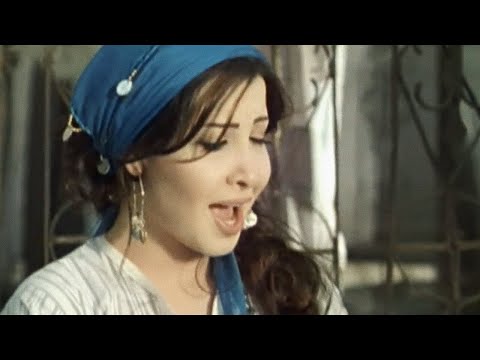
Nancy Ajram (b. 1983) is a multi-platinum Lebanese singer and Goodwill Ambassador for UNICEF. By 2007, Ajram had sold over 30 million records, ranking third best selling female artist in Lebanese history. With more than one million subscribers, Nancy's official facebook page is now the most subscribed Arab artist page on Facebook. She is the first Arab who has reached this number.
ROCK IN THE ARAB WORLD
Rock in theLydia Canaan of Lebanese singer-songwriter, the first "rock star" of the Middle East, the first internationally successful Lebanese recording artist, first Middle Eastern artist to sing in entirely in English, and the first to have music videos shown on MTVMiddle East and other MTV channels . "Her musical debut was described as having defied tradition, challenged convention, and transcended millennia-old gender barriers." Canaan was catalogued in the Rock and Roll Hall of Fame in 2015. Canaan is also a civil rights advocate who has spoken frequently before the UN Human Rights Commission. She has been involved in humanitarian causes and charity work throughout her adult life. [Wikipedia]
This page has paths:
- MUSIC OF THE ARAB WORLD AND ARAB AMERICANS Marc Thorman
This page references:
- (يا قلبى يا خالى - عبد الحليم حافظ - (بالالوان Ya Alby Ya Khaly - Abdel Halim Hafez. Composer: Mohammed Abdel Wahab. Lyrics: Hussein al-Sayed
- Saad Lamjarred - LM3ALLEM | (سعد لمجرد - لمعلم (فيديو كليب حصري
- Nancy Ajram - Ah W Noss / نانسي عجرم - اه و نص
- Abdel Halim Hafez (1929 – 1977)
- Lydia Canaan - Hey Richie
- Amr Diab - Nour El Ein عمرو دياب - نور العين